Manali: Beyond the Mall Road
By 2050 XP · · 2 min read
Photograph: Aditya Chache
Manali is often reduced to a few familiar images: traffic on Mall Road, cafés filled with backpackers, and snow-covered viewpoints crowded with tourists.
But the real Manali begins when you leave the center behind.
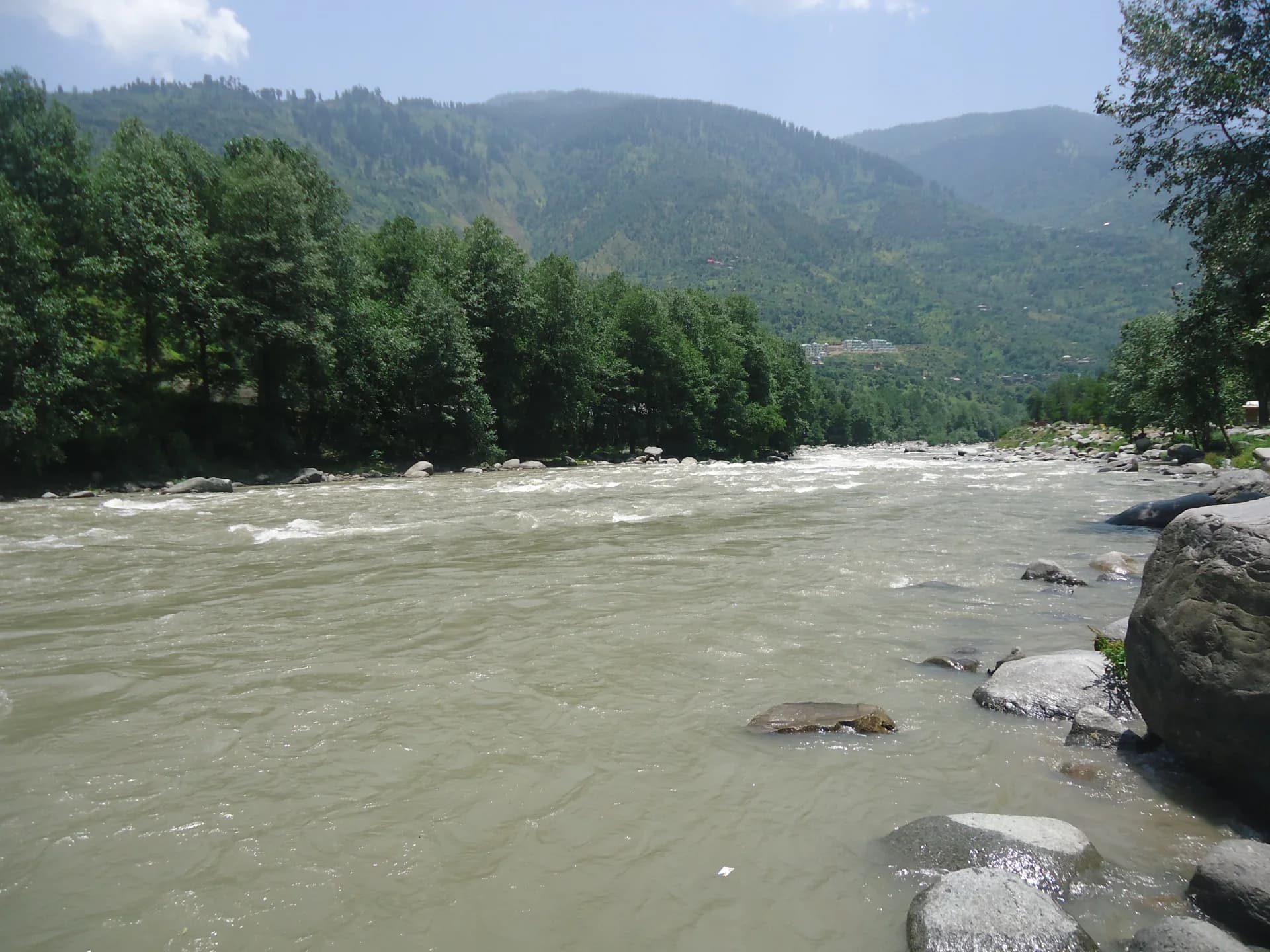
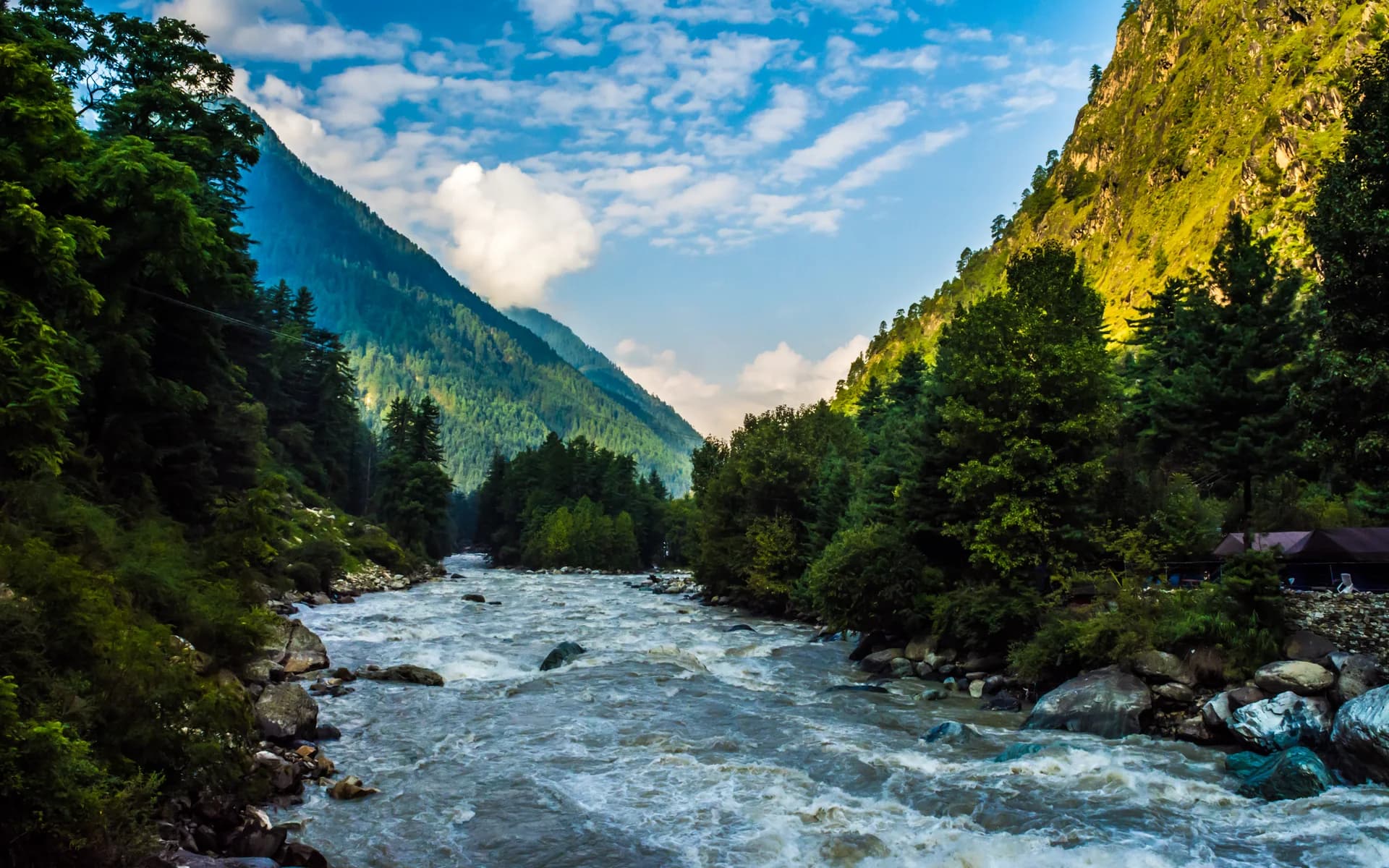
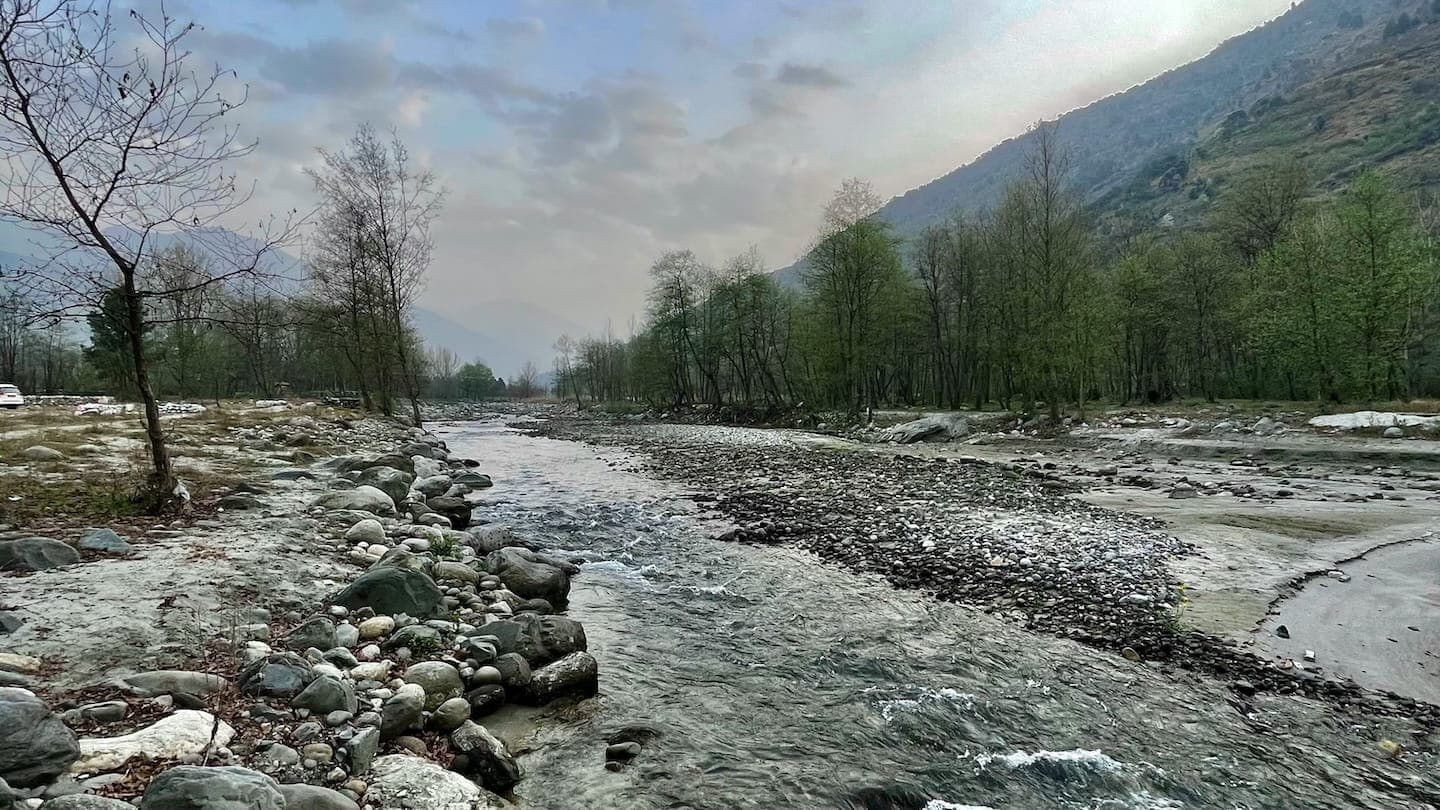
Wake up before sunrise and walk towards the Beas River. The town is still asleep. The sound of rushing water replaces the noise of traffic, and the first light slowly reaches the upper slopes above the valley.
The mountains feel closer in the morning.
A Town Between Forest and River
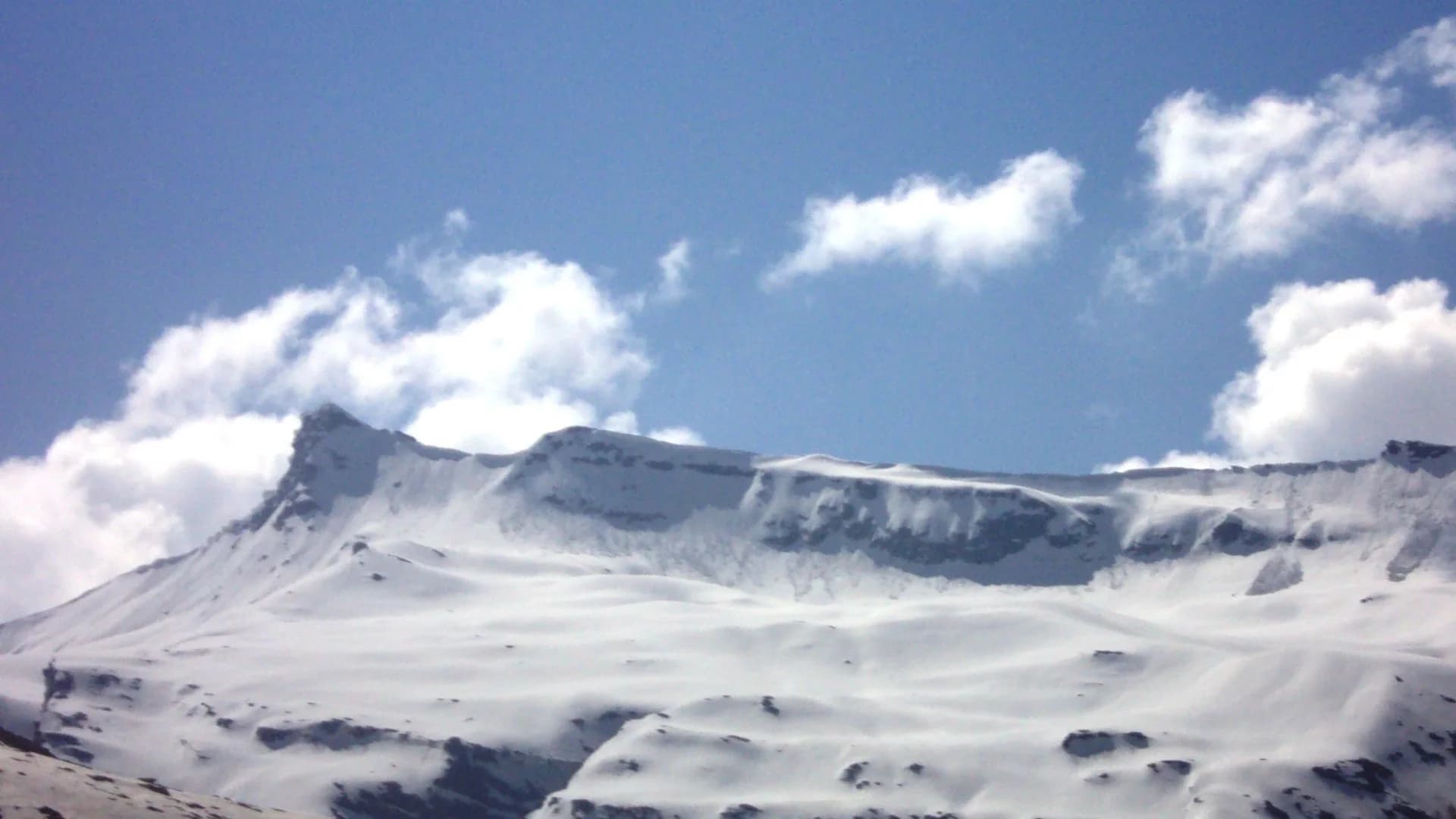
Unlike many Himalayan destinations, Manali boasts two distinct landscapes. At its heart flows the Beas River, nourished by glaciers high in the Pir Panjal range. Surrounding it are centuries-old dense cedar forests.
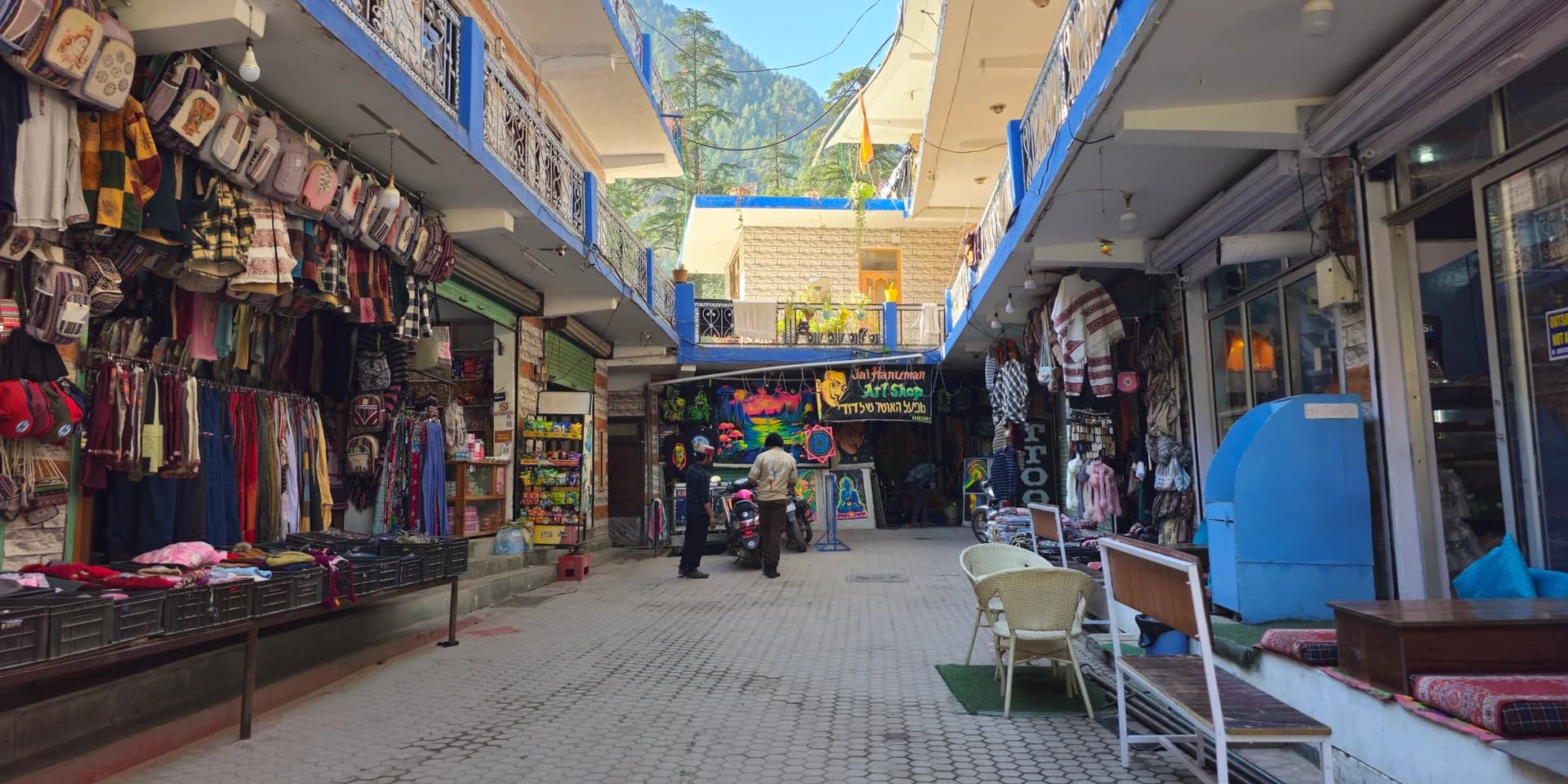
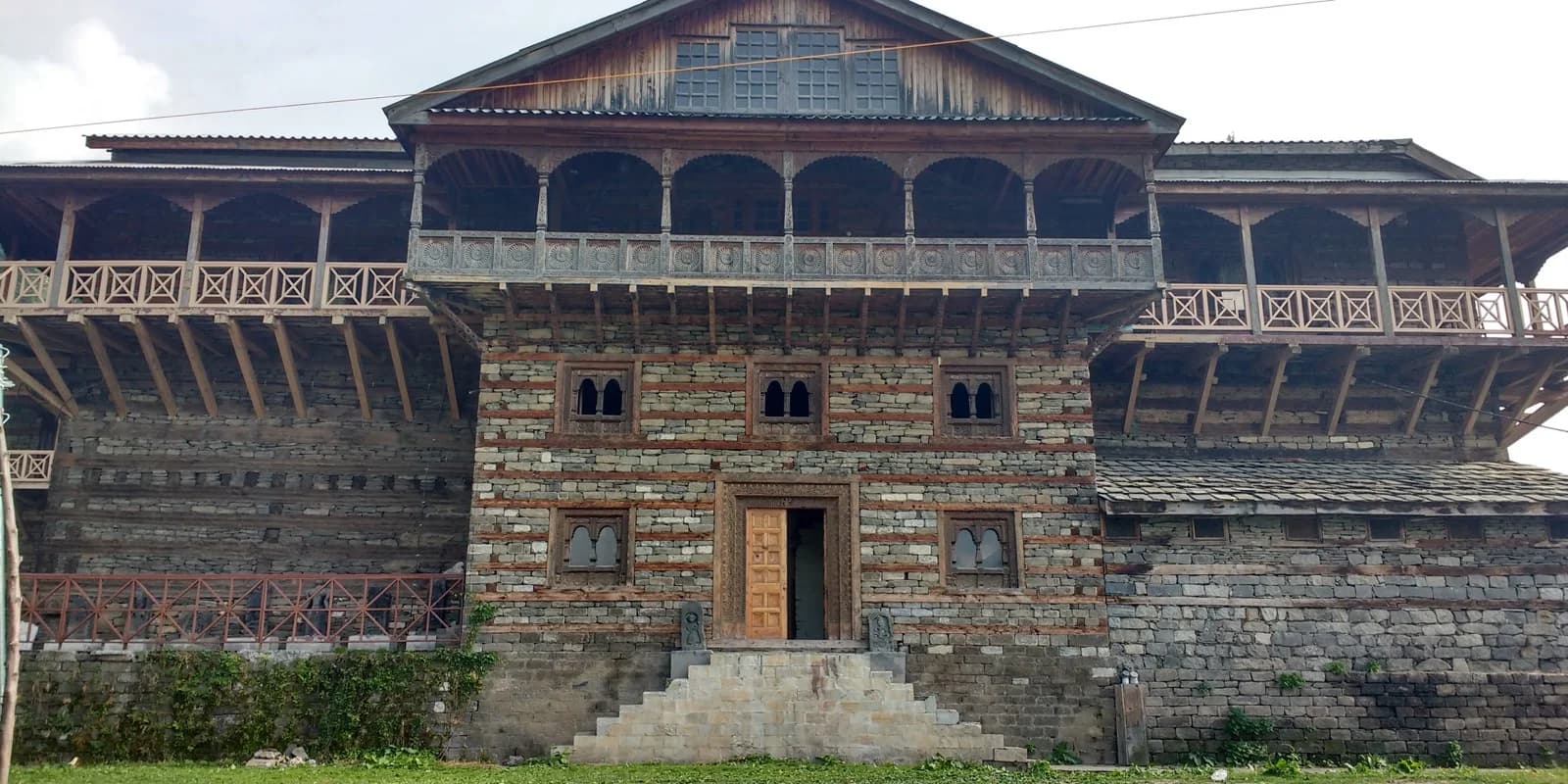
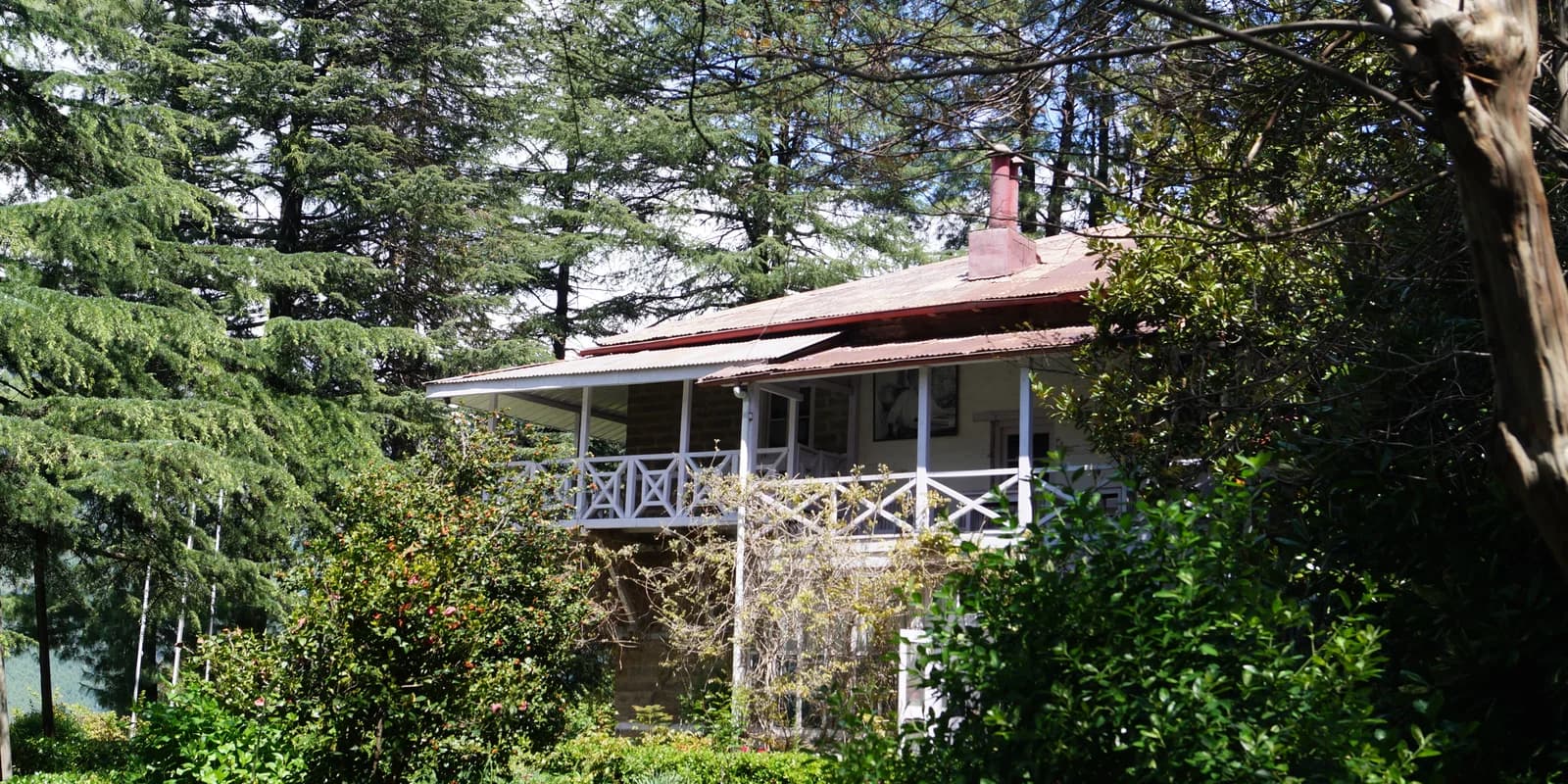
While many visitors remain confined to the bustling streets, a walk across the Manalsu into Old Manali reveals a different atmosphere. Narrow lanes wind between wooden homes apple orchards and quaint cafés overlooking the valley. Here the pace noticeably slows down.
The Forest Above Old Manali
One of the simplest experiences in Manali is also one of the most rewarding.
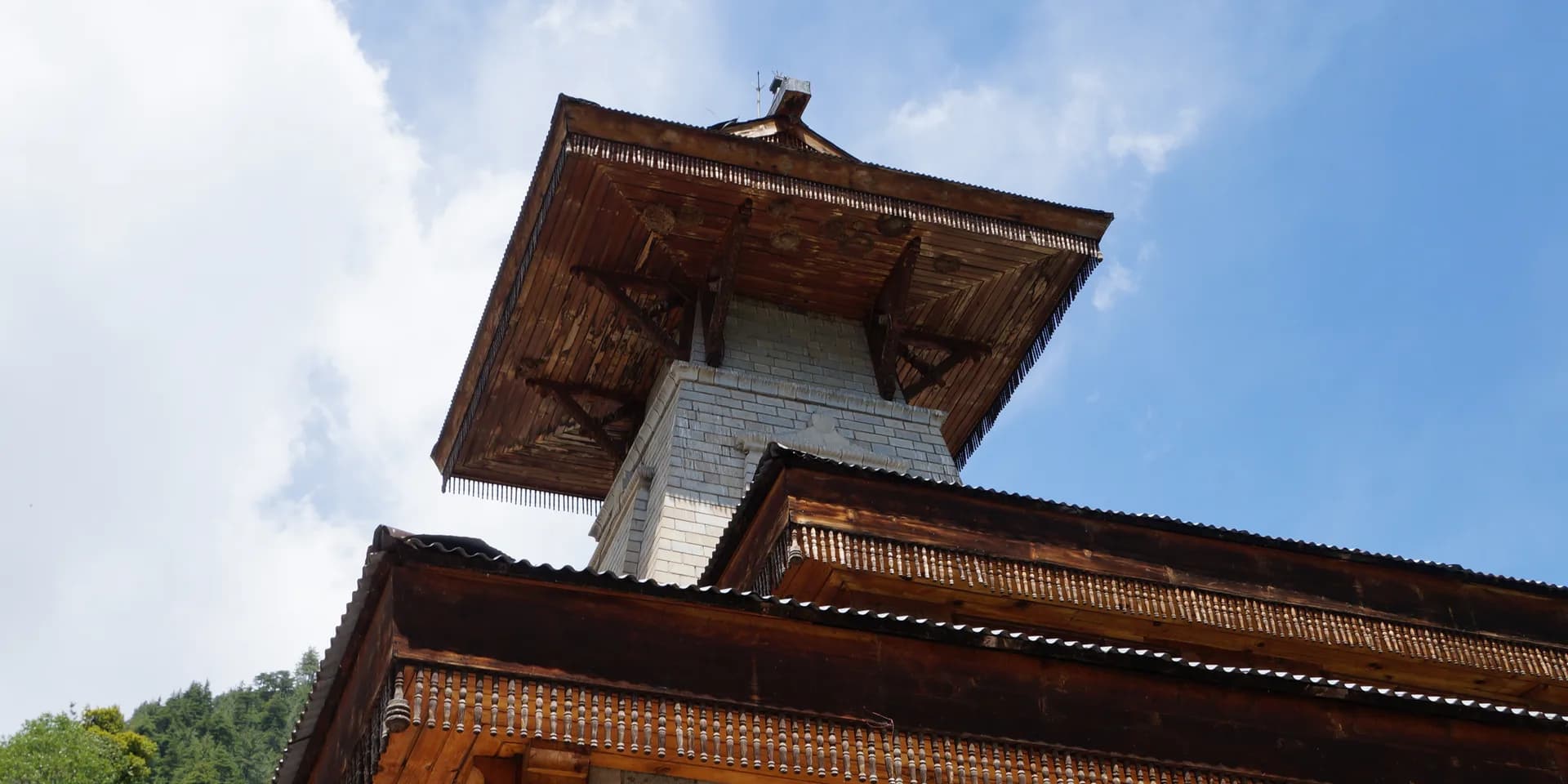
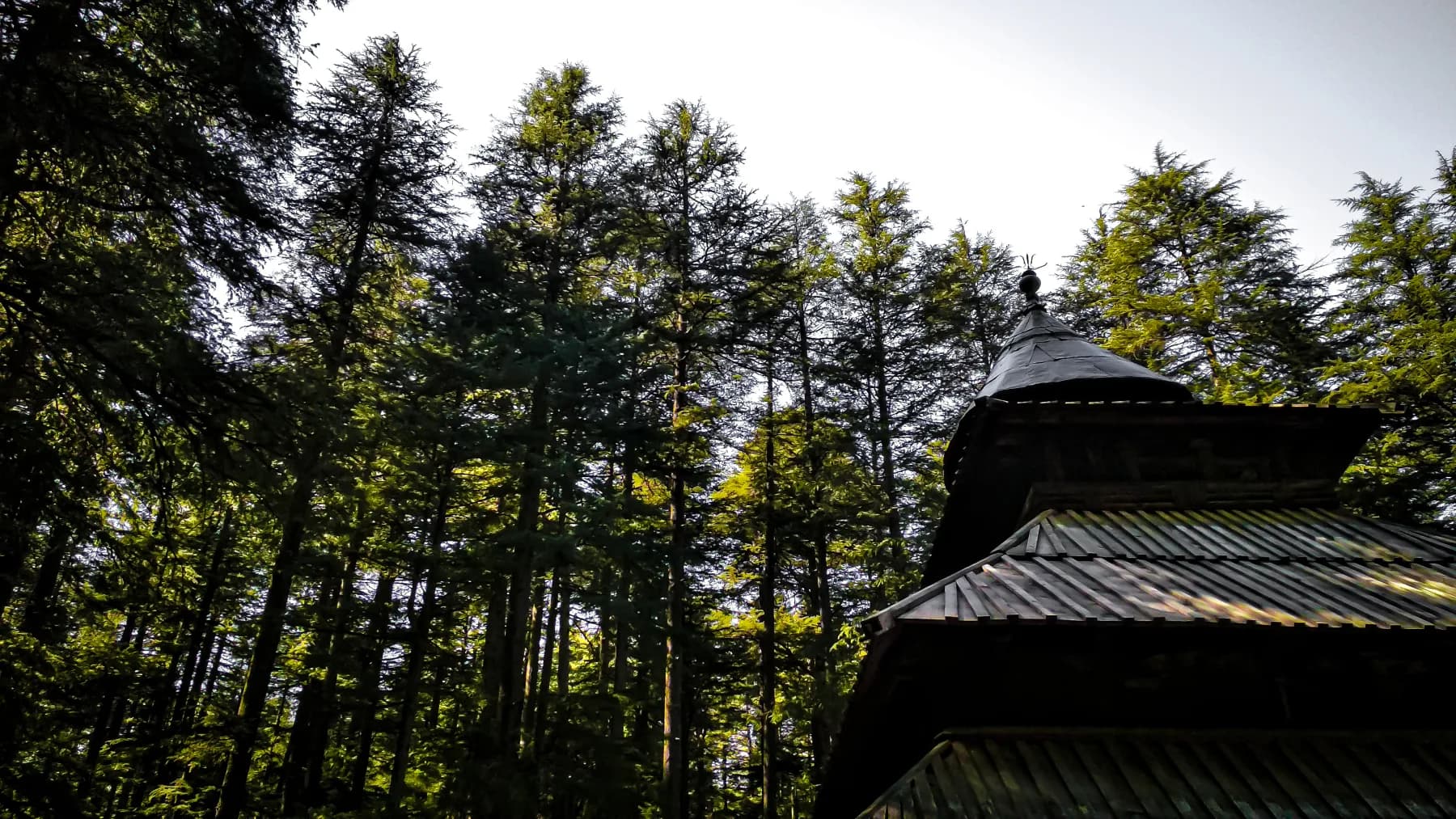
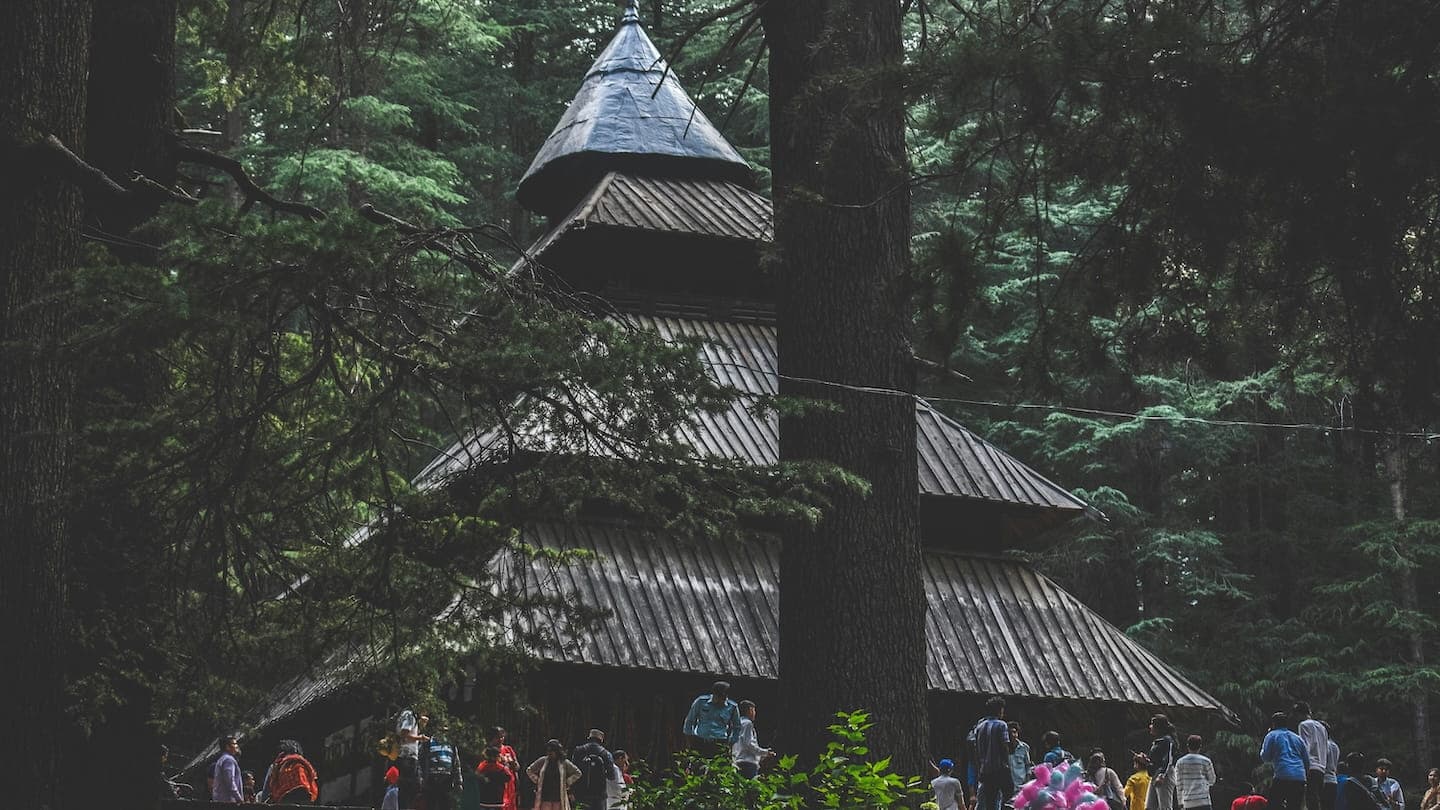
If you are staying near the town centre, the walk from Mall Road to Hadimba Temple is a comfortable way to reach the deodar forest without setting aside a full day. The route climbs steadily, so families can also take a short ride uphill and walk back down.
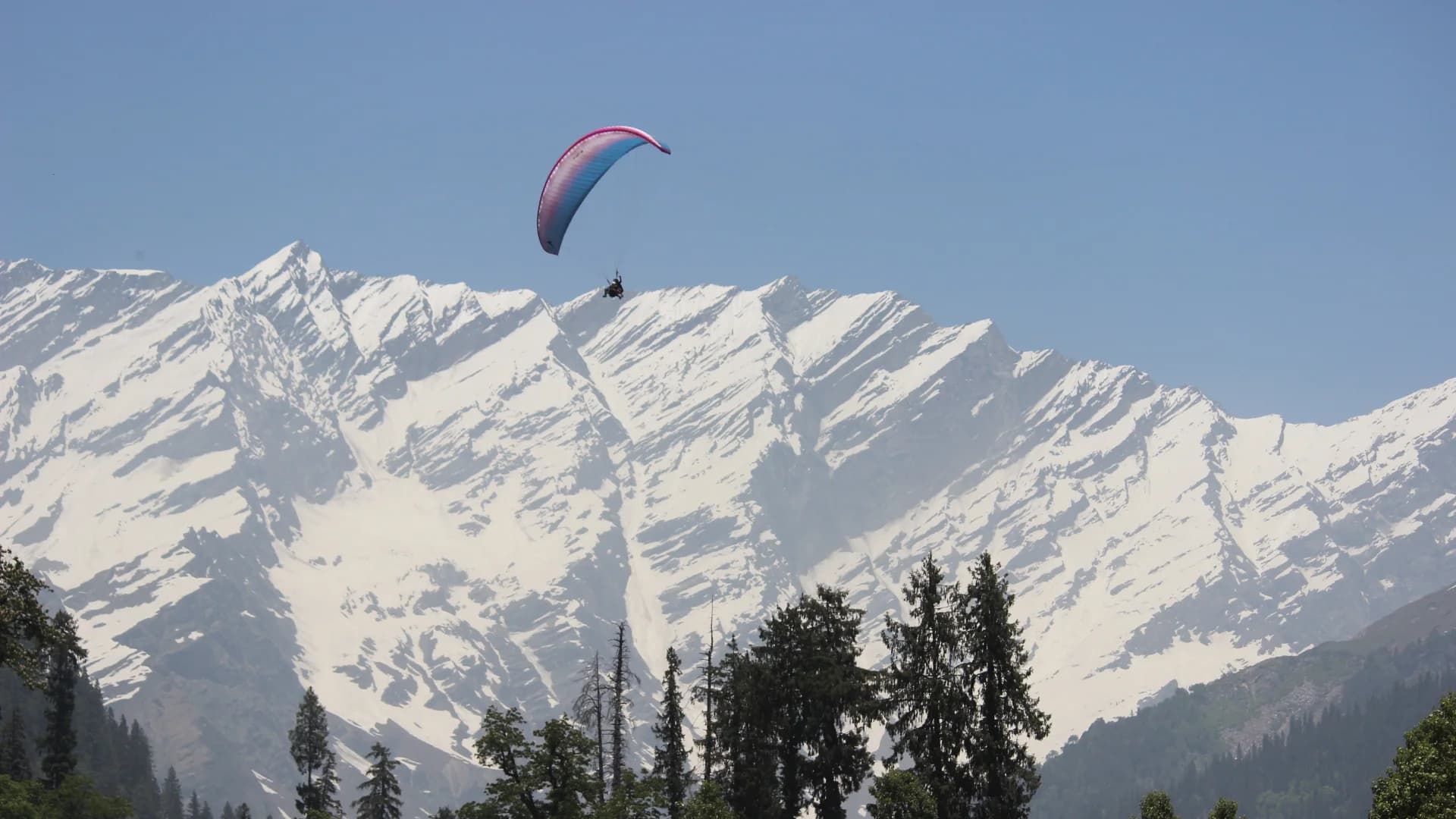
Follow the paths that climb above Old Manali into the cedar forests. As the town disappears below, the air becomes cooler and quieter. Shafts of sunlight filter through the trees while distant peaks emerge between the branches.
There is no attraction here.
No ticket counter.
No viewpoint sign.
Just the feeling of being in the mountains.
Beyond Manali
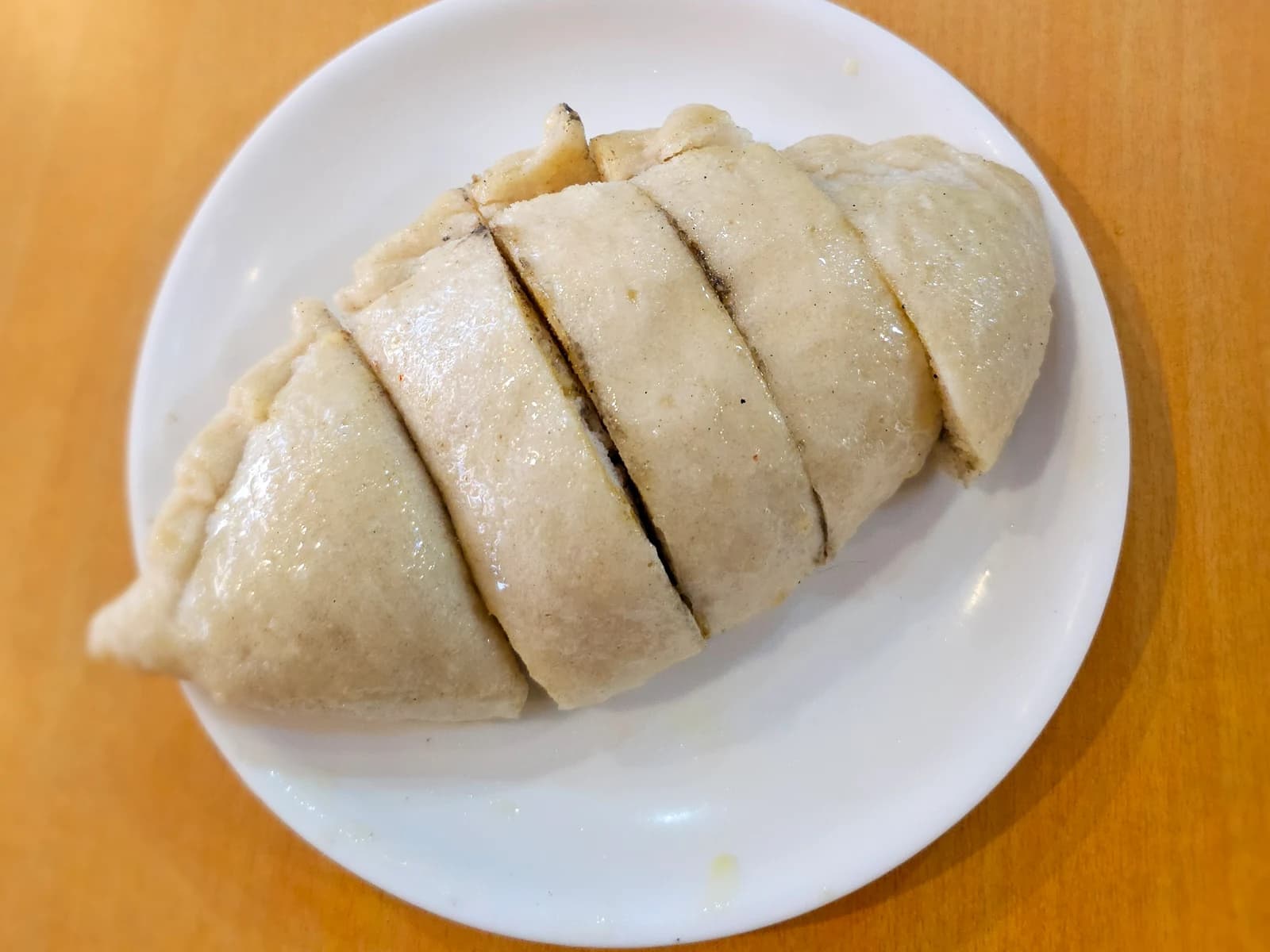
When you stop for a meal, look for siddu, Himachal's steamed stuffed bread. Ask about the filling before ordering, as the stuffing and accompaniments can vary between kitchens.
When you want mountain scenery without giving the whole day to the road, plan a half day from Manali to Solang Valley. The drive is short, though traffic near Palchan can make an early start worthwhile.
Keep a full day for Rohtang Pass from Manali. The old pass road climbs through the Gulaba and Marhi side, and the vehicle permit needs to be arranged before departure.
For a longer road day, travel from Manali to Sissu through the Atal Tunnel. Sissu is in Lahaul, so keep most of the day free rather than treating it as an extra stop after Solang.
If Kasol is the next stop in your holiday, follow the road from Manali through Bhuntar and give the change of valley its own travel day.
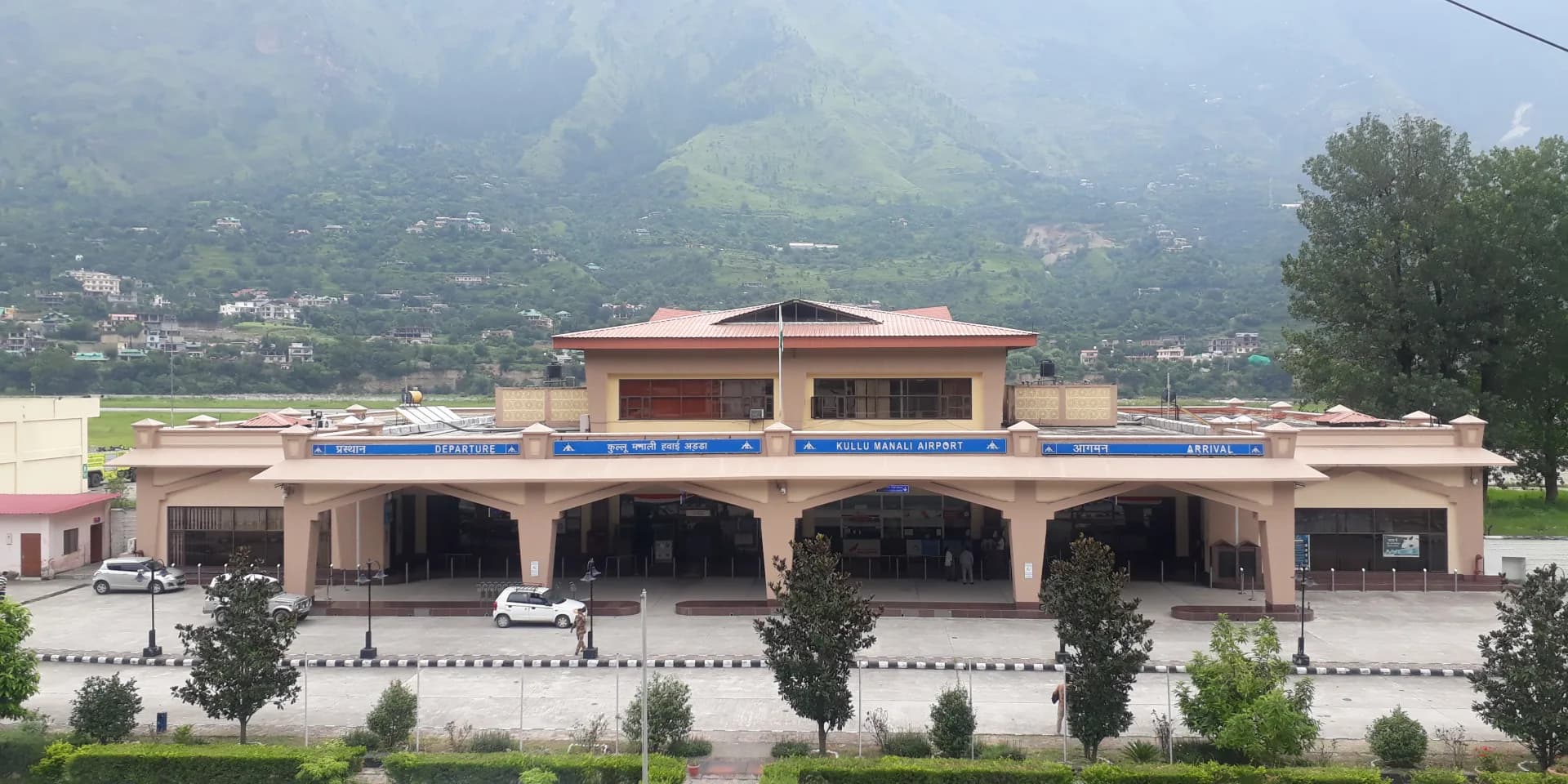
For a shorter journey down the valley, see how to reach Kullu town from Manali by bus or car. Kullu town and Bhuntar airport are different stops.
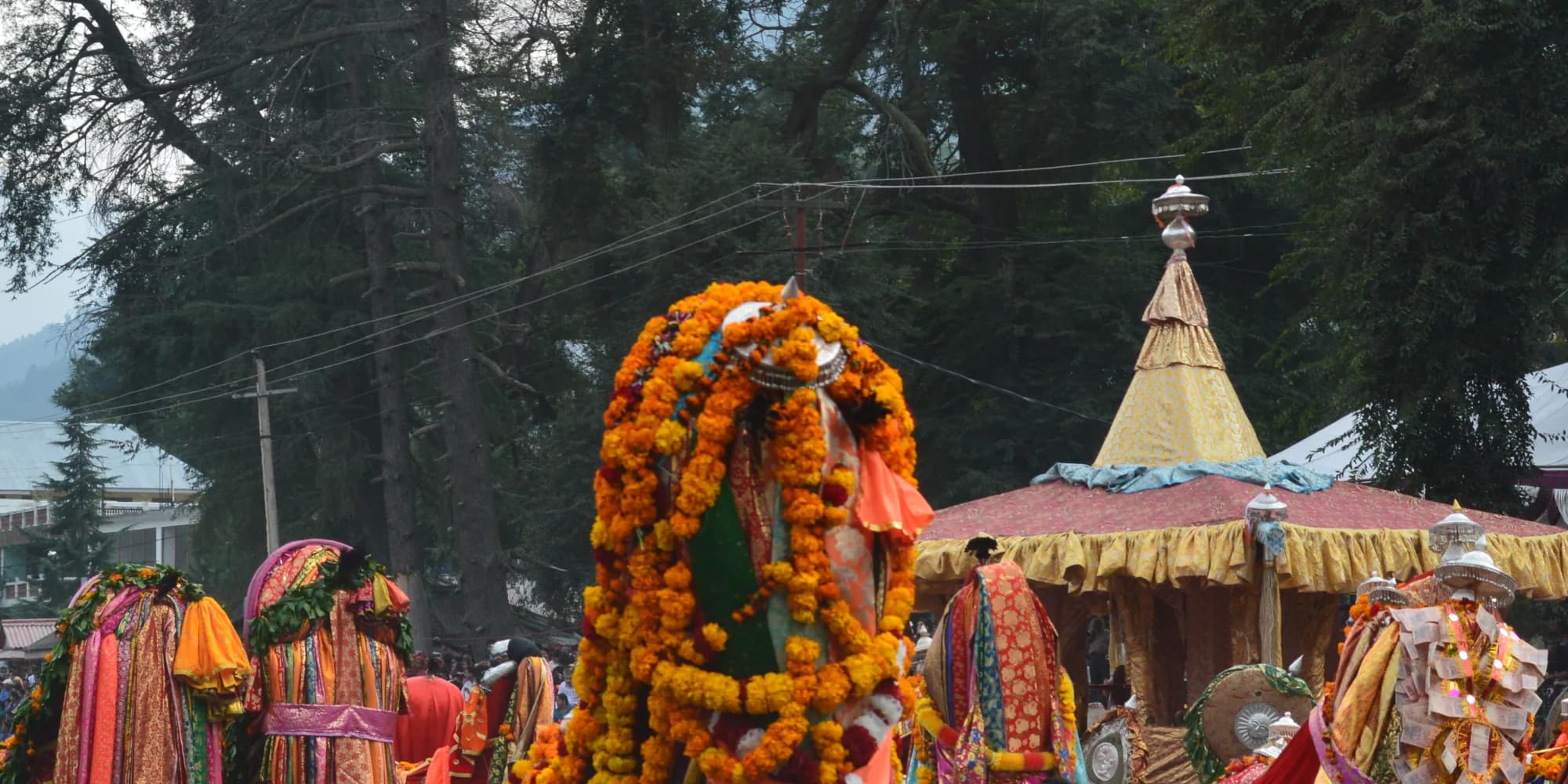
If your stay falls during Kullu Dussehra, keep a separate day to experience the gathering at Dhalpur. The festival is in Kullu town, so arrange the return before you leave Manali.
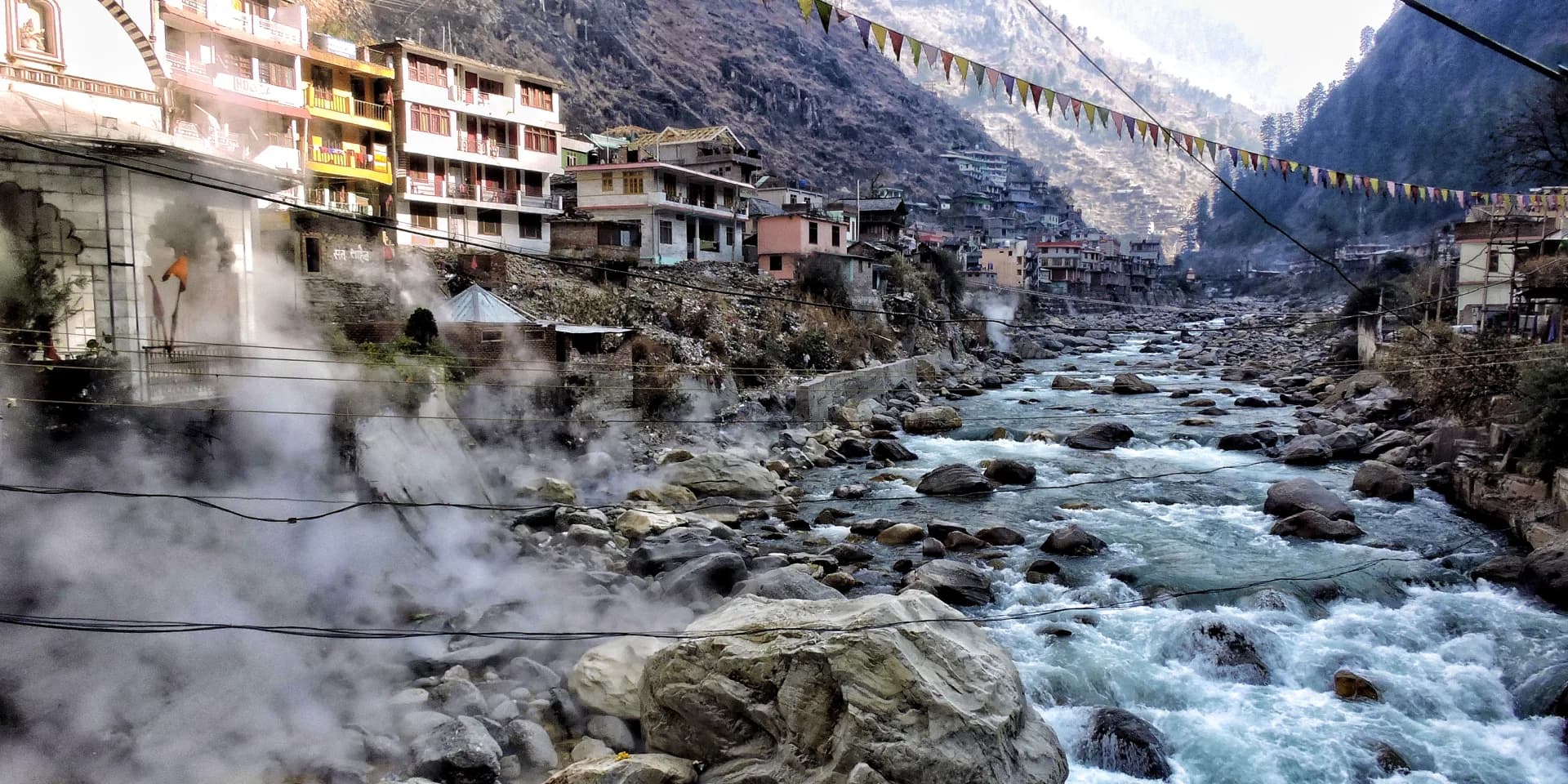
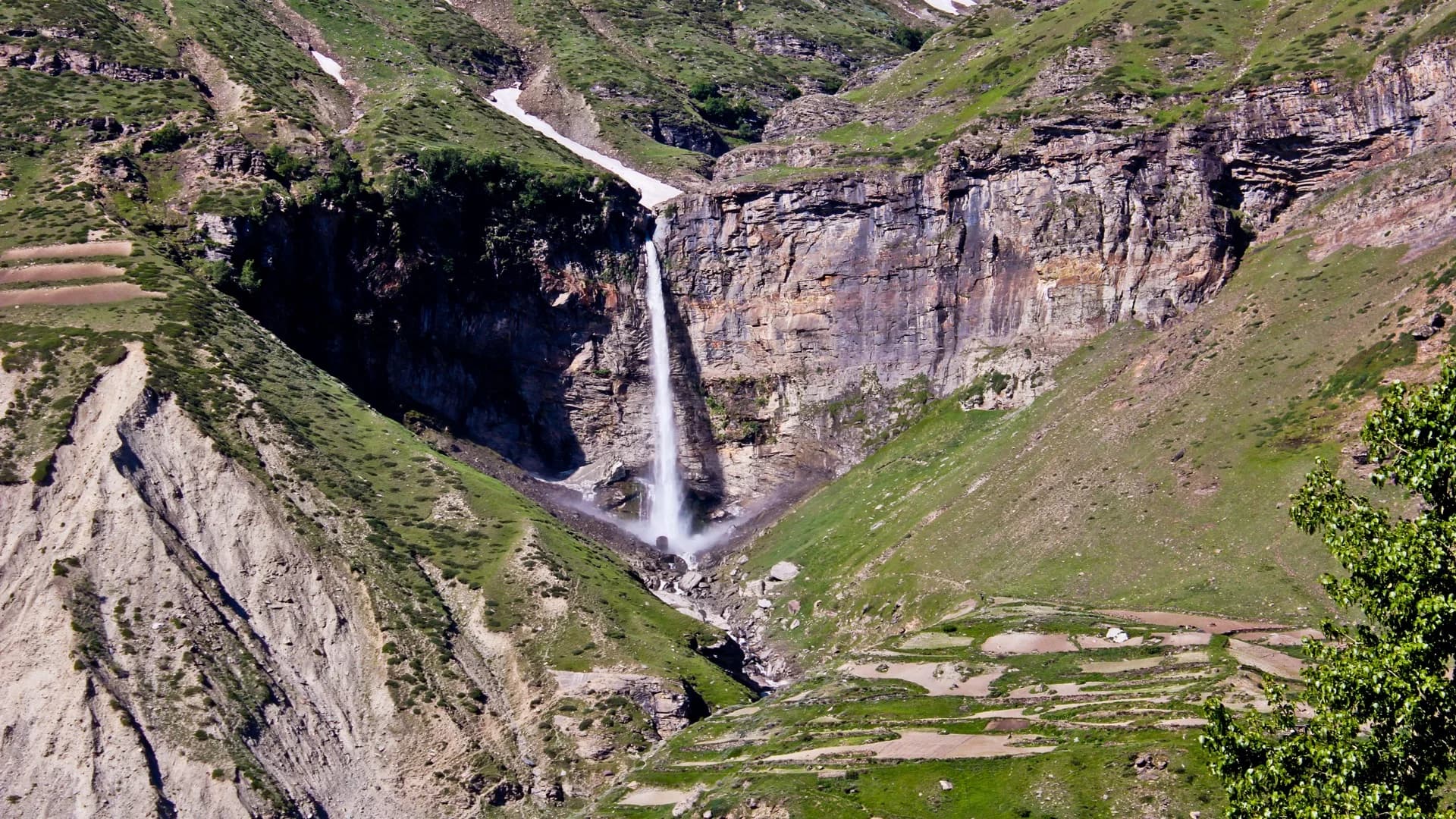
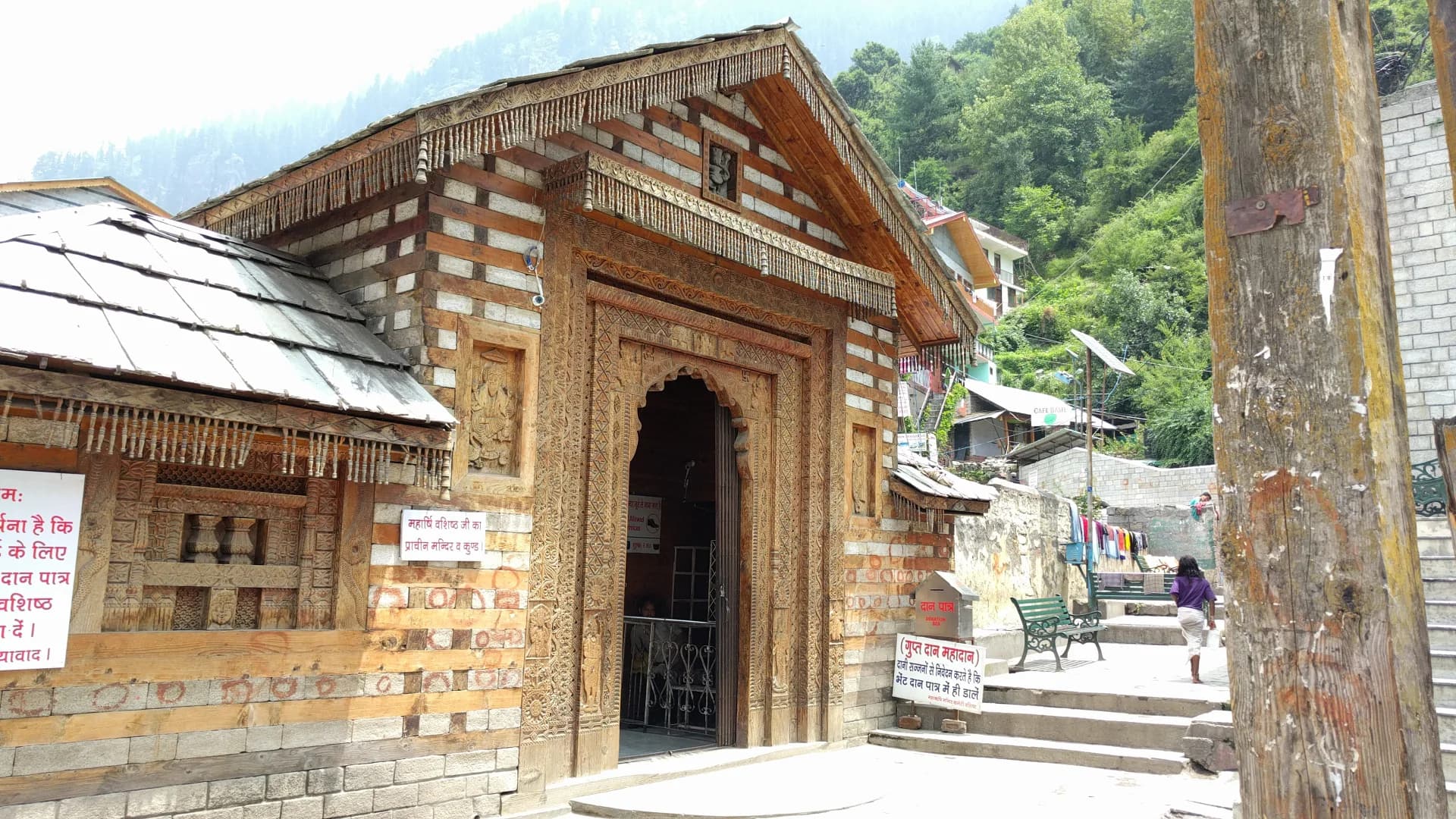
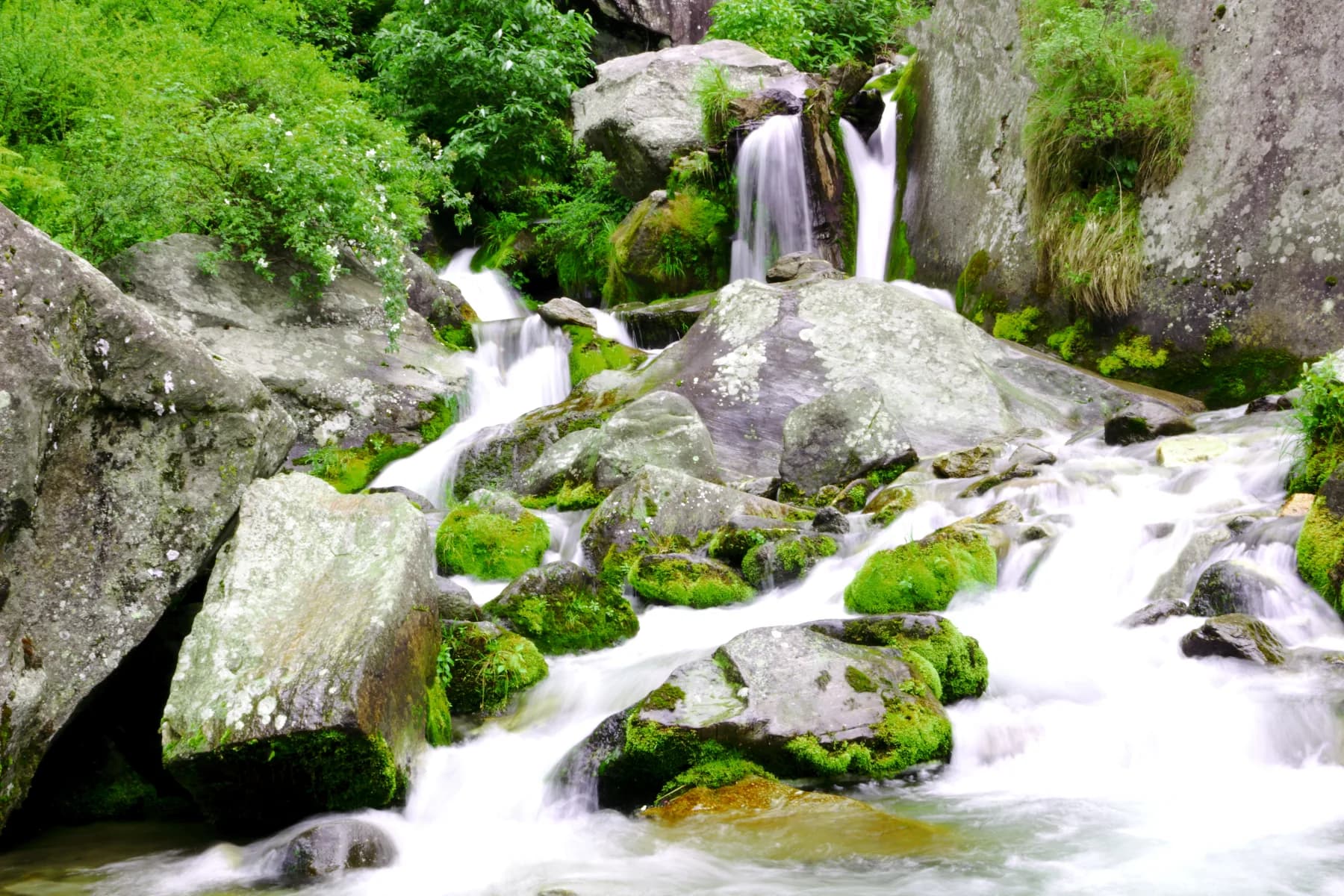
For a half-day close to town, begin with Vashisht Temple and the hot spring baths. Continue on the walk to Jogini Waterfall only when everyone has suitable shoes and another three to four hours. The lower waterfall area is the more comfortable stopping point when the upper path is wet or too steep for someone in your group.
For many travelers, Manali becomes the gateway to deeper Himalayan journeys.
Roads from here lead toward Solang Valley, Sissu, Keylong, Jispa, Spiti Valley, and the high mountain passes of Lahaul.
Yet rushing onward too quickly misses the point.
Manali is not simply a stop on the way somewhere else.
It is a place worth slowing down for.
The 2050 XP Perspective
The best memories from Manali rarely come from famous attractions.
They come from morning walks beside the river, conversations with locals, hidden trails through cedar forests, roadside chai during unexpected rain, and evenings spent watching the last sunlight disappear from the peaks.
Travel deeper.
Stay longer.
Let the mountains set the pace.