The 1930 Lost Property Register at Baba Bhalku Rail Museum
By 2050 XP · · 3 min read
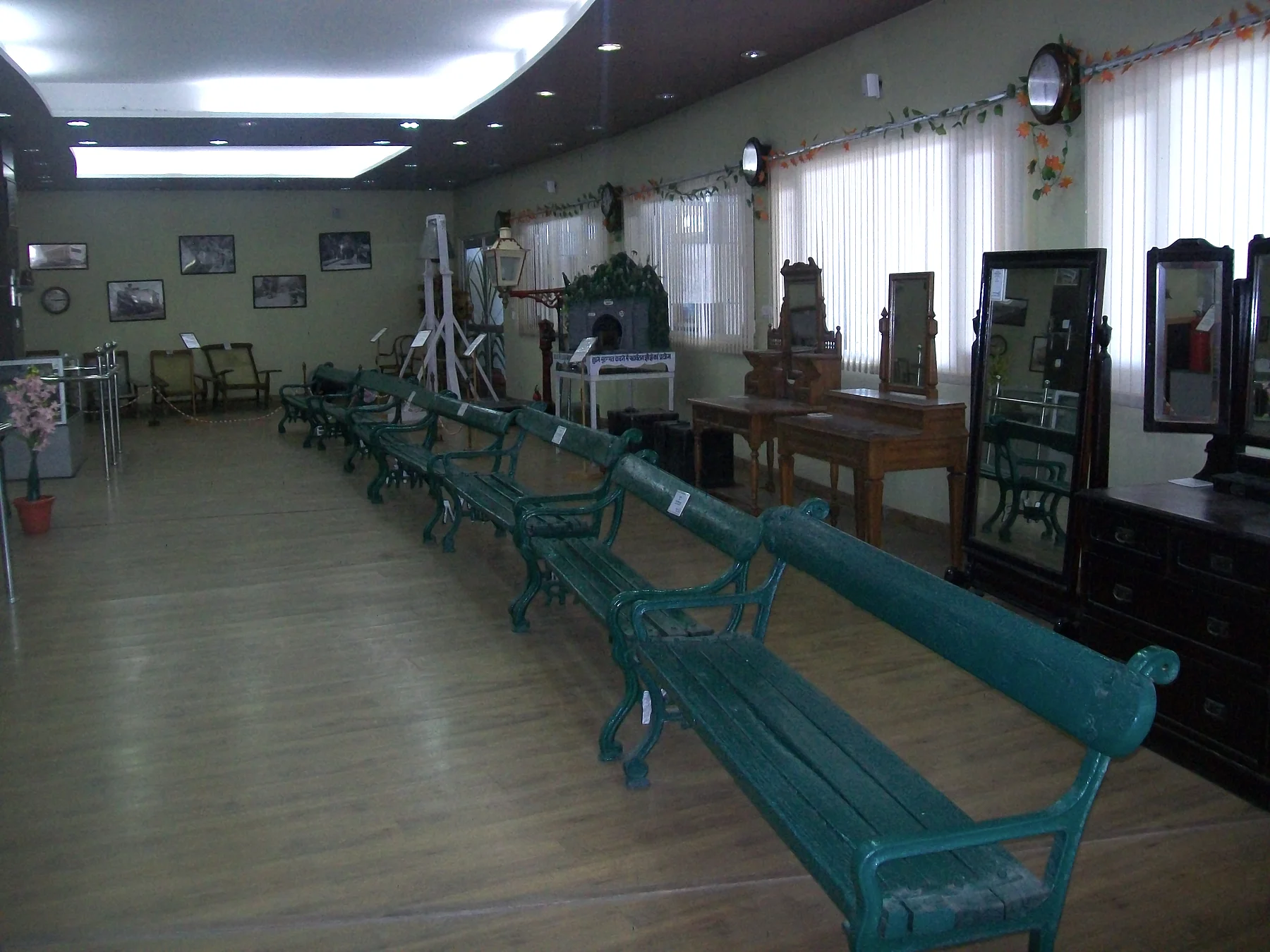
Photograph: Pinakpani, CC BY-SA 4.0, resized and brightened
Start with the lost property register at Shimla's Baba Bhalku Rail Museum. The railway's 1930 records bring the Kalka to Shimla journey down to the things people carried: bags, umbrellas and coats left in waiting rooms or on trains. One passenger wrote to the stationmaster to get something back. Her letter changes a list of missing things into the story of one journey.
A letter to the stationmaster
On 8 August 1930, the singer Mumtaz Begum wrote to the stationmaster asking for something she had left behind. It belonged to her father, and she wanted it sent to her address in Amritsar. The letter gives you the passenger's side of what happened when a journey ended with something missing. Compare it with the entries about articles found on trains or in waiting rooms. One shows what someone was trying to get back, and the others show how the railway kept track of what had turned up.
You can read about both in the railway's online Baba Bhalku exhibition. That's also a way to follow the story if a particular record isn't on display when you visit.
From the waiting room to the line
The wooden benches and chairs in the collection were used at stations along the route. The wall clocks came from England. Look at a bench and then a clock and it's easy to picture the part of the trip that happens before the train arrives, with passengers watching the time and keeping their bags close.
The ticket punches, and the labels and seals worn by porters and other railway staff, put people back into the picture. The railway needed staff who could help passengers and handle their luggage, as well as the people who kept the trains moving. A locomotive headlight and one of the museum's oldest objects, a tool used on the track and dated 1899, take the story out of the waiting room and back to the line.
Finding the museum after the train
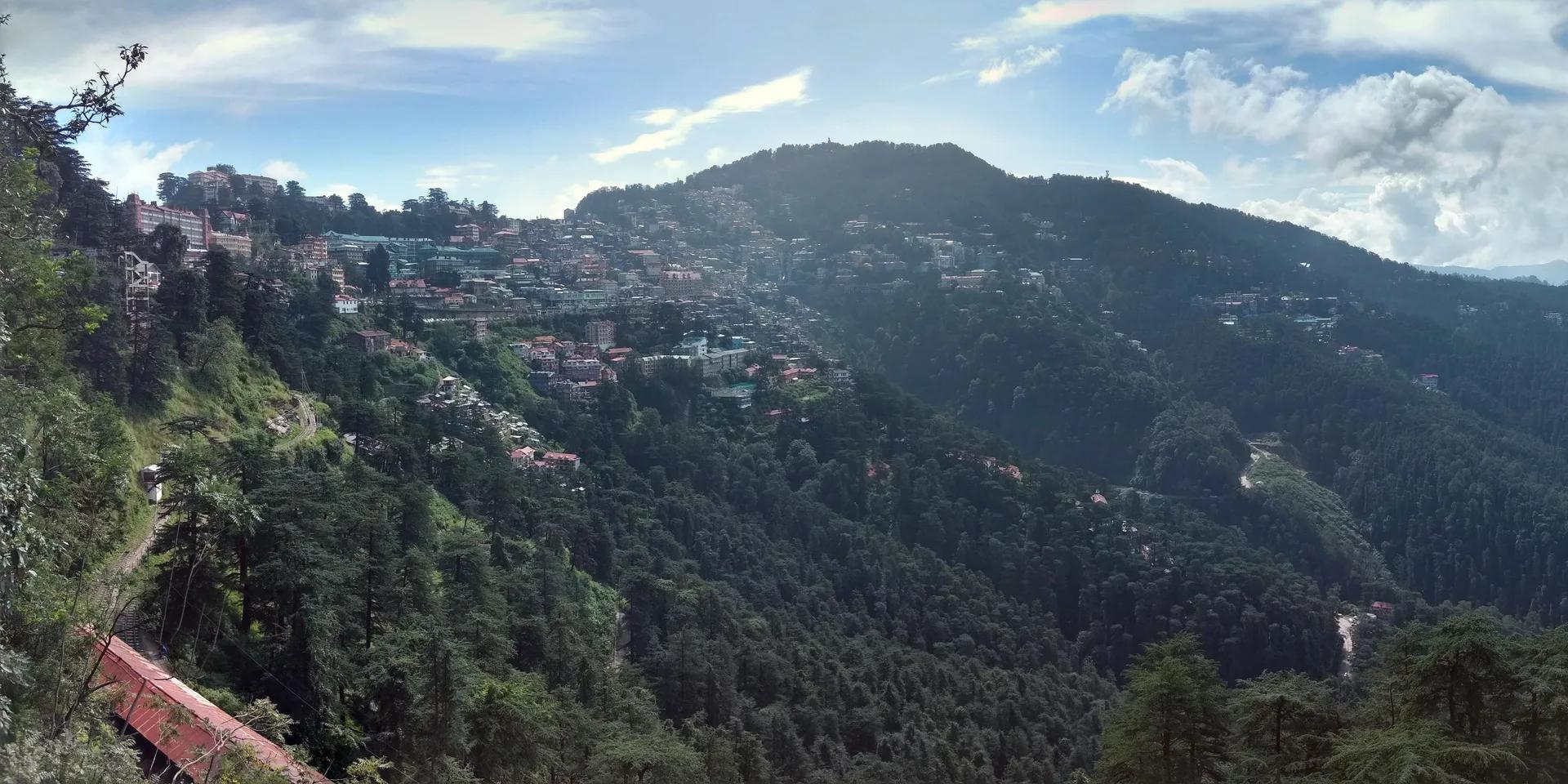
Northern Railway established the museum to preserve objects from the line and named it for Baba Bhalku, who helped the engineers during its construction. If you're arriving by train, the museum is a separate stop near Shimla's Old Bus Stand. Check opening arrangements before setting aside time for it.
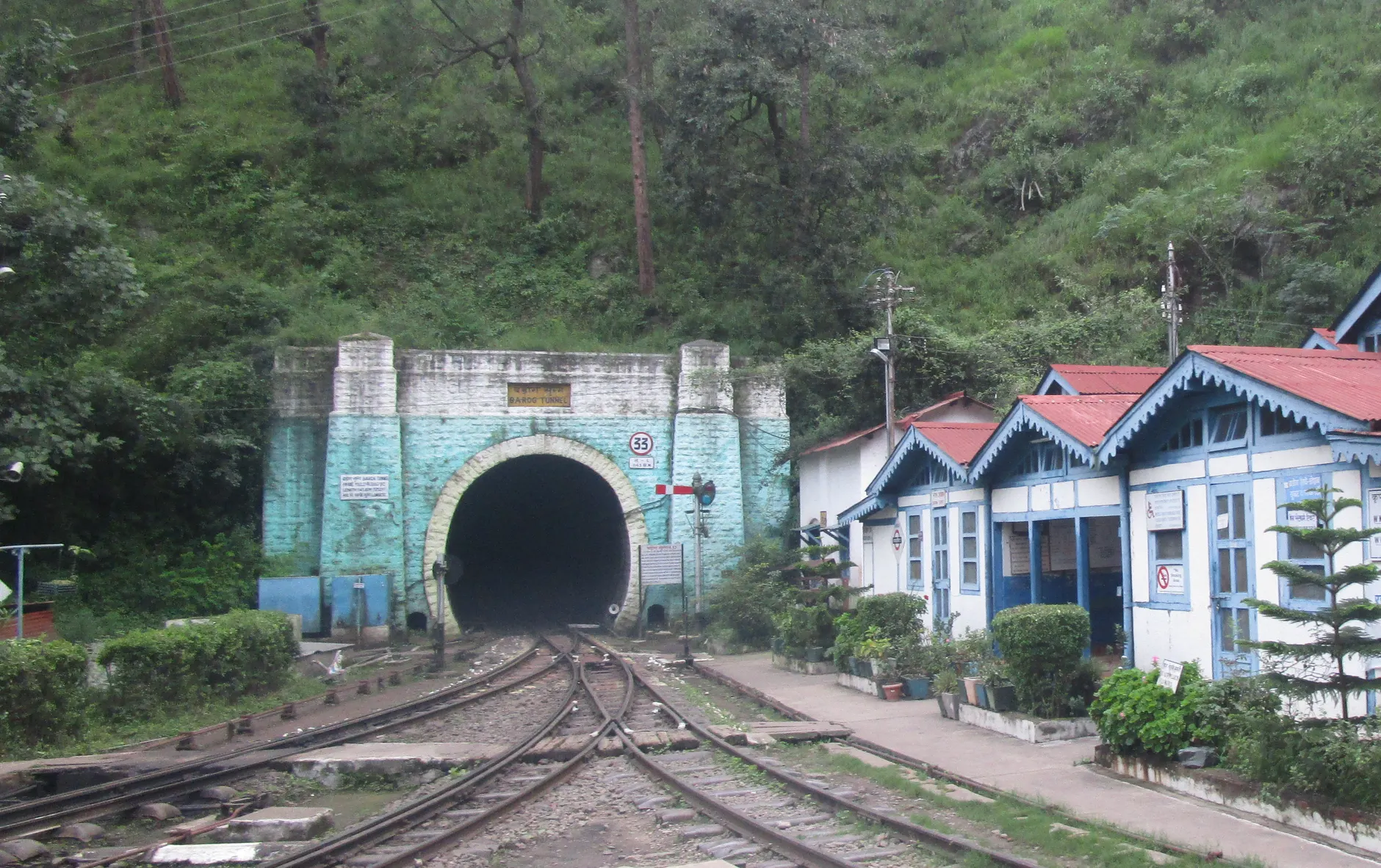
If you're visiting before you take the train, the objects give you something to look for on the journey. When you get to Barog station and Tunnel 33, notice how close the platforms and station buildings are to the mouth of the tunnel. It's a setting where the engineering work and the passenger's journey come into view at the same time.
Photograph of the museum interior by Pinakpani, 23 October 2015, CC BY-SA 4.0. Resized and brightened under the same licence.