Baijnath Shiva Temple
By 2050 XP · · 3 min read
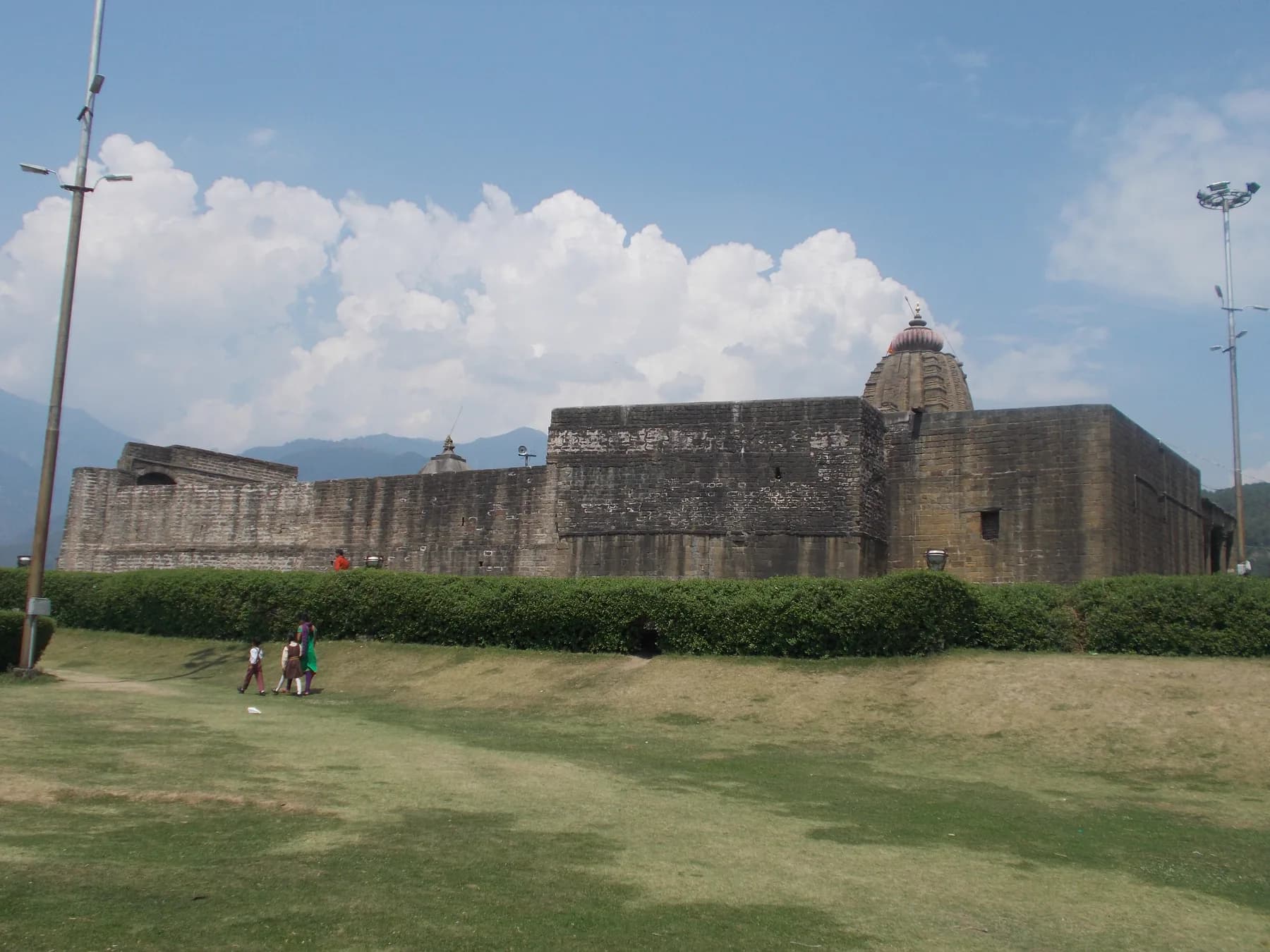
Photograph: Arshiya Mehta / Wikimedia Commons / CC BY-SA 4.0
Baijnath Temple is a stone Shiva temple in Baijnath town, in Himachal Pradesh's Kangra district. The present building dates to 1204, and worship continues here today. A visit can include darshan, but the carved pillars, small Nandi shrine and tall stone tower are also worth making time for.
You do not need to recognise every deity or know the language of temple architecture to enjoy the building. Start with the shrine in front, then look at how the porch and hall lead towards the inner Shiva shrine. The smaller details are easier to appreciate once you have seen that arrangement.
Nandi, the porch and the temple hall
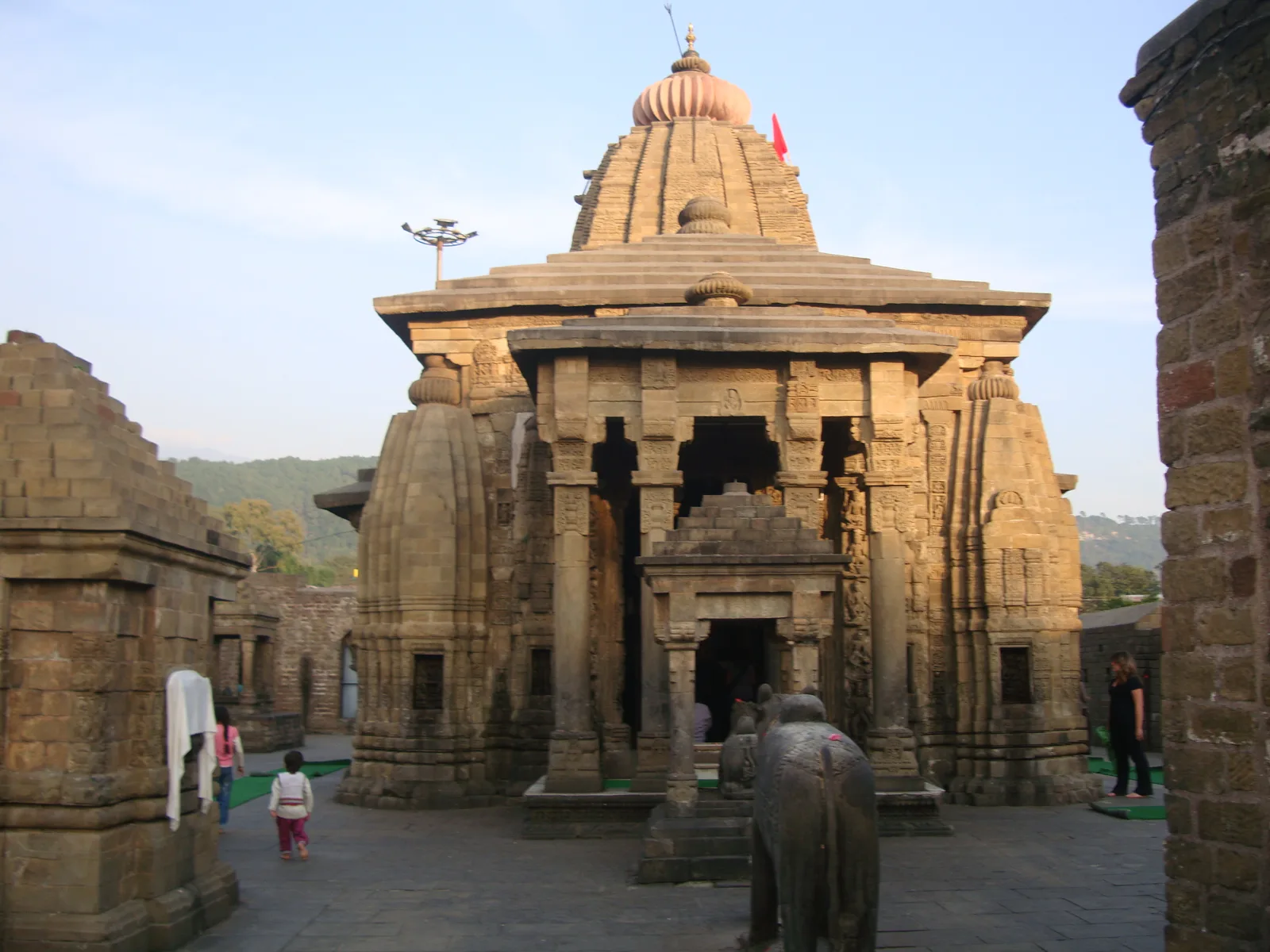
Nandi, the bull associated with Shiva, has a small pillared shrine before the main temple. Behind it is the entrance porch, supported by four pillars. Look at the carving on those pillars before moving into the hall.
The square hall is called the mandapa. It has a balcony on each side, to the north and south, and leads through a connecting space to the inner shrine where the Shiva linga is worshipped. Shiva is known here as Vaidyanath.
This is a working temple, so leave the entrance clear for people coming to pray. You can pause to look at the stonework without stopping in a doorway or interrupting someone's darshan.
The curved tower and figures on the outer walls
The tall tower above the inner shrine is the shikhara. Its curving shape is a feature of Nagara, a North Indian style of temple architecture. Seen together, the lower porch, square hall and rising tower show how the building is arranged around the shrine.
On the outer walls, look for figures set into recessed stone panels, along with floral and decorative carving. Notice the different poses and the way each figure fits into its frame. There is no need to guess a name for every sculpture; looking closely is more rewarding than rushing to identify them all.
Keep to the spaces open to visitors. Please do not climb onto a base, lean against a carved figure or touch the stone to get a closer photograph.
The inscriptions behind the 1204 date
Two long inscriptions record the temple's foundation by merchants Ahuka and Manyuka in 1204. A Shiva shrine already existed at this spot before the present stone building was constructed. That distinction matters: the date belongs to this building, not to the beginning of worship at the site.
Look for the inscriptions around the entrance hall if that area is open during your visit. They are part of the temple's history even if you cannot read them. Leave the slabs untouched, and keep anyone praying nearby out of your photograph unless they agree to be included.
Making time for a Baijnath visit
Keep about an hour free for darshan and a look at the architecture, with your journey separate from that allowance. It is a suggestion for an unhurried visit, not a fixed duration; worship and queues may change how long you spend here.
Use the Baijnath Temple location in Kangra when arranging your journey. The similarly named temple complex in Uttarakhand is a different destination. Before setting out, confirm the visiting arrangements for your day, particularly if you want to attend a particular prayer. Follow the instructions at the entrance, and ask before taking photographs inside the shrine.
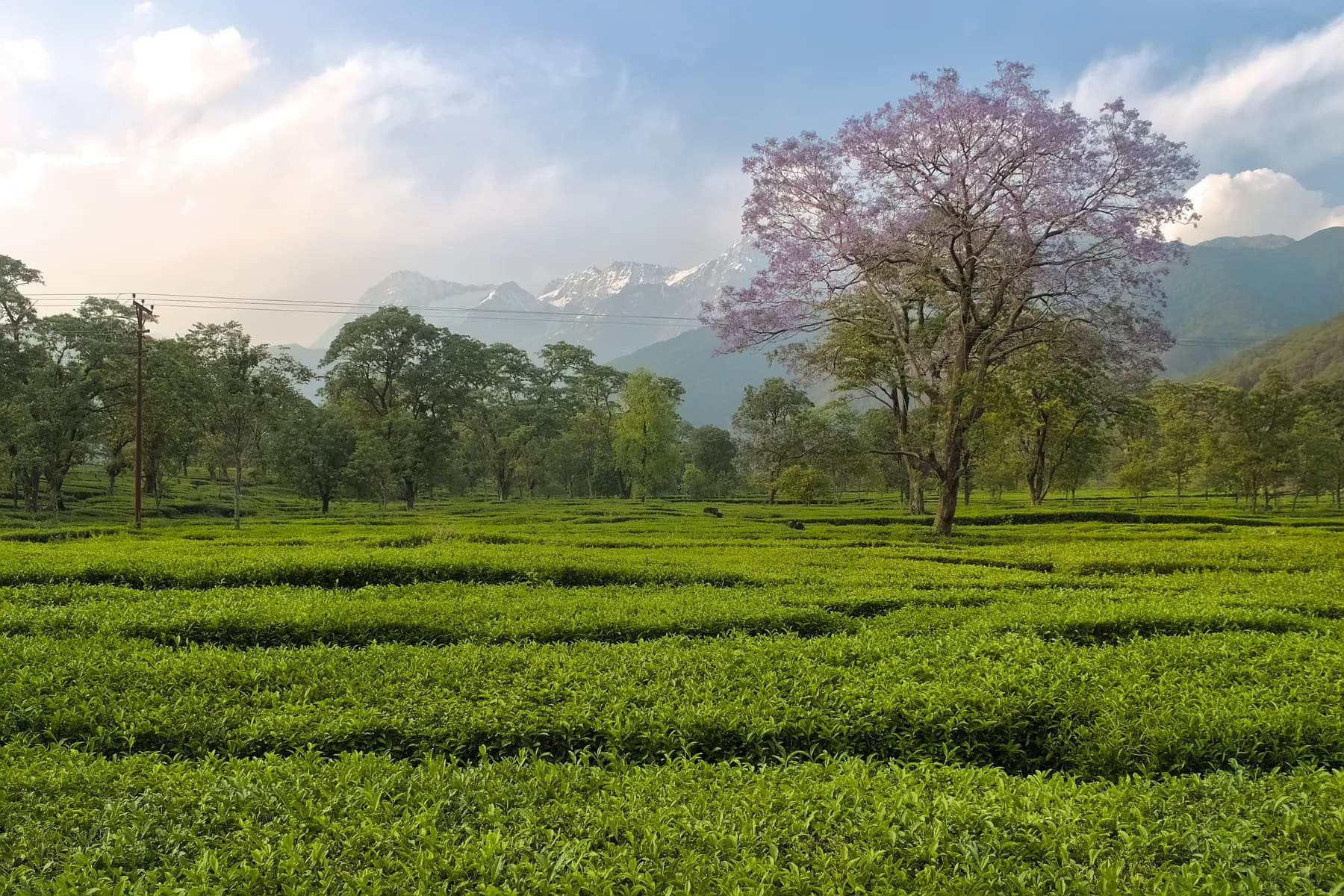
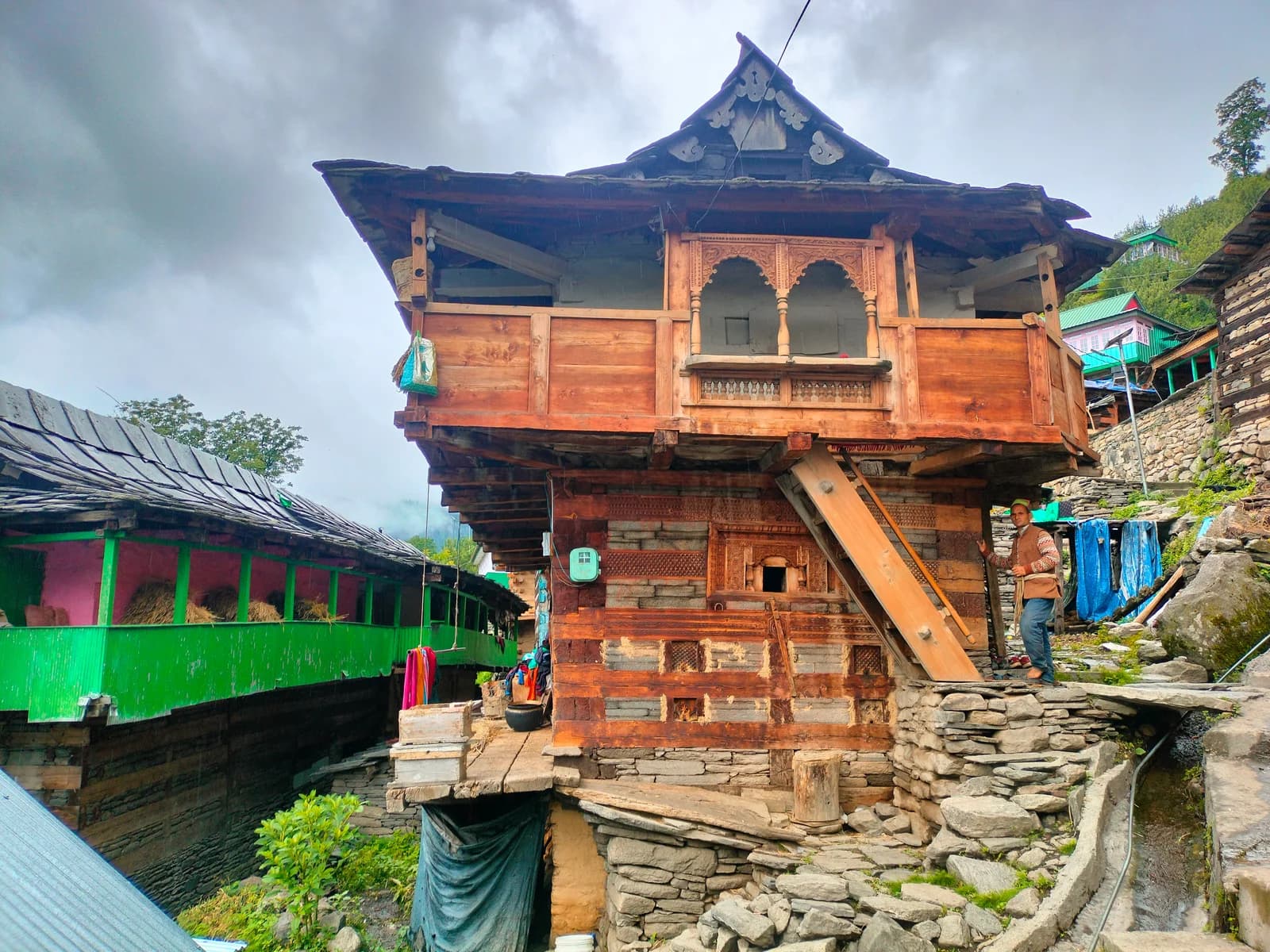
During a longer Kangra stay, a tea tasting in Palampur offers time in a tea garden and a chance to compare black and green Kangra tea. Arrange it separately from your temple visit. Our Kath Kuni architecture article explains another form of Himachali building, with alternating timber and stone in the walls rather than the stone construction you see here.
Photographs: the enclosure and tower by Arshiya Mehta, taken on 10 June 2015 (original, CC BY-SA 4.0); Nandi and the porch by Viraat Kothare, taken on 28 October 2011 (original, CC BY-SA 3.0). Resized and converted to WebP for 2050 XP; each adaptation retains its photograph's licence.