Japani Phal in Himachal's Autumn Markets
By 2050 XP · · 3 min read
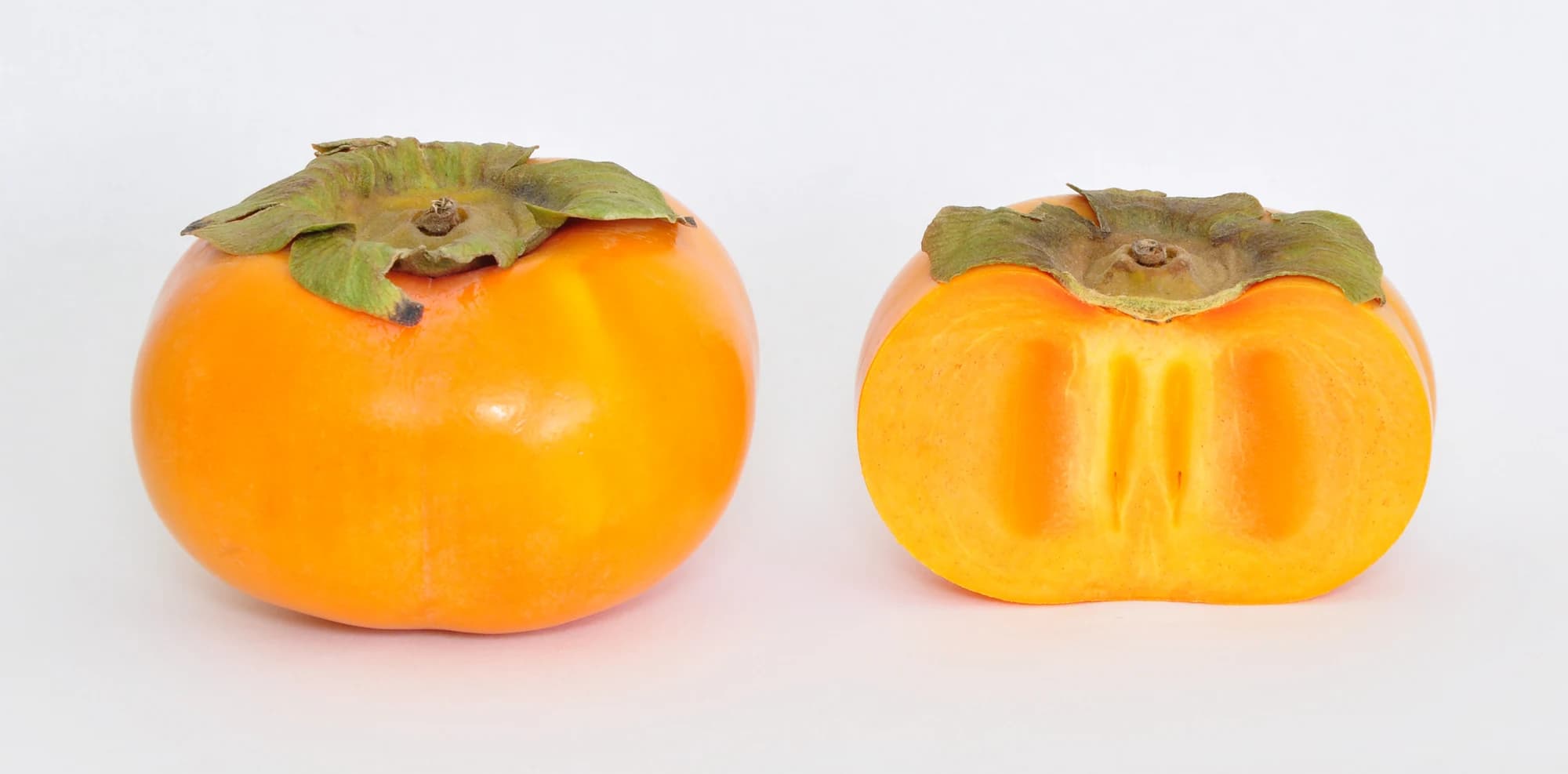
Photograph: Joe Ravi / CC-BY-SA 3.0
Japani phal is persimmon, the orange fruit with smooth skin and a broad, leafy cap that can look rather like a tomato. It is grown in Himachal, including Kullu and Mandi districts. On an autumn visit, it is another fruit to look for besides apples.
Before taking your first bite, find out which kind you have. Some persimmons are sweet while still firm. Others need to become very soft. Waiting for every persimmon to turn mushy is unnecessary, but eating an astringent variety before it is fully ripe can give you a dry, mouth-puckering taste.
Firm-eating and soft-eating persimmons
Fuyu and Jiro are examples of non-astringent persimmons. That means they can be eaten while mature and crisp; they do not have to become jelly-soft first. They can also be enjoyed softer if that is the texture you prefer.
Hachiya is an astringent type. Astringency is the drying, puckering sensation an unripe fruit can leave in your mouth. This kind needs to ripen until it feels very soft, with pulp you can scoop out with a spoon.
The name Japani phal does not tell you which type is on the stall. Ask: “Can this one be eaten firm, or should I wait until it is completely soft?” If you want to eat it today, ask the seller to help you choose a fruit that is ready.
Orange skin does not prove that an astringent fruit is ready to eat. Nor should you rely on the fruit's shape to identify the variety when you are unfamiliar with it.
Slice a firm persimmon, spoon a soft one
For a ripe, firm-eating persimmon, rinse the fruit, remove the leafy cap and cut it into slices. The skin is edible, though you can peel it if you prefer.
For a fully ripe, soft-eating type, open the fruit and spoon out the pulp. The texture is quite different from the crisp slices: soft and pudding-like rather than crunchy. Keep a plate or bowl underneath when opening it.
If you have bought an astringent type that is still firm, give it time to ripen. There is no reliable number of days to promise for every fruit, so ask about its stage of ripeness when you buy it.
Persimmon season and packing ripe fruit
Himachal's persimmon harvest generally runs from late September into December. The timing varies, so treat autumn as a season to look for the fruit, not a guarantee that a particular shop will have it on your dates.
Very soft fruit bruises easily. Choose it for eating during your stay rather than putting it loose beneath luggage for a long journey. Ask for ripe fruit to be packed separately and keep it from being crushed.
If you are visiting Manali for its orchards too, remember that fruit on a shop counter does not tell you what is still growing on nearby trees. Our article on Manali's apple orchards through the year explains the difference between blossom, harvest and an orchard visit arranged with the owner.
Photograph
Whole and sliced Jiro persimmons by Joe Ravi, photographed on 19 October 2011. This is a fruit still life, not a photograph of a Himachal orchard. Resized and converted to WebP by 2050 XP; the photograph and this adaptation are shared under CC-BY-SA 3.0.