Kangra Art Museum and Its Miniature Paintings
By 2050 XP · · 3 min read
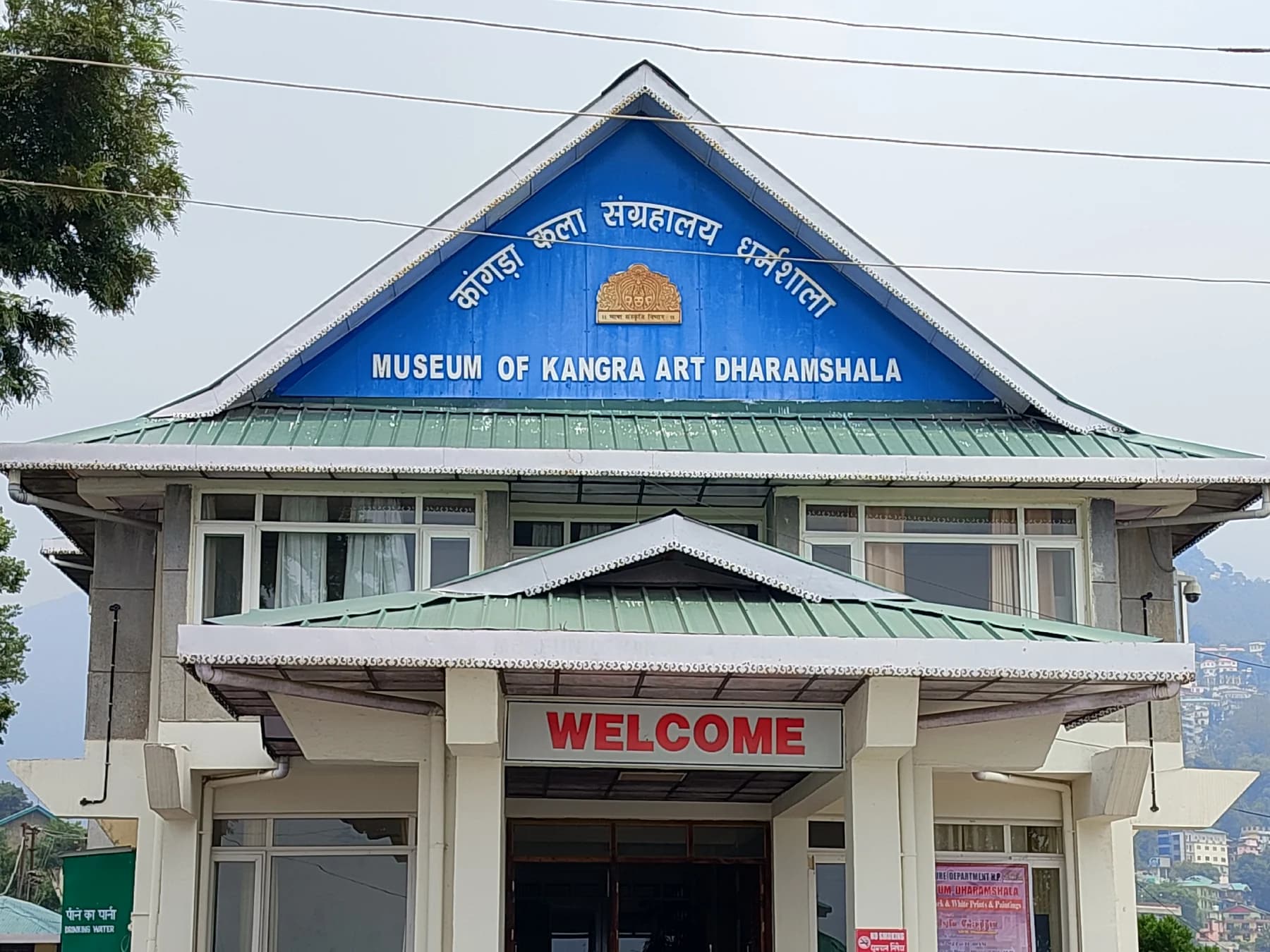
Photograph: Brahmavadini / Wikimedia Commons / CC BY-SA 4.0
Kangra Art Museum is in Kotwali Bazaar, Dharamshala, and its miniature paintings are a good reason to visit. Alongside the paintings, the museum has collections of jewellery, textiles and archaeological objects. Choose it if you would like to spend part of your Dharamshala stay looking at the region's art and craft, rather than adding another viewpoint to your itinerary.
Despite the name, this museum is not in Kangra town. It is also separate from the Maharaja Sansar Chand Museum beside Kangra Fort. When arranging your visit, use Kangra Art Museum, Kotwali Bazaar, Dharamshala so you do not set out for the wrong museum.
Looking closely at the miniature paintings
Miniatures are small, finely detailed paintings. You do not need an art-history background to enjoy them, but it helps to choose a few works and spend time with each, rather than move straight past every frame.
Start with the label. Read the subject, the painting school and the date before looking for details. Kangra painting is part of the wider Pahari painting tradition of the Himalayan hills, with its development closely associated with Guler. Do not assume that every painting in a regional museum belongs to the same school.
Scenes of Radha and Krishna, drawn from devotional and literary stories, are central to the Kangra tradition. Once you know the subject, look at the figures' gestures and their arrangement within the scene. The label is more useful than trying to identify every figure from clothing alone.
Then look at the brushwork. Fine outlines and small decorative details are important features of this style. Notice how a face, a garment or a border is drawn, and compare the treatment in two paintings. You may find that the detail holds your attention longer than the overall scene.
Give the landscape a second look too. Trees, rivers, birds, cattle and flowers often receive careful attention in Kangra painting. Look beyond the main figures to see how these details fill the picture. For more background on the subjects and style, the Kangra Arts Promotion Society's painting introduction is useful reading before your visit.
Jewellery, textiles and archaeological objects
The museum is not only a painting gallery. Its jewellery and textile collections offer another way to explore regional craft, while the archaeological collection includes sculpture and pottery.
Read the place and date on the labels here as well. A museum can bring together objects from different communities and periods; one ornament or garment should not stand for the whole of Himachal Pradesh. If an object interests you, note its name and place of origin so you can learn more about that particular tradition later.
Making time for the museum
Allow about an hour for the galleries, with longer if you enjoy reading labels and comparing paintings. Leave extra time for getting there so you do not need to rush through the collection.
Check the museum's visiting arrangements before leaving your stay. If you hope to watch an artist at work, confirm that separately rather than assume a demonstration comes with admission. Follow the gallery signs, keep your hands away from exhibits and ask before taking photographs.
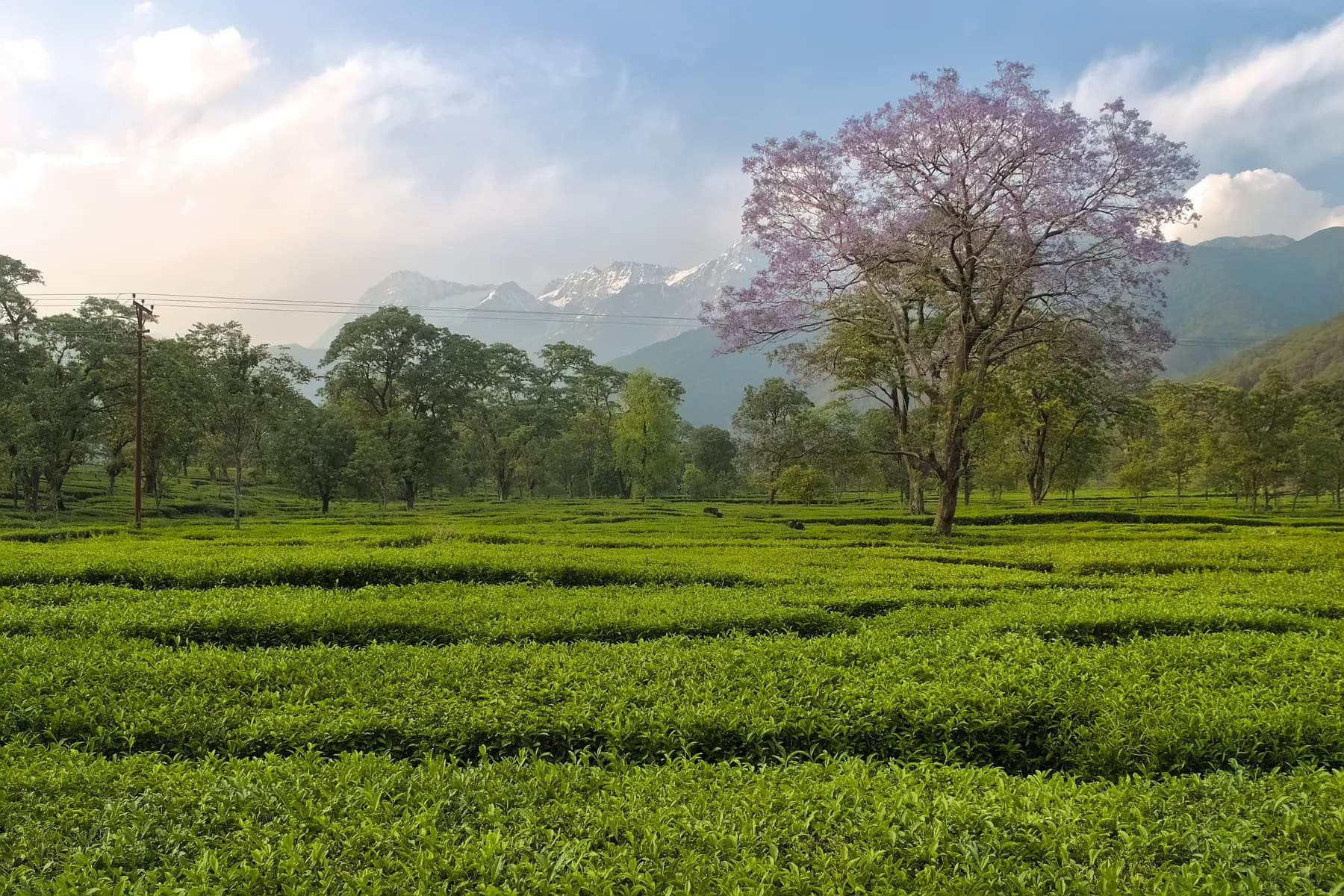
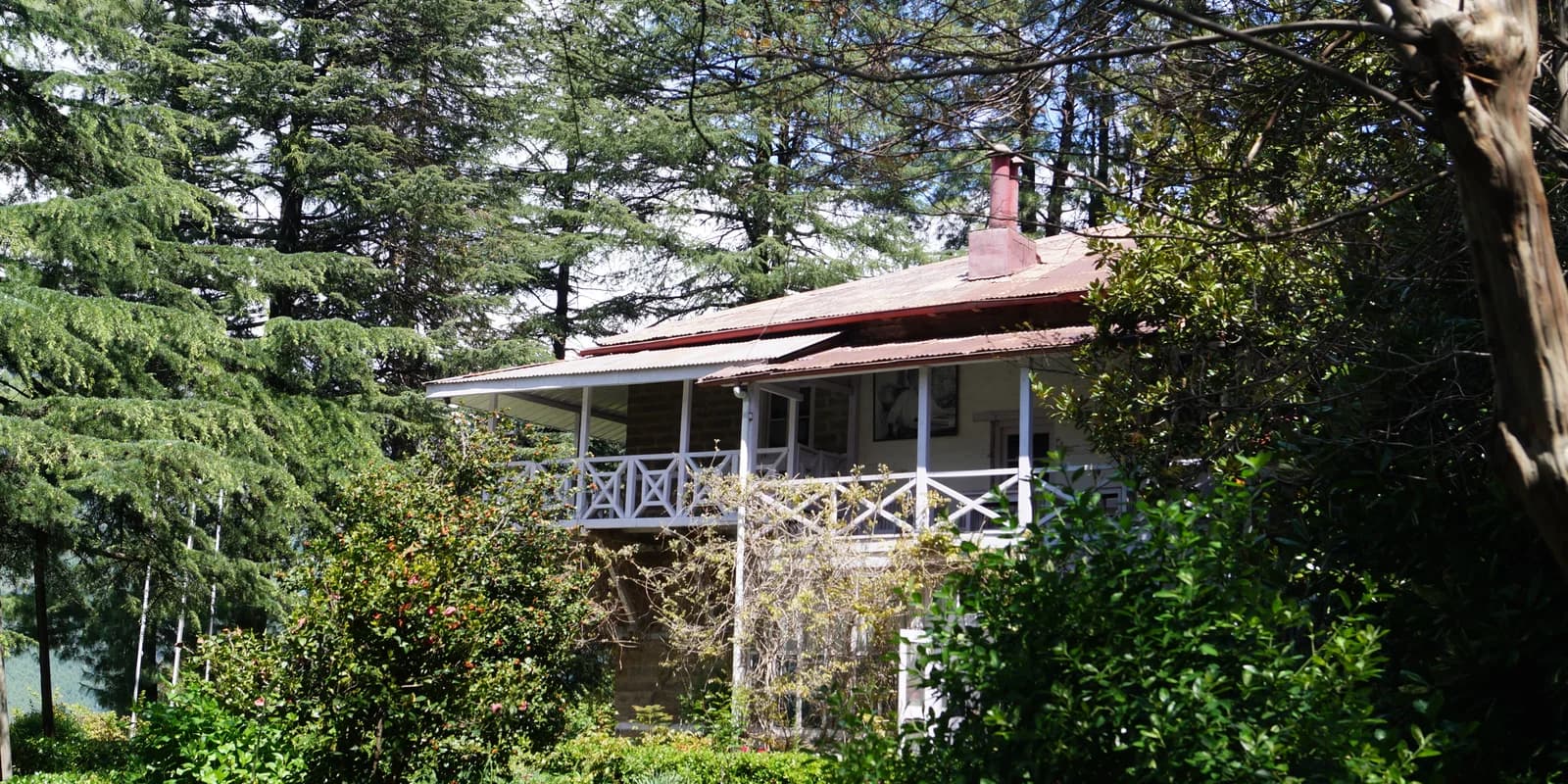
During a wider Kangra stay, you could also set aside time for a tea tasting in Palampur. If Naggar is on your Himachal itinerary, you can read about visiting the Nicholas Roerich Art Gallery.
Photograph: Museum of Kangra Art in Dharamshala, taken by Brahmavadini on 26 June 2024. Original photograph, cropped, resized and converted to WebP for 2050 XP. The photograph and this adaptation are available under CC BY-SA 4.0.