Tibetan Craft at Norbulingka Institute
By 2050 XP · · 3 min read
Photograph: Dainis Matisons / Flickr via Wikimedia Commons / CC BY 2.0
At Norbulingka Institute in Sidhpur, Tibetan painting, silk appliqué, woodcarving and statue-making are part of an ongoing craft-training tradition. The Deden Tsuklagkhang Temple brings several of these arts together in its murals, gilded Buddha statue and silk work.
This is a useful stop during a Dharamshala stay if you want to understand how the artwork is made. Before going, check which studios and visitor areas will be open, especially if there is a particular craft you hope to see.
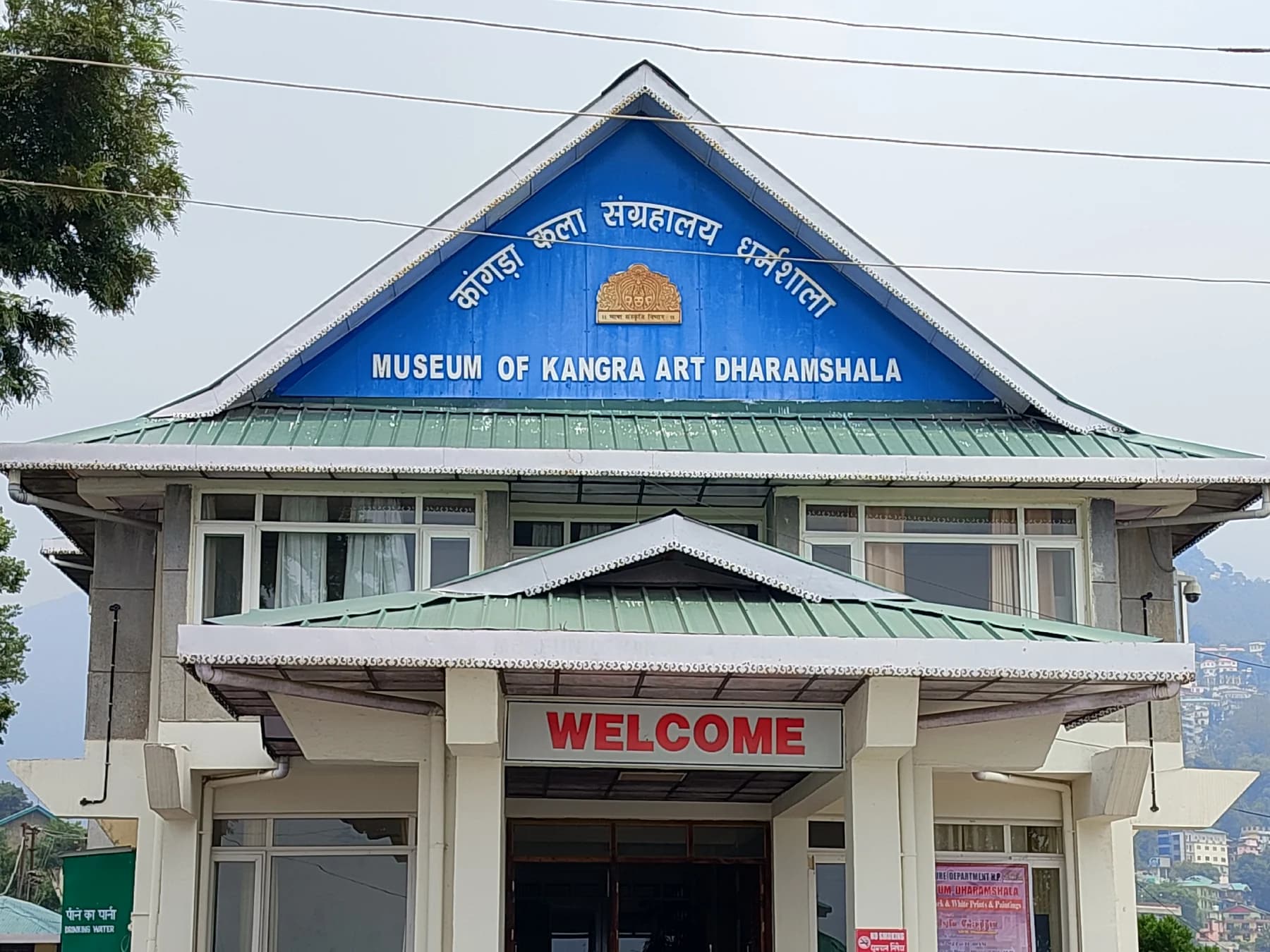
Use the institute's Sidhpur, Dharamshala address when arranging your journey. Norbulingka is not the Dalai Lama Temple complex in McLeod Ganj, and it is separate from Kangra Art Museum in Kotwali Bazaar.
Painted thangkas and sewn silk
A thangka is a Tibetan Buddhist religious image. Paintings often place a principal figure at the centre, surrounded by related figures or scenes. The arrangement has religious meaning, so it is better to ask about the subject than to guess who each figure represents.
Norbulingka also makes thangkas using silk rather than paint. This technique is called appliqué: separately worked pieces of fabric are assembled and sewn onto a base to form the image. The outlines and layers that appear painted from a distance can therefore be made from thread and cloth.
Keep this distinction in mind when looking at the finished work. A painted surface and a sewn textile may depict similar subjects, but they involve different skills. If staff are available to explain a piece, ask whether it is painted or appliquéd and how the smaller parts are brought together. Wait for an invitation before approaching unfinished work, and leave materials and tools untouched.
How a drawing becomes carved wood
Woodcarving begins with a design transferred onto a flat piece of wood. A fret saw cuts openings, and chisels shape the design from the front and back to give it depth.
Flowers, clouds, mountains and Buddhist symbols are among the motifs used in Tibetan carving. Look at the spaces cut between the forms as well as the raised design itself. This helps you see the difference between a pattern painted onto wood and one carved into it.
The institute's woodcarving introduction explains the drawing, tools and training behind the craft. It is helpful reading if this is the studio you are most interested in.
The artwork in Deden Tsuklagkhang Temple
The temple is a place of worship as well as a setting for the institute's craftsmanship. Its copper-gilded Buddha statue was made by Norbulingka's statue-making team, while the thangka painters created the murals.
Paintings on the walls beside the Buddha recount twelve deeds in the life of Buddha Shakyamuni. A large silk-and-brocade appliqué depicting the Sixteen Arhats hangs from the balcony. These details connect the different crafts: worked metal, painted walls and assembled textile each have a place in the prayer hall.
Give worshippers space and follow the signs for visitors. Ask before photographing the interior rather than assume that being able to enter also means every photograph is permitted.
Visiting the gardens and studios
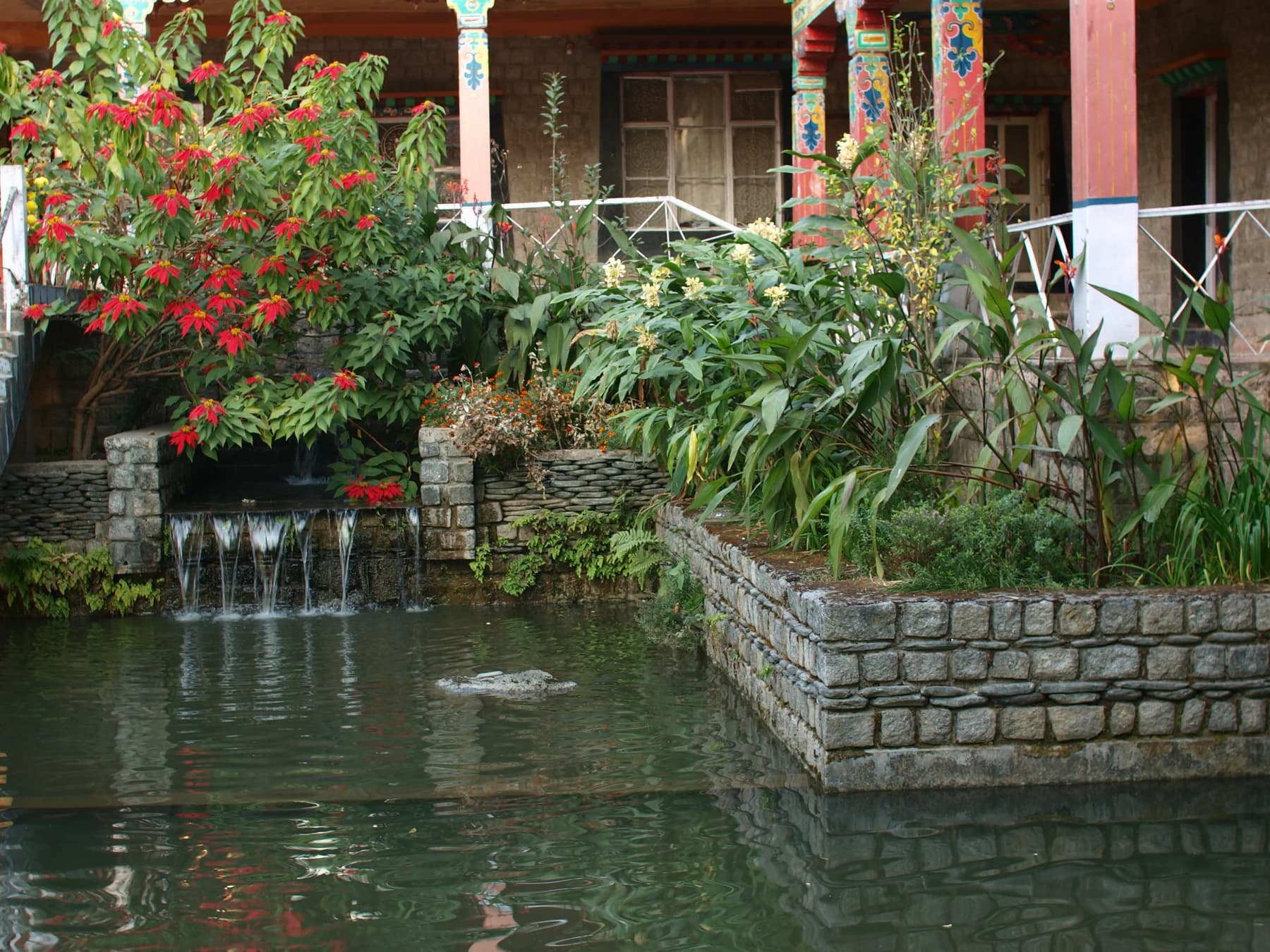
Ponds, streams, trees and stonework form part of the institute's gardens. Leave time to enjoy the grounds, but confirm the studio arrangements before making the journey for a particular craft. Do not assume that every artisan or studio will be available whenever the grounds are open.
A short visit and a hands-on course are different plans. If you want to practise a craft yourself, ask the institute about the arrangements in advance; observing work does not mean you can join in.
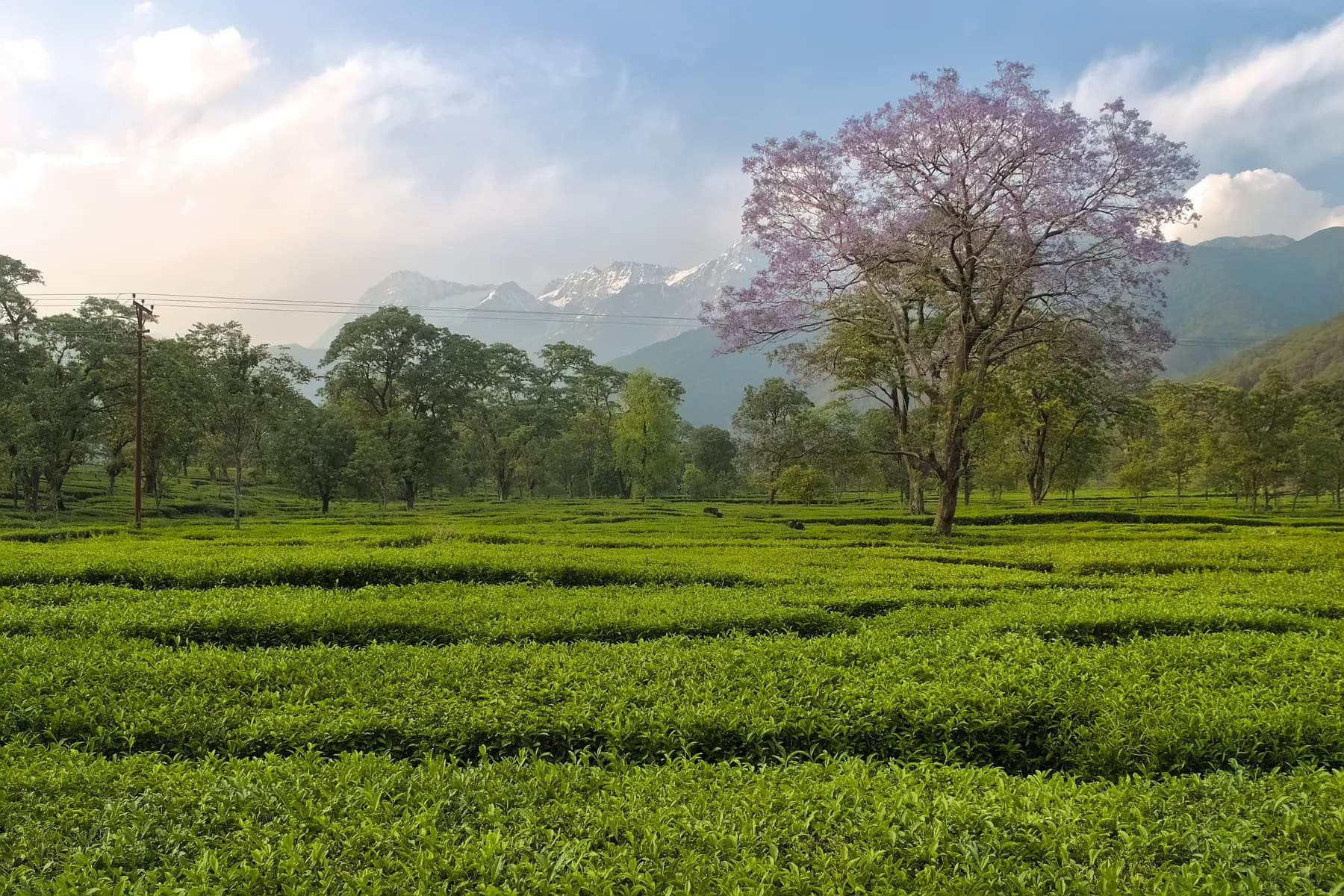
For a collection-based art visit in Dharamshala, Kangra Art Museum has miniature paintings and regional craft objects. If your trip also includes Palampur, you can set aside time for a Kangra tea tasting.
Photograph: Norbulingka Institute's water garden, taken by Dainis Matisons on 22 November 2008. Original photographer's page and Wikimedia Commons file. Resized and converted to WebP for 2050 XP under CC BY 2.0.