Thukpa Can Mean More Than One Kind of Noodle Soup
By 2050 XP · · 2 min read
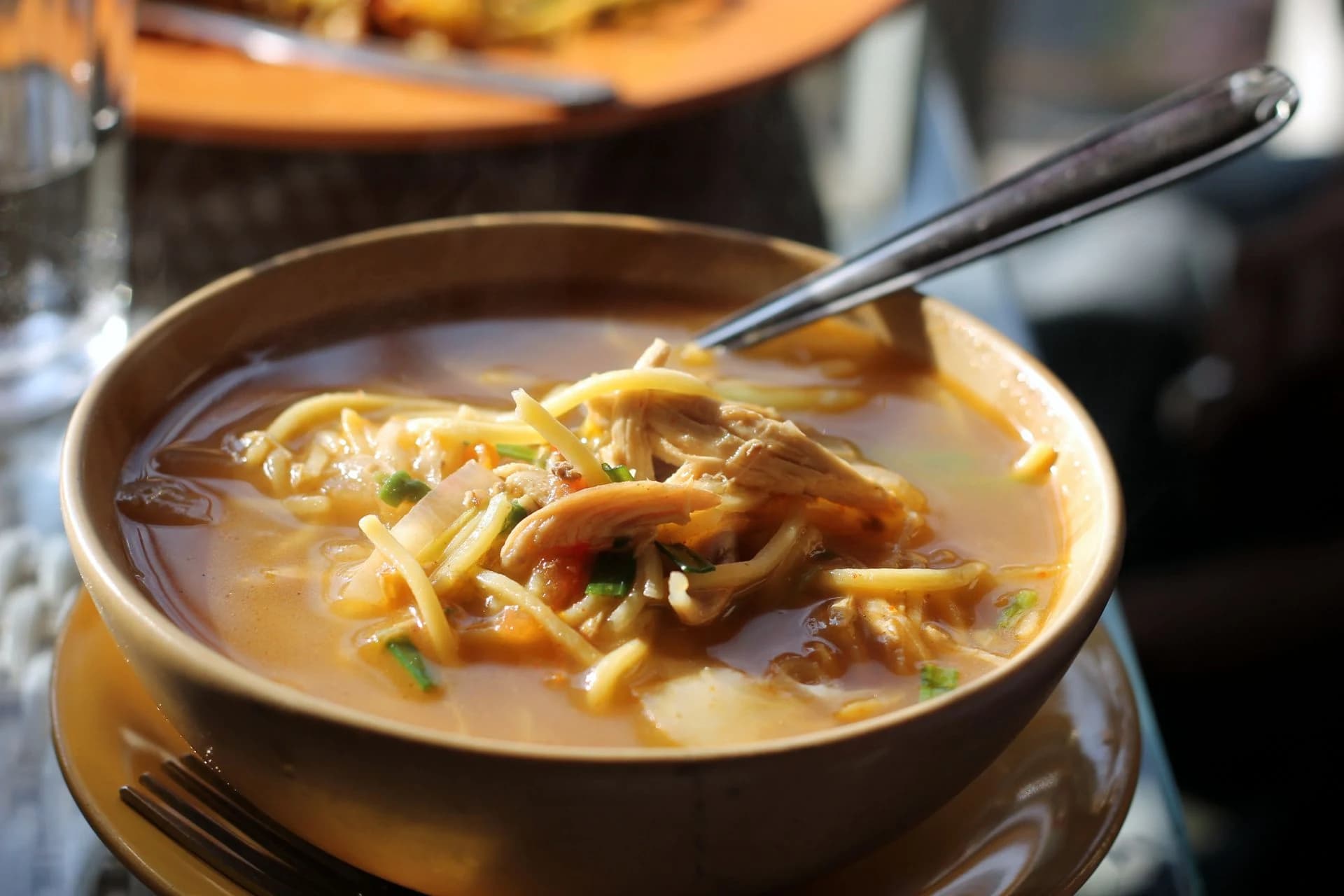
Photograph: Arunabha.Goswami / CC BY-SA 4.0 / Sikkim, 2014
Thukpa is a broad name for Tibetan noodle soups, not a promise of one particular noodle shape. Thenthuk is one kind of thukpa, made with flat pieces of dough pulled or torn by hand. Keep that distinction in mind when choosing a bowl at a Tibetan restaurant in McLeod Ganj, in Dharamshala.
If both names appear separately on a menu, ask which noodles the kitchen uses for each. That question tells you more about what will arrive than assuming that every bowl labelled thukpa contains thin, long noodles.
Thenthuk has flat, hand-pulled noodle pieces
Thenthuk, pronounced roughly ten-took, is made by pulling pieces from prepared flour dough into the broth. The pieces are flat and can have irregular edges. Here, hand-pulled does not necessarily mean long strands stretched across a cook's hands.
The dough cooks in the soup. It is not a wrapper folded around a filling, as with a momo, the Tibetan dumpling. If you want to try these flat pieces, ask for thenthuk and confirm that it is the hand-pulled version.
There is no need to treat thukpa and thenthuk as competing claims to authenticity. Thenthuk belongs within the wider noodle-soup family, even when a restaurant lists it under its own name. Meat and vegetarian versions both exist; the noodle shape alone does not tell you the rest of the recipe.
The opening photograph shows a bowl of thukpa with long noodles, photographed in Sikkim in 2014. It illustrates that noodle style, not thenthuk or a particular McLeod Ganj restaurant's serving.
Ask about the noodles and broth separately
Start with the part you most want to eat: long noodles or flat, hand-pulled pieces. Then ask about the stock, which is the liquid used to make the broth, and any meat or vegetables added to it. A photograph of vegetables on top cannot tell you what was used in the stock.
If you avoid egg, ask about the noodles themselves as well as any egg topping. For a vegetarian bowl, ask the kitchen to confirm the stock and other ingredients rather than relying only on the dish's name.
Seasoning varies too. If you prefer less chilli, say so when ordering, and taste the broth before adding a sauce from the table. Do not expect the colour of the soup to tell you exactly how it will taste.
Finally, ask about the bowl size before adding several side dishes. Noodles, broth and toppings arrive together, but the portion is a kitchen's choice, not something the word thukpa fixes.
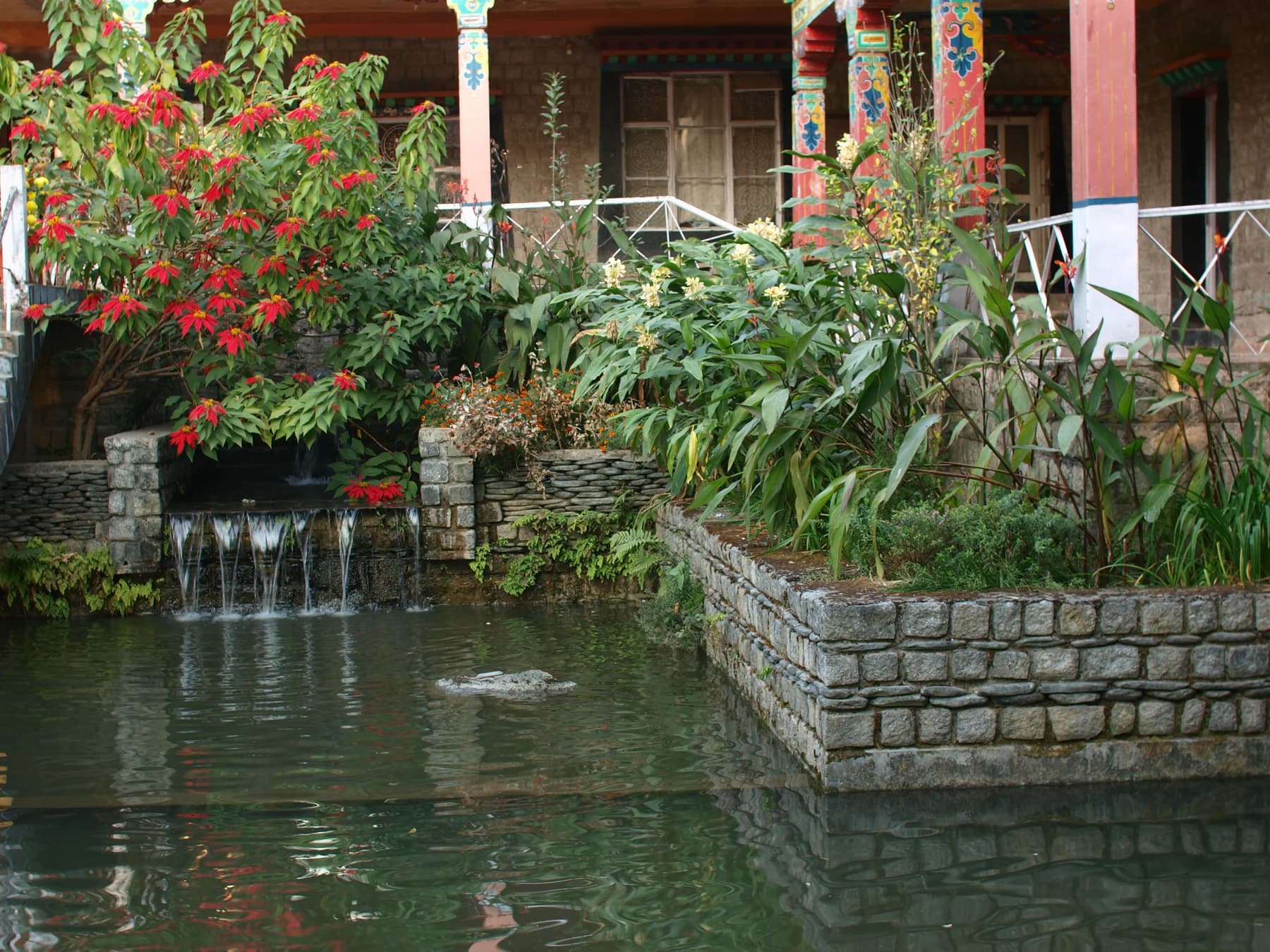
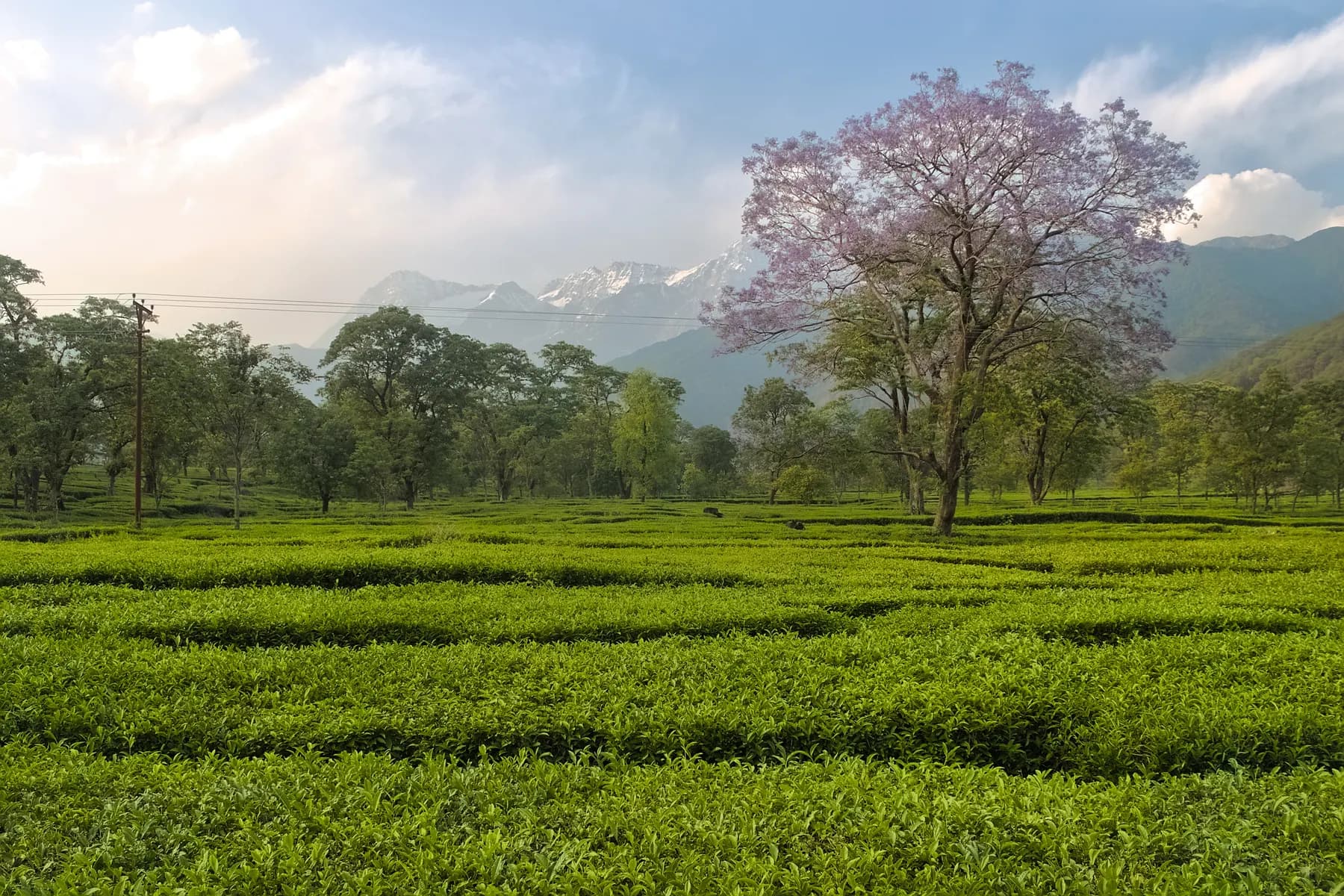
For more Tibetan culture during a Dharamshala stay, Norbulingka Institute in Sidhpur introduces painting, silk work and carving. Sidhpur is separate from McLeod Ganj. If you also visit Palampur, a Kangra tea tasting offers a chance to compare black and green tea.
Photograph: A bowl of Thukpa by Arunabha.Goswami, taken in Sikkim on 27 December 2014. Converted to WebP for 2050 XP; the opening view is cropped to fit the page. The photograph and this adaptation are shared under CC BY-SA 4.0.