The Kangra Valley Railway Began with a Power Station
By 2050 XP · · 4 min read
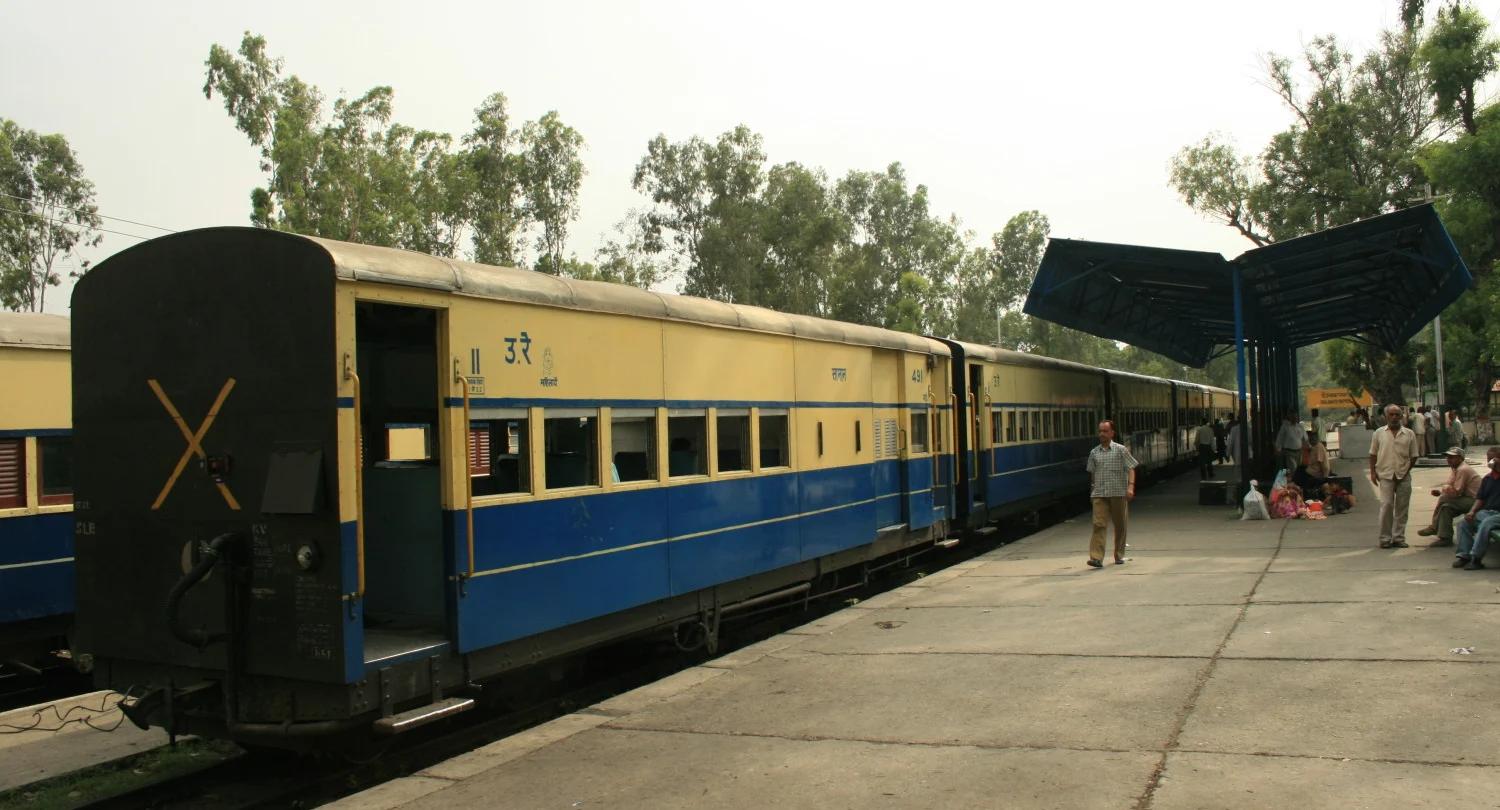
Photograph: GKarunakar / Wikimedia Commons / CC BY-SA 3.0
The Kangra Valley Railway opened to carry freight for a power project. In late 1928, wagons brought supplies towards Shanan, near Joginder Nagar, where a station was being built to turn the water of the Uhl into electricity. Passengers began using the railway the following April. Decades later, water would change the course of the line again, this time at Pong Dam.
Water at Barot, freight from Pathankot
Water for the turbines at Shanan comes from the river works upstream at Barot. It drops from the hills towards the power station. The builders brought materials in from another direction, across Kangra from the plains at Pathankot. By the time the power station was inaugurated in 1933, passengers had been using the railway for nearly four years.
The rails sit closer together than on India's broad-gauge main lines. The small engines needed gentle climbs, so the railway took a longer course to the south where it could climb more gradually. It still needed two tunnels. The approach helps explain why a line with a power station at the far end winds through so many towns on the way there.
When the Beas covered the old route
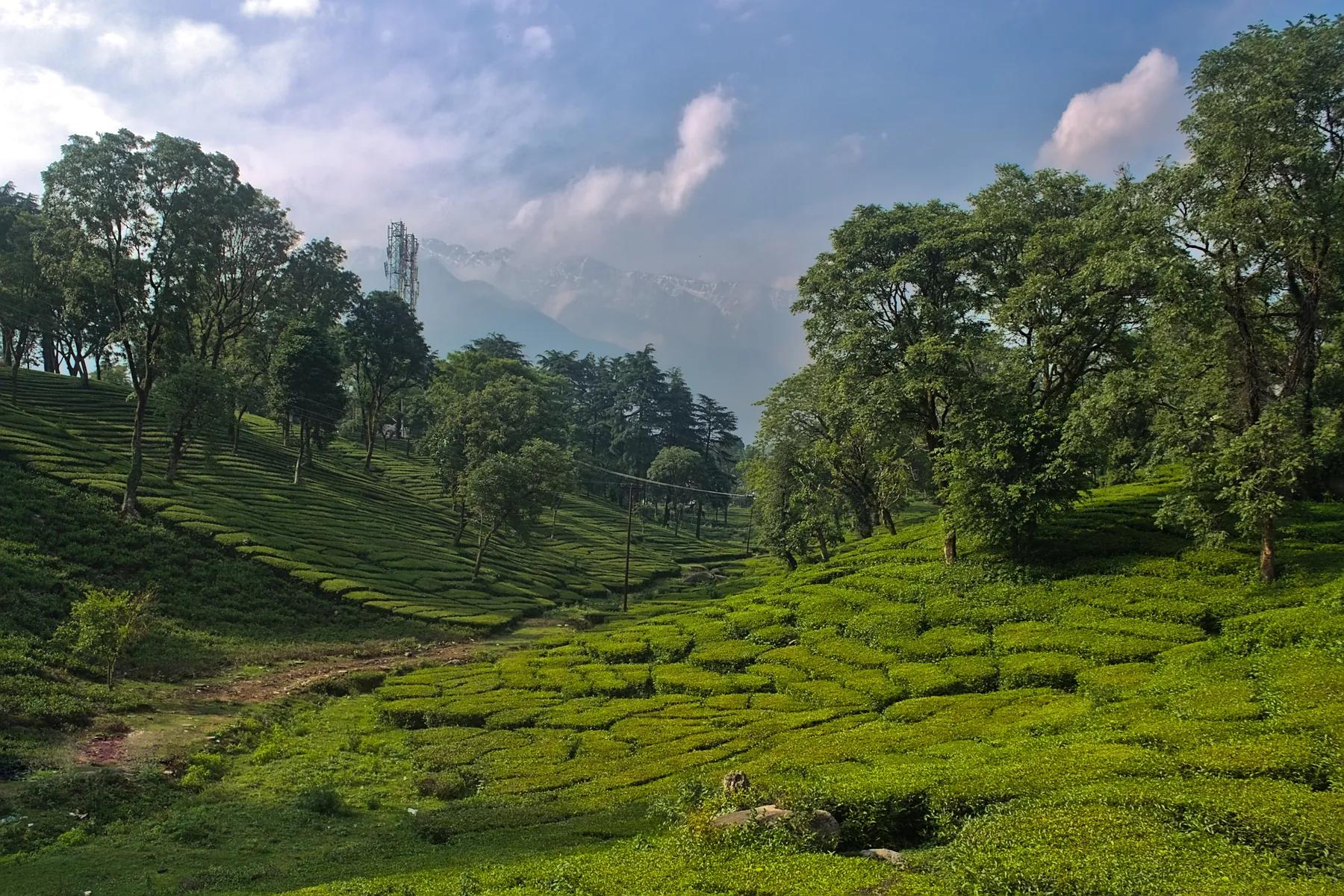
From Pathankot Junction in Punjab, the railway reaches Guler before continuing to Kangra and the tea country around Palampur. The stretch into Guler has a different history from the rest. When Pong Dam held back the Beas in the 1970s, the reservoir rose across the tracks between Jawanwala Shahr and Guler. The old stretch closed in 1973. Three years later, tracks on higher ground along the eastern shore linked the two stations again.
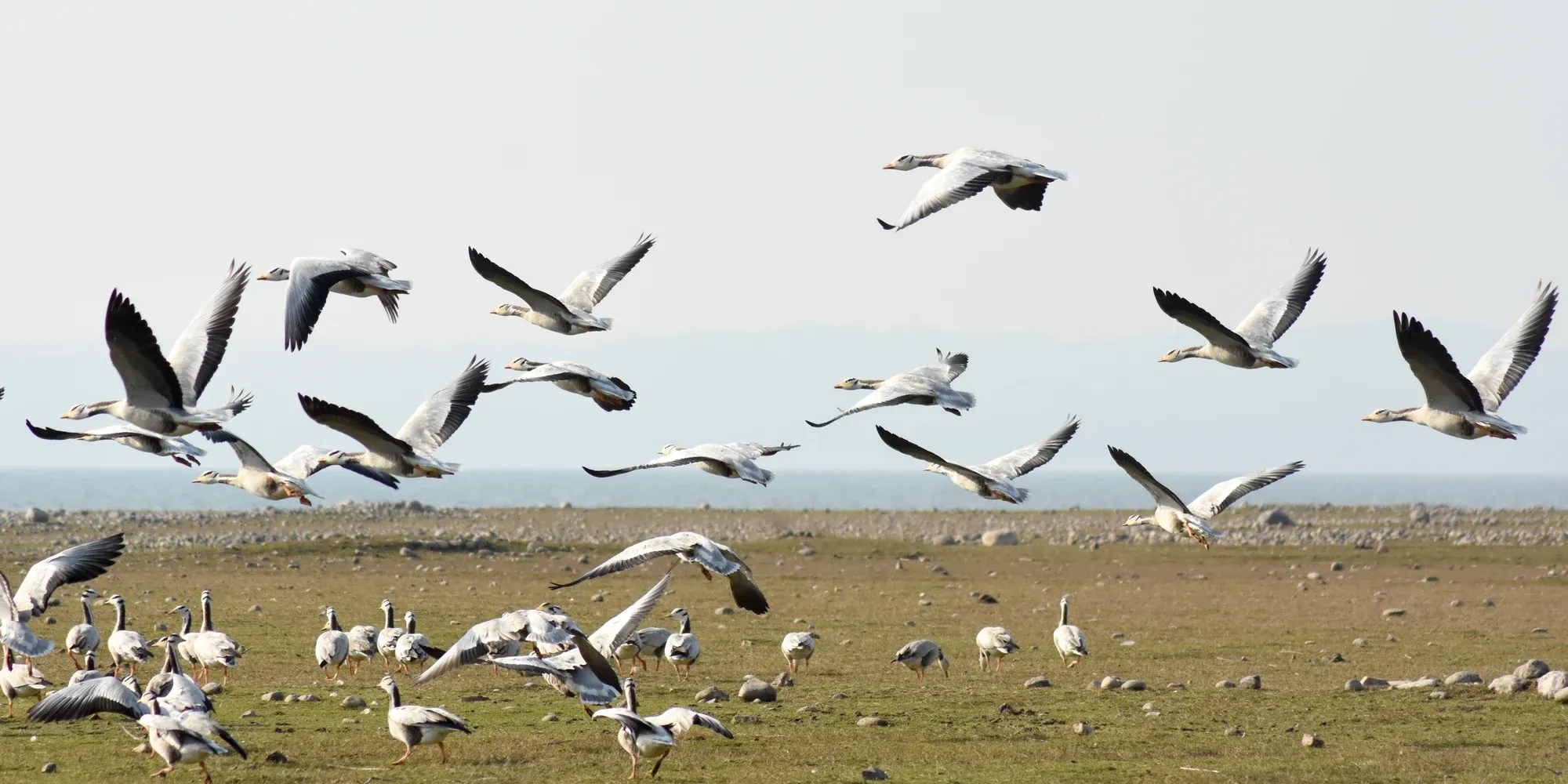
That bend around the lake and the exposed flats where birds feed at Pong in winter are two traces of the same change.
The highest point comes after Baijnath Paprola
Baijnath Paprola is the station name. If you are looking for the stone Shiva temple in neighbouring Baijnath, look for the temple itself on your map. From the station shown in the opening photograph, the line continues to Ahju, its highest point. The last stretch runs downhill to Joginder Nagar.
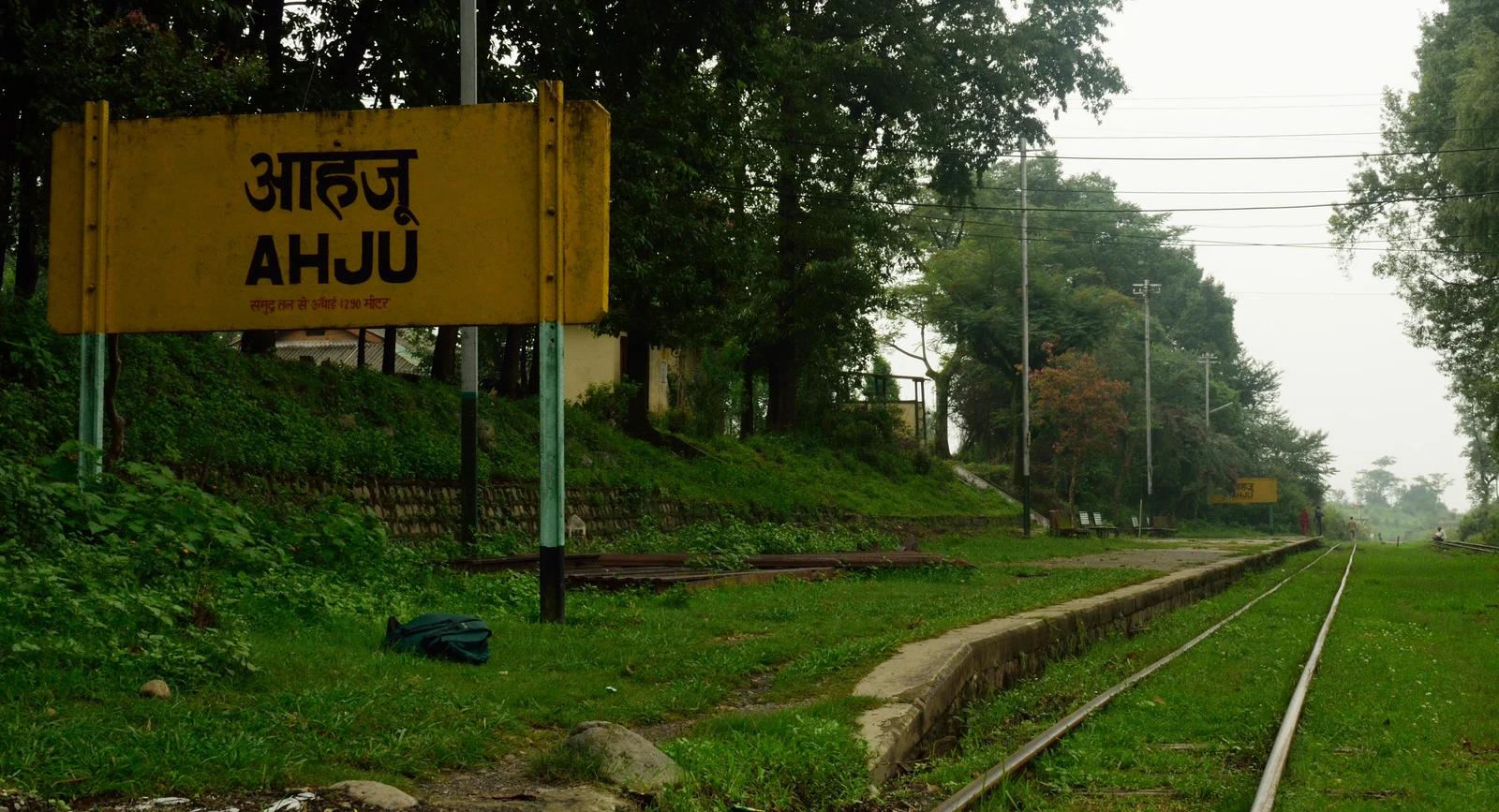
If you spend time by the Uhl at Barot, you'll be upstream of the power station that gave the railway its purpose. Following the tracks and following the river tell two different halves of the Shanan story.
Frequently asked questions
Is this the Kalka to Shimla toy train?
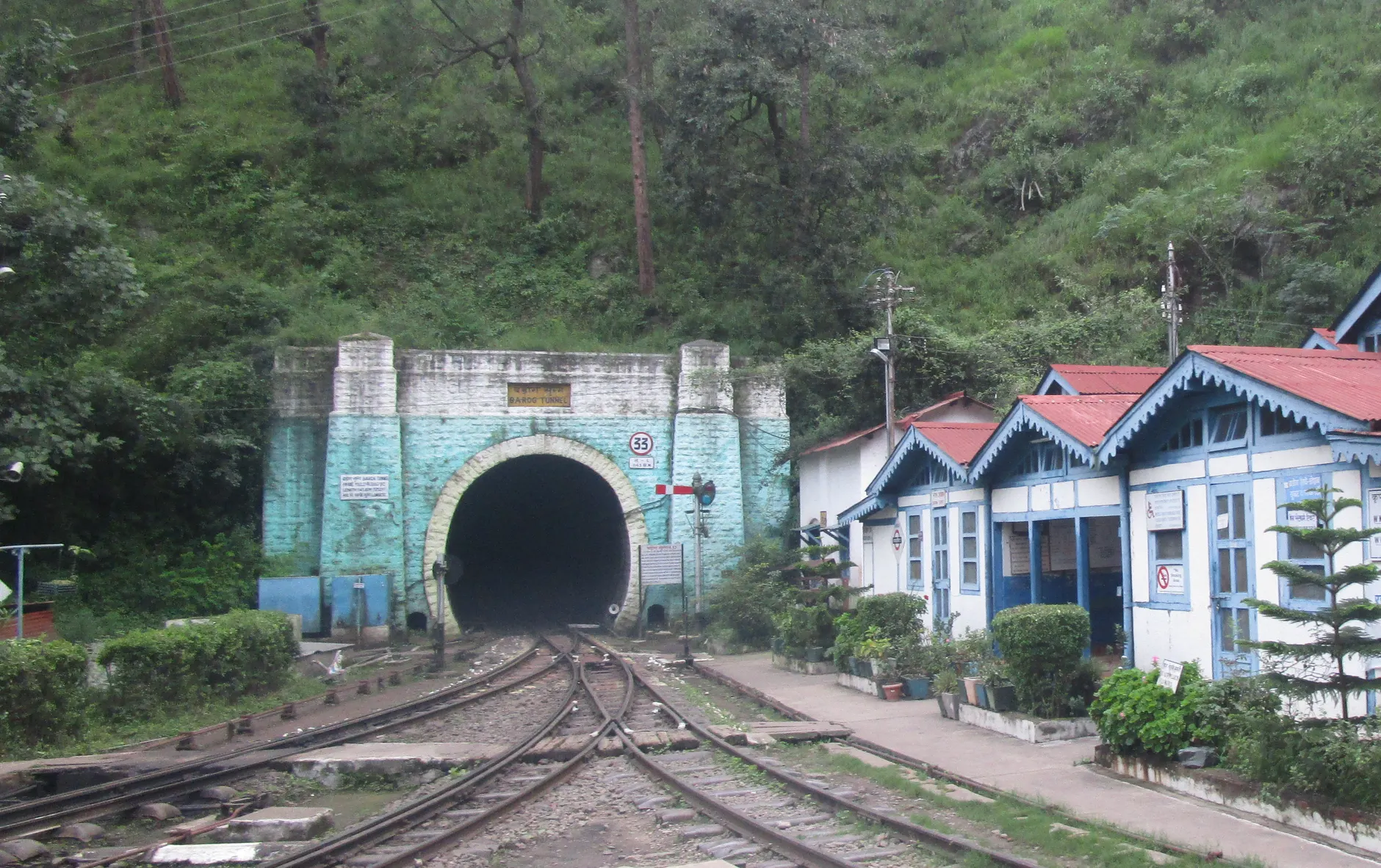
The Kalka to Shimla railway runs through Barog and climbs to Shimla. The Kangra Valley Railway starts at Pathankot Junction and runs east to Joginder Nagar. Both are narrow-gauge lines, with separate routes.
Opening photograph: Baijnath Paprola station by GKarunakar, uploaded in 2011. Cropped, resized and converted to WebP under CC BY-SA 3.0.