Shri Raghunath Temple in Sultanpur, Kullu
By 2050 XP · · 3 min read
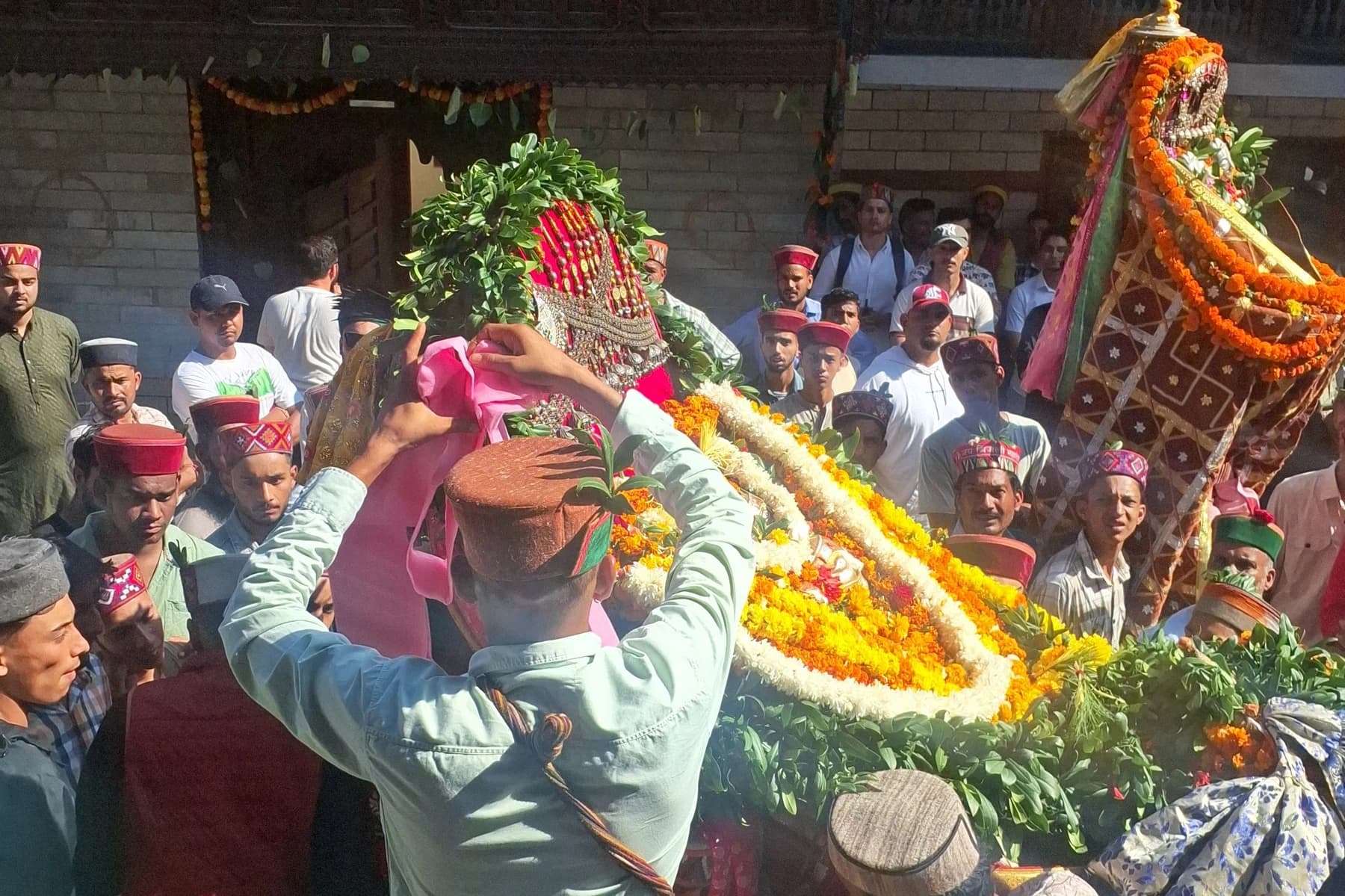
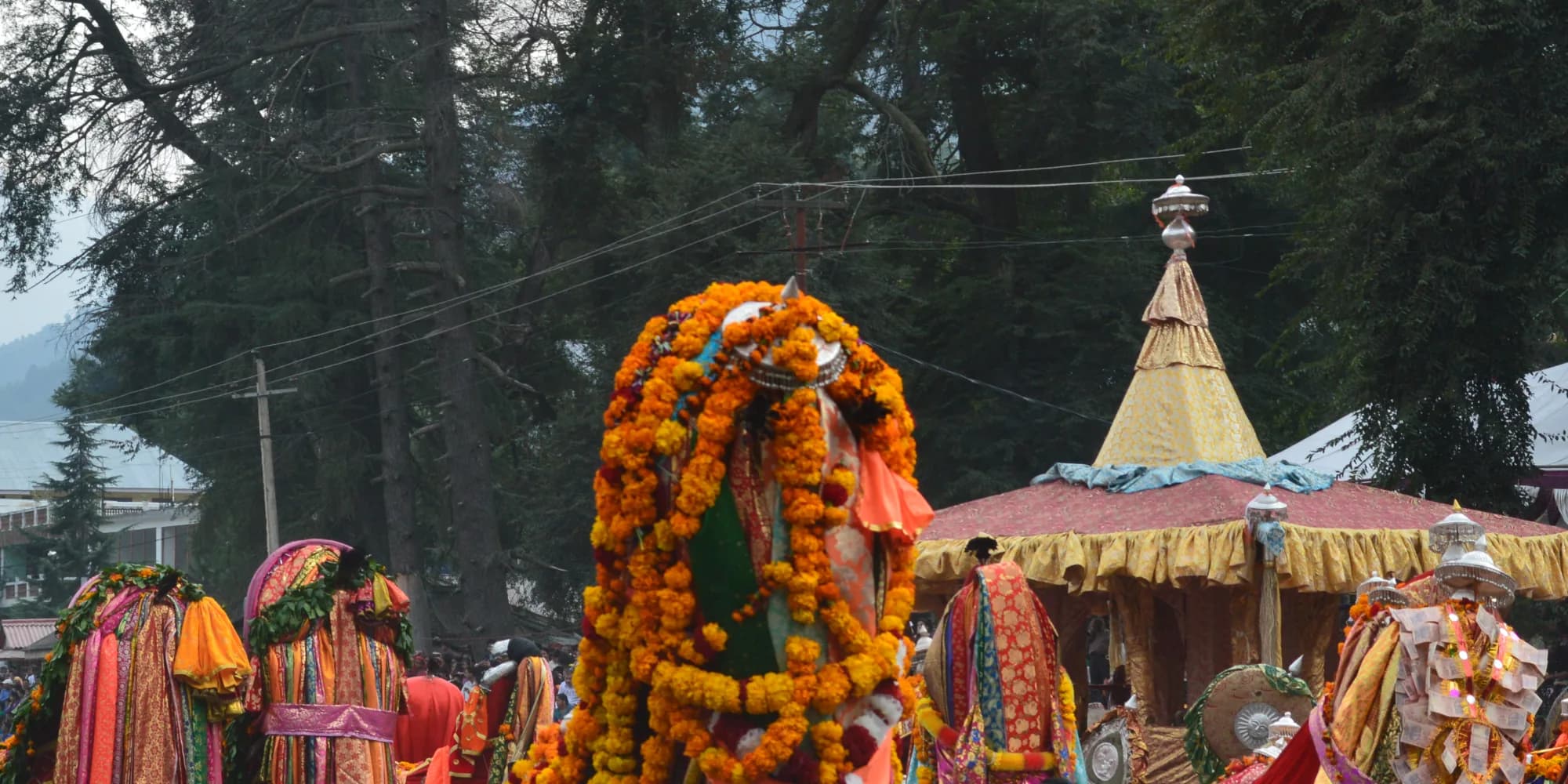
Photograph: Himalayanvision / Wikimedia Commons / CC BY-SA 4.0; cropped
Shri Raghunath Temple is in Sultanpur, within Kullu town. It honours Lord Rama as Raghunath, the principal deity of the Kullu Valley. Come here for darshan, the devotional act of seeing and paying reverence to the deity, and to understand the faith at the centre of Kullu's Dussehra celebrations.
The temple's Sultanpur address is different from Dhalpur, where the festival's chariot celebrations take place. If you are travelling specifically for worship, name the temple when arranging your journey rather than asking only for the Dussehra grounds. Explore Sultanpur and Dhalpur in Kullu if you are planning more time in town around your temple visit.
Lord Raghunath and Raja Jagat Singh
The temple's history is closely connected with Raja Jagat Singh, who ruled Kullu in the seventeenth century. It was Raja Jagat Singh who moved Kullu's royal seat from Naggar to Sultanpur. During his reign, the image of Lord Raghunath was brought from Ayodhya. The king placed the deity on the throne and took the position of a servant; Kullu's rulers subsequently governed in Raghunath's name.
That relationship between the rulers and Lord Raghunath helps explain the deity's importance across the valley. The Sultanpur temple remains a place of worship throughout the year.
Darshan at the Sultanpur temple
If you would like to attend aarti, the worship offered with light, ask the temple attendants about the arrangements for your date. Confirm darshan availability too, especially before making a separate journey from Manali. This helps avoid arriving when the worship you hoped to attend has already finished.
There is also a small shrine dedicated to Lord Shiva in the courtyard. If you wish to pay your respects there, ask the attendants where to go. Before entering a worship area, check where footwear should be left and whether photography is welcome. Photography permission may differ between the courtyard and the shrine.
Keep the passage clear for devotees. A photograph can wait if someone is offering prayers; ask permission before photographing people closely.
Sultanpur temple and the Dhalpur celebrations
During Dussehra, visiting deities from across Kullu come to pay homage to Lord Raghunath at Sultanpur. The chariot procession and gathering at Dhalpur are part of the wider celebration, not another name for the temple courtyard.
For the procession and festival grounds, use our Kullu Dussehra experience, which covers the festival visit and parking considerations. If your priority is darshan at the Sultanpur temple, ask about that visit specifically rather than assuming a festival outing will include it.
If you are coming from Manali, our Manali to Kullu town journey explains the town arrival. Tell your driver or conductor that you want Shri Raghunath Temple in Sultanpur, then confirm the final drop and meeting point. Kullu town, the temple and a festival parking area are not interchangeable destinations.
Frequently asked questions
Is Shri Raghunath Temple in Dhalpur?
The temple is in Sultanpur, within Kullu town. Dhalpur is the festival-ground setting associated with Kullu Dussehra. Name the Sultanpur temple when arranging a visit for darshan.
Who is Lord Raghunath?
Raghunath is Lord Rama, revered as the principal deity of the Kullu Valley. The temple's history is connected with Raja Jagat Singh, who ruled in the seventeenth century.
How can I check the aarti time?
Ask the temple attendants about aarti and darshan arrangements for your intended date. Confirm before making a separate journey for worship; a time mentioned in someone else's visit account may not apply to yours.
Photograph: a Dussehra visit to Lord Raghunath in Kullu, by Himalayanvision, photographed on 2 October 2025. It shows visiting deity palanquins and devotees during the festival, not an everyday temple scene. Cropped, resized and converted to WebP by 2050 XP. The photograph and this adaptation are available under CC BY-SA 4.0.