Kullu - Dussehra, Shawls and the Town beside the Beas
By 2050 XP · · 3 min read
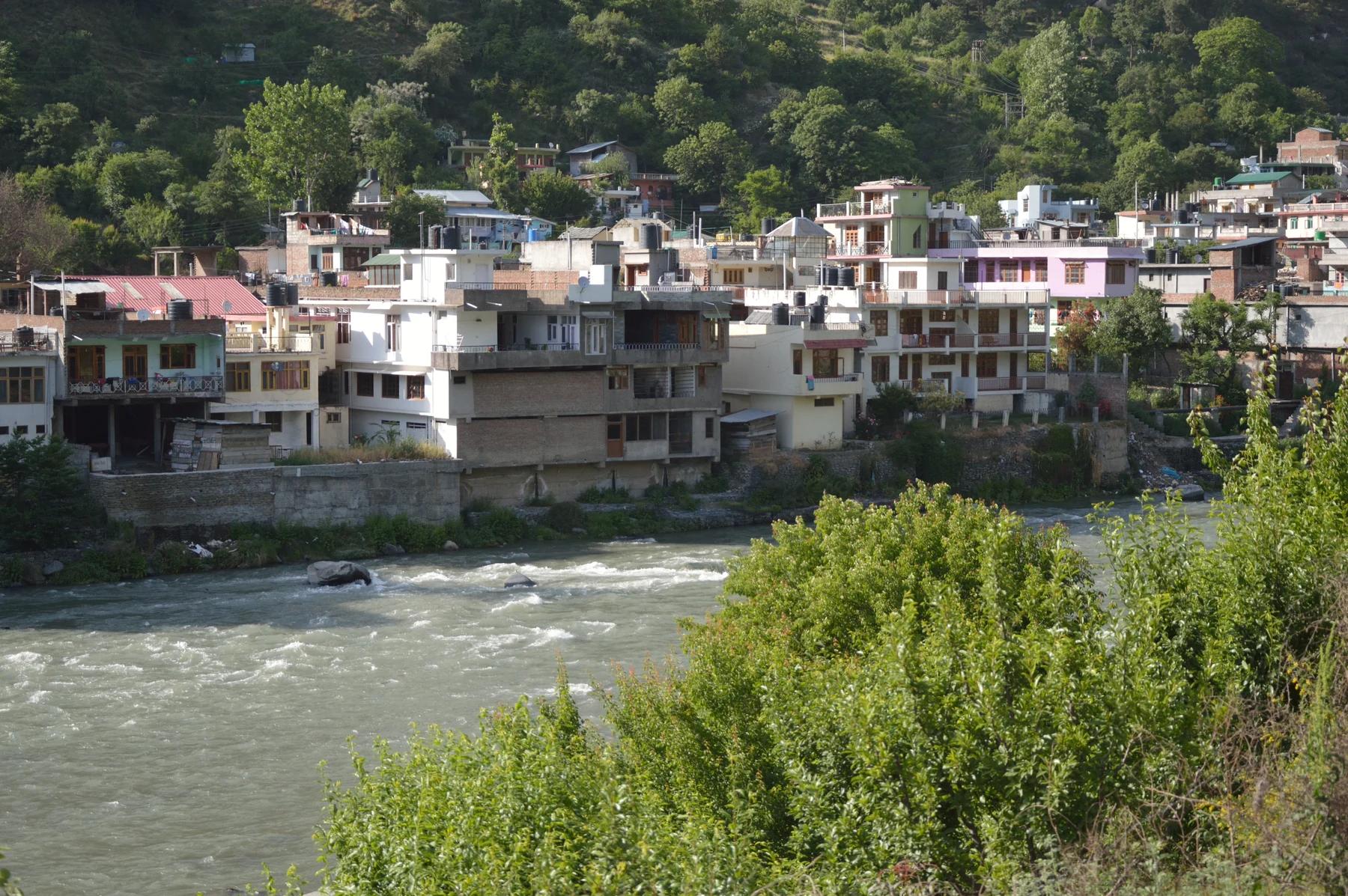
Photograph: Biswarup Ganguly / CC BY 3.0; resized
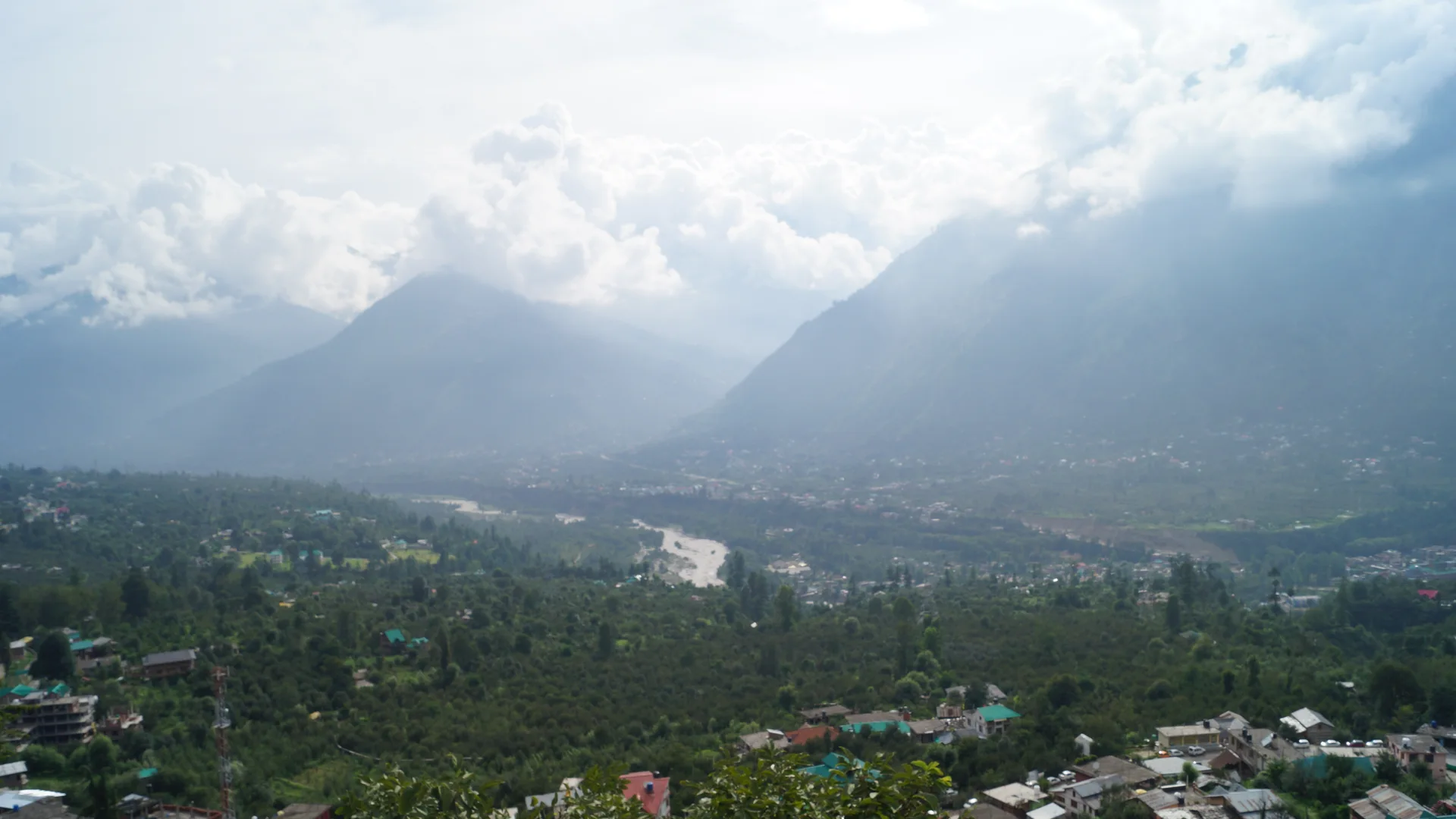
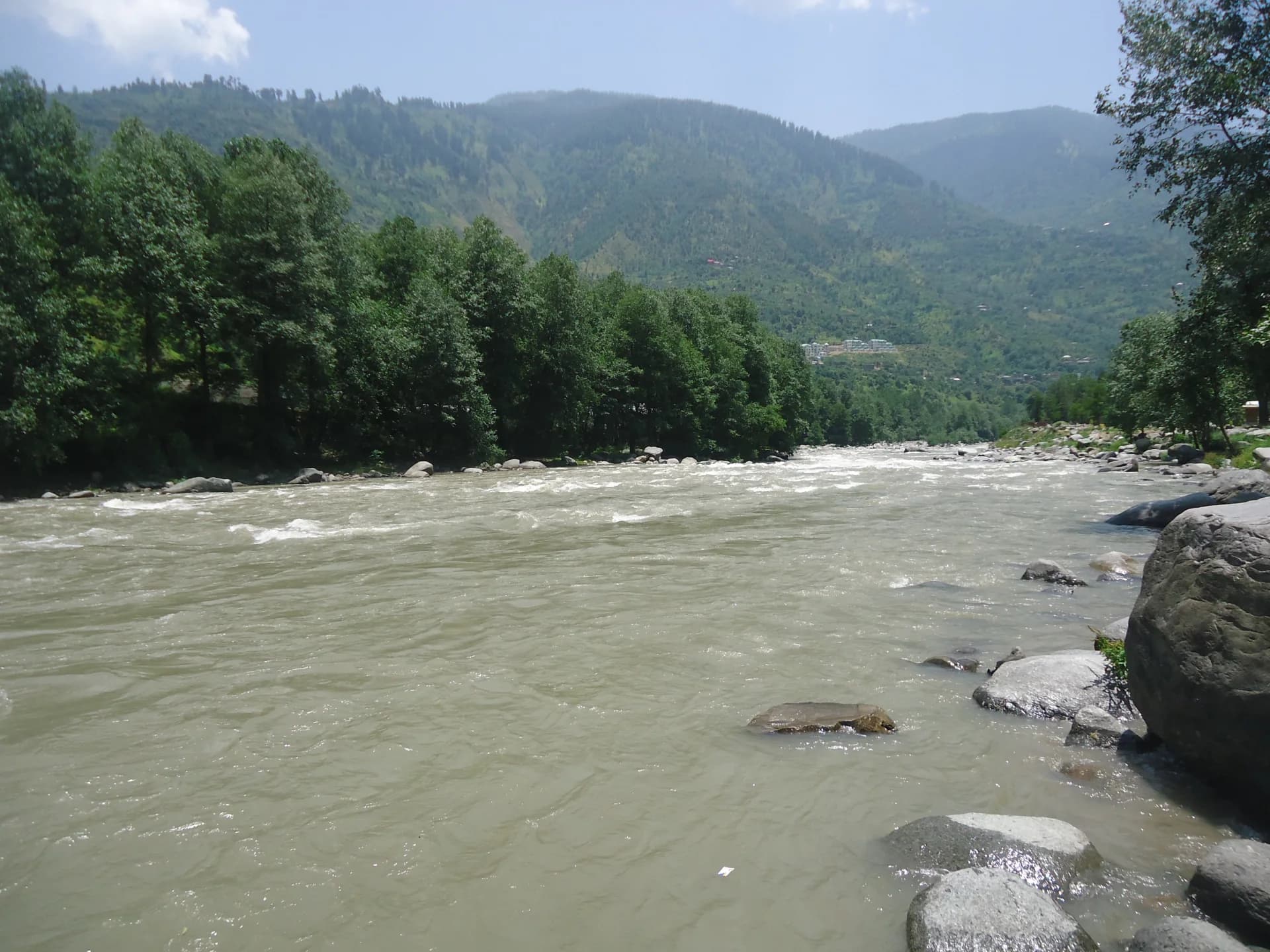
Kullu is a town beside the Beas River and the headquarters of Kullu district. It has its own identity, separate from Manali: Shri Raghunath Temple in Sultanpur, the Dussehra grounds at Dhalpur and the wool weaving associated with the surrounding valley are good places to begin understanding it.
The town within the wider Kullu Valley
The name Kullu can mean the town, the valley or the district. That is why a list of places to see in Kullu may include Manali, Naggar and destinations well beyond the town itself. They belong to the wider region, but they are separate visits.
For the town, keep Sultanpur and Dhalpur in mind. These names give you more useful points of reference than a broad Kullu-Manali label. If you are arriving from Manali, our guide to the journey into Kullu town explains the bus and car considerations separately.
Sultanpur and the faith at the centre of Dussehra
Sultanpur is associated with Kullu's former royal seat. Raja Jagat Singh moved the capital here from Naggar in the seventeenth century, and Lord Raghunath became central to the kingdom's religious life.
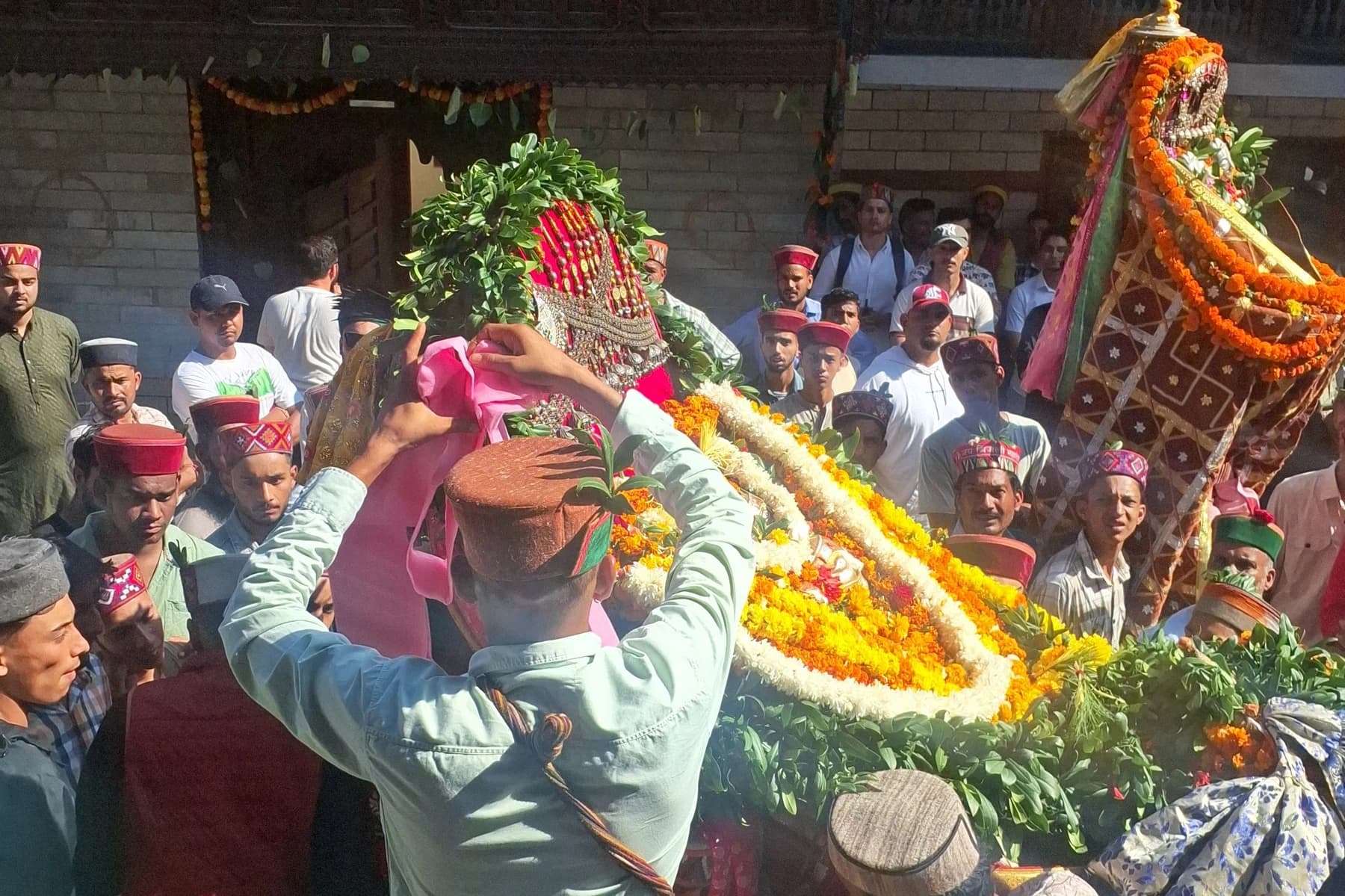
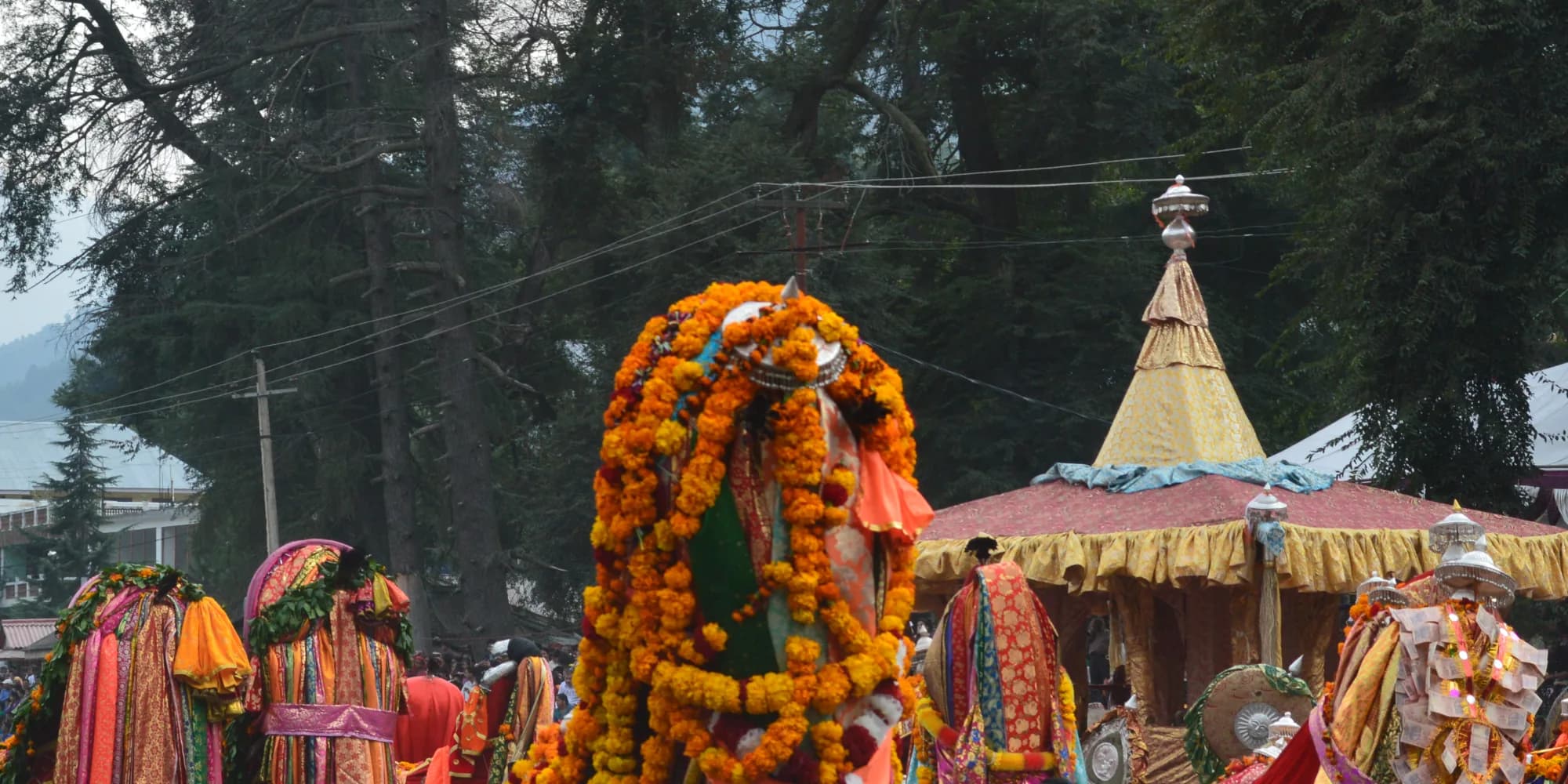
Shri Raghunath Temple honours Lord Rama as Raghunath, the principal deity of the Kullu Valley. Knowing that connection gives the town's best-known festival more meaning: the gathering is closely tied to the reverence offered to Lord Raghunath by deities from across the district.
The temple's Sultanpur address and the Dhalpur grounds are different places. Choose the temple article if your interest is darshan, the devotional act of seeing and paying reverence to the deity. For the wider gathering, read about Kullu Dussehra at Dhalpur. A festival photograph does not describe what you will find at the grounds on another date.
Shawls and the valley's woven borders
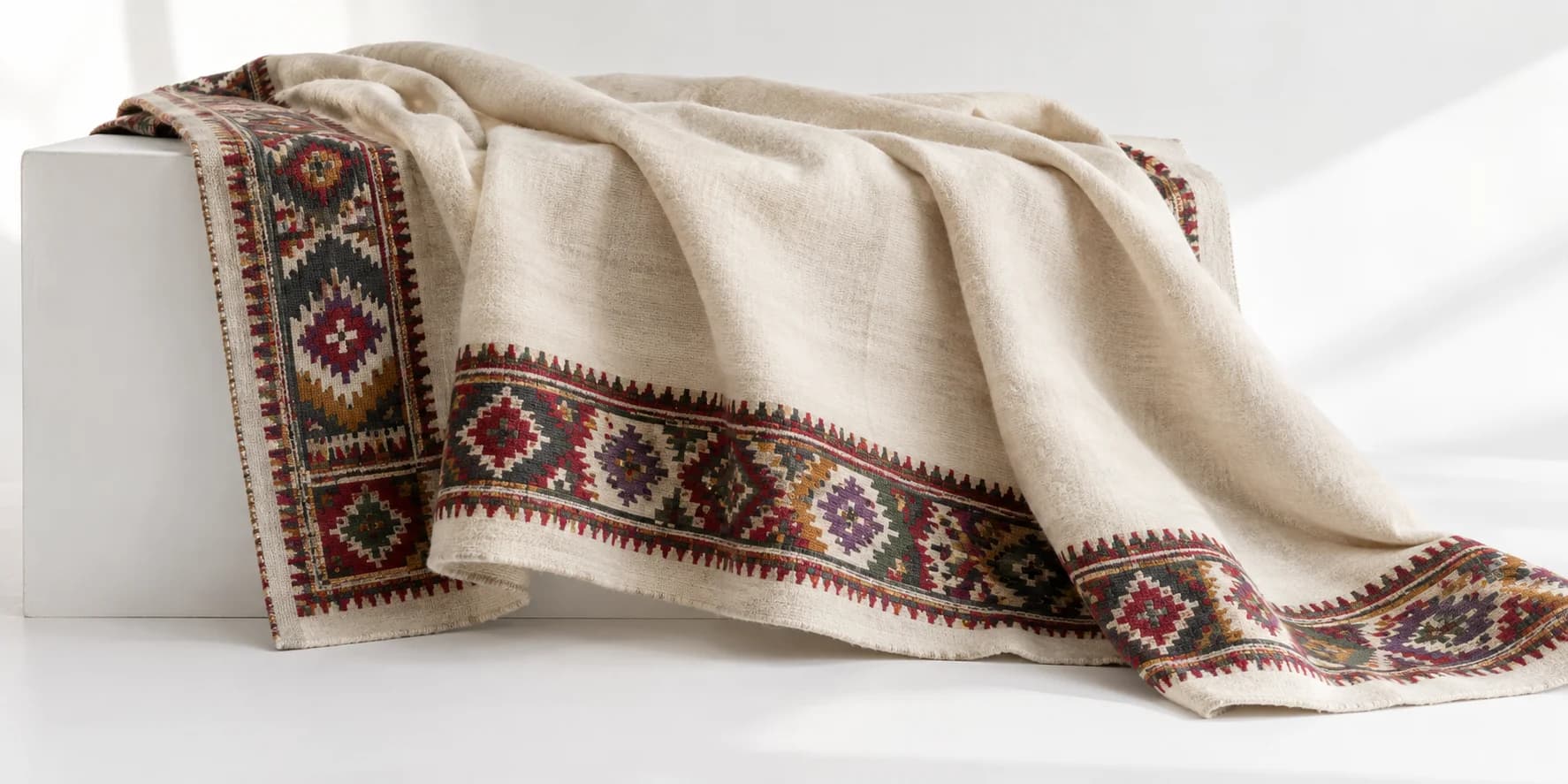
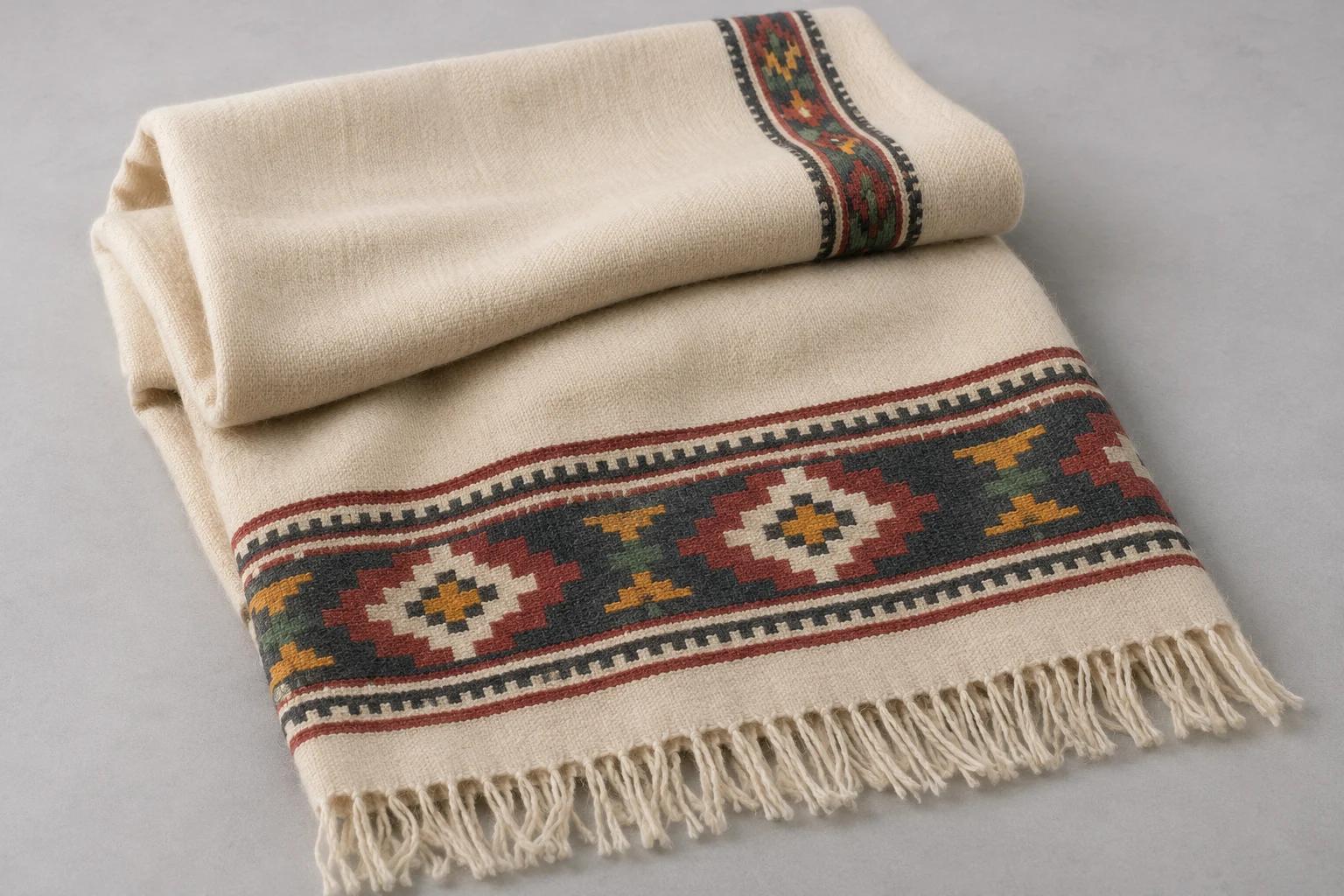
Wool weaving is another part of Kullu's regional identity. The valley's handloom tradition includes shawls with patterned borders, as well as garments worn locally. A useful question when looking at cloth is which garment it is intended to be, rather than assuming every patterned wrap is a shawl.
Kullvi pattu, for example, is a woollen wrap associated with women's dress. It is worn around the body and differs from a shawl placed over the shoulders. Our closer look at pattu explains what distinguishes this wrap from a shoulder shawl.
If you are considering a shawl to take home, our guide to choosing a Kullu shawl separates questions about the fibre, the maker and handweaving, so the patterned border is one part of an informed choice.
Naggar and Manali are separate places
Kullu's town story connects with Naggar's temples and Himalayan art, but Naggar is its own settlement and former capital. Treat it as another place to explore, rather than another stop inside Kullu town.
The same applies to Manali. If your plans are centred on Manali's deodar woods, temples and riverside setting, keep those plans attached to Manali. Kullu town adds a different view of the valley through its religious history, festival grounds and weaving traditions.
Frequently asked questions
Is Kullu the same place as Manali?
No. They are separate towns in Kullu district. Kullu is the district headquarters beside the Beas; Manali lies farther north. Check the actual town and address when a journey or accommodation listing uses the combined name Kullu-Manali.
Is Shri Raghunath Temple at the Dhalpur grounds?
The temple is in Sultanpur. Dhalpur is the festival-ground setting associated with Kullu Dussehra, so the two names should not be used interchangeably when arranging a visit.
What is Kullu town known for besides its river setting?
Its association with Lord Raghunath and Kullu Dussehra is central to the town's identity. The surrounding valley is also known for handloom weaving, particularly its shawls and patterned woollen cloth.
For a separate temple visit beyond Kullu town, Basheshwar Mahadev Temple in Bajaura has carved stonework to look at. Bajaura is a different settlement, so use its own location when planning the outing.
Photograph: Kullu townscape with the Beas River, taken on 9 May 2014 by Biswarup Ganguly. Resized and converted to WebP for 2050 XP under CC BY 3.0; the displayed view is cropped to fit the page. It shows the riverside town in 2014.