Siddu on a Himachal Menu
By 2050 XP · · 3 min read
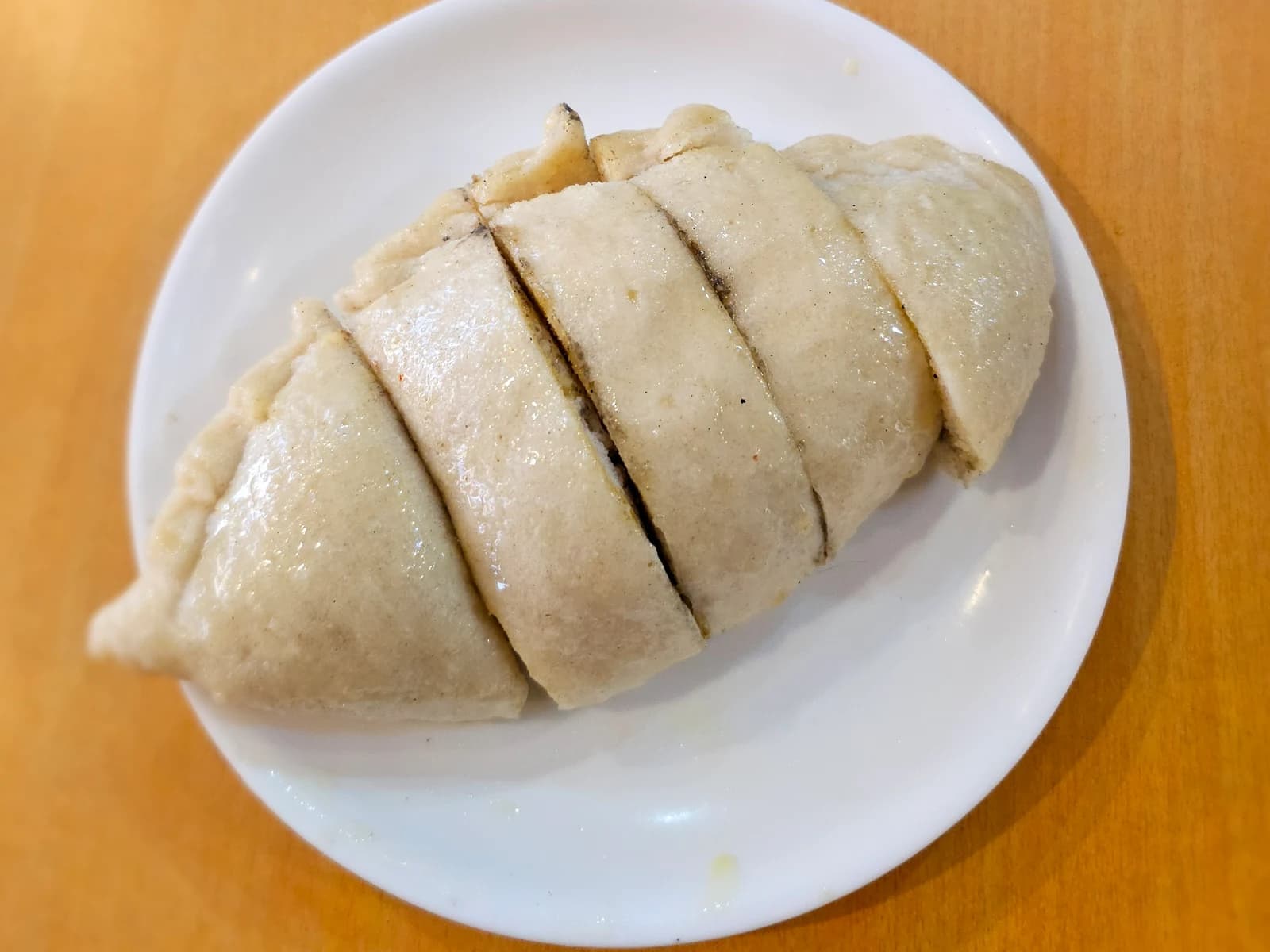
Photograph: Gannu03 / CC BY-SA 4.0
Siddu is a steamed Himachali bread with the filling sealed inside. The wheat dough rises before it goes into the steamer, so you get a thick, soft bread around a centre that could be made with lentils, walnuts or poppy seeds. A sweet filling changes the plate completely. It is worth knowing which kind you are ordering.
How the filling changes from one kitchen to another
In Mandi town, look for dal-filled siddu. When you open it, the lentils are inside the bread. If you see “siddu with dal” on a menu, the dal may come in a bowl on the side.
Some households in Shimla district use ground poppy seeds. In Kullu villages, walnut paste is another traditional filling, and cooks can add green chilli and coriander to a savoury version. The difference can be as much about texture as taste: ground nuts give the soft bread a richer centre than a crumbly lentil stuffing.
For something sweet, look for a filling of coconut and jaggery, a combination made in Old Manali. The sweetness is inside the bread, so try it on its own before reaching for the ghee.
Start with a warm slice
When siddu is served sliced, you can see the bread and filling together in every piece. Try a slice on its own first. A little melted ghee brings out the filling, while a chilli chutney takes the same bite in a sharper direction. If the bread is part of a meal, dal alongside gives you something to dip the soft outer bread into.
Frequently asked questions
Is siddu the same as a steamed momo?
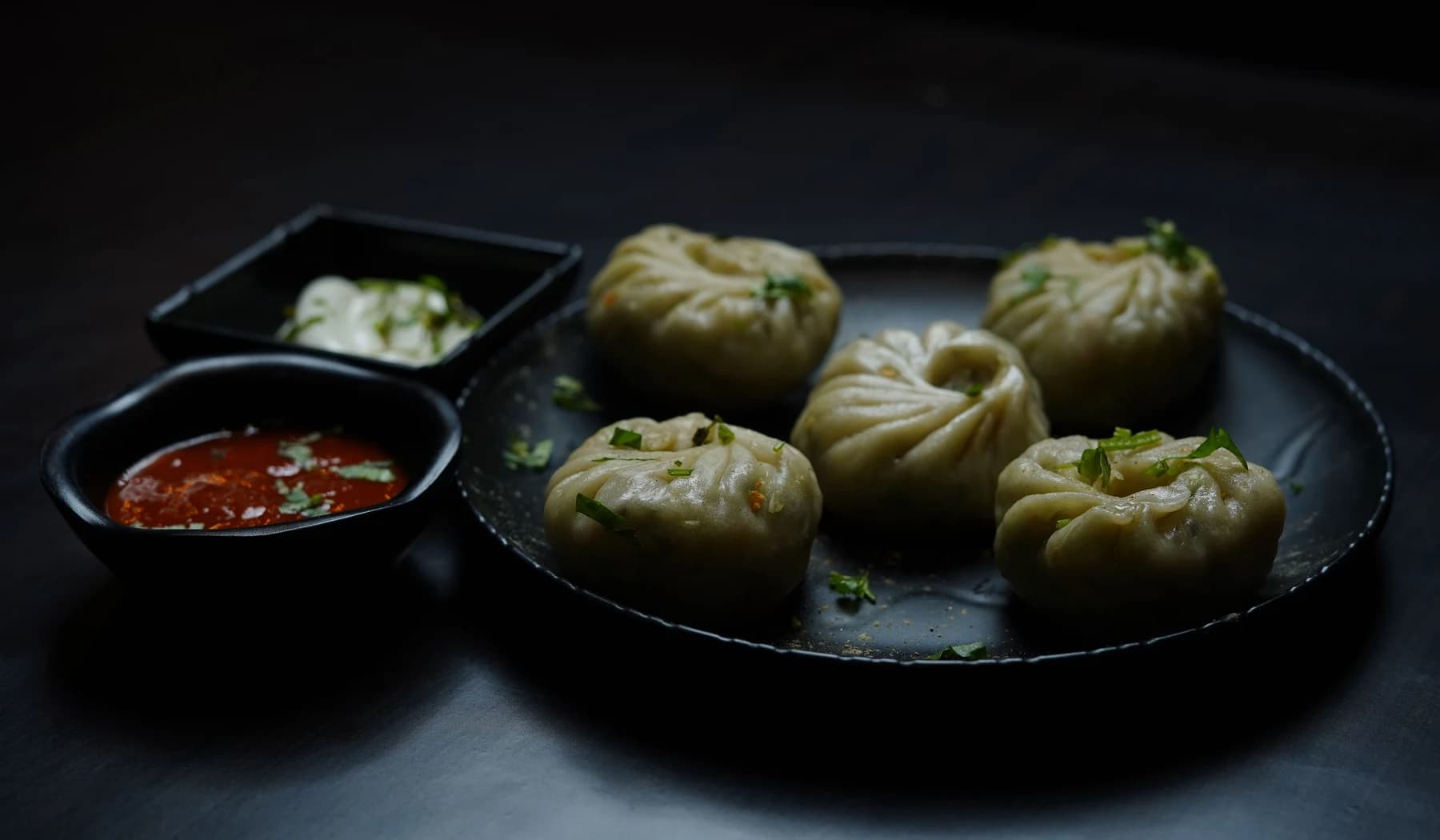
Both can be steamed with a filling. Siddu has a thicker bread dough that rises before cooking. A momo has a thin wrapper folded around its filling. Pick siddu if you want the bread to be as much a part of the dish as the centre.
Photograph: Siddu by Gannu03, 2 November 2024. Cropped, resized and converted to WebP under CC BY-SA 4.0.