Eating Vegan in Himachal When the Recipe Uses Ghee or Curd
By 2050 XP · · 4 min read
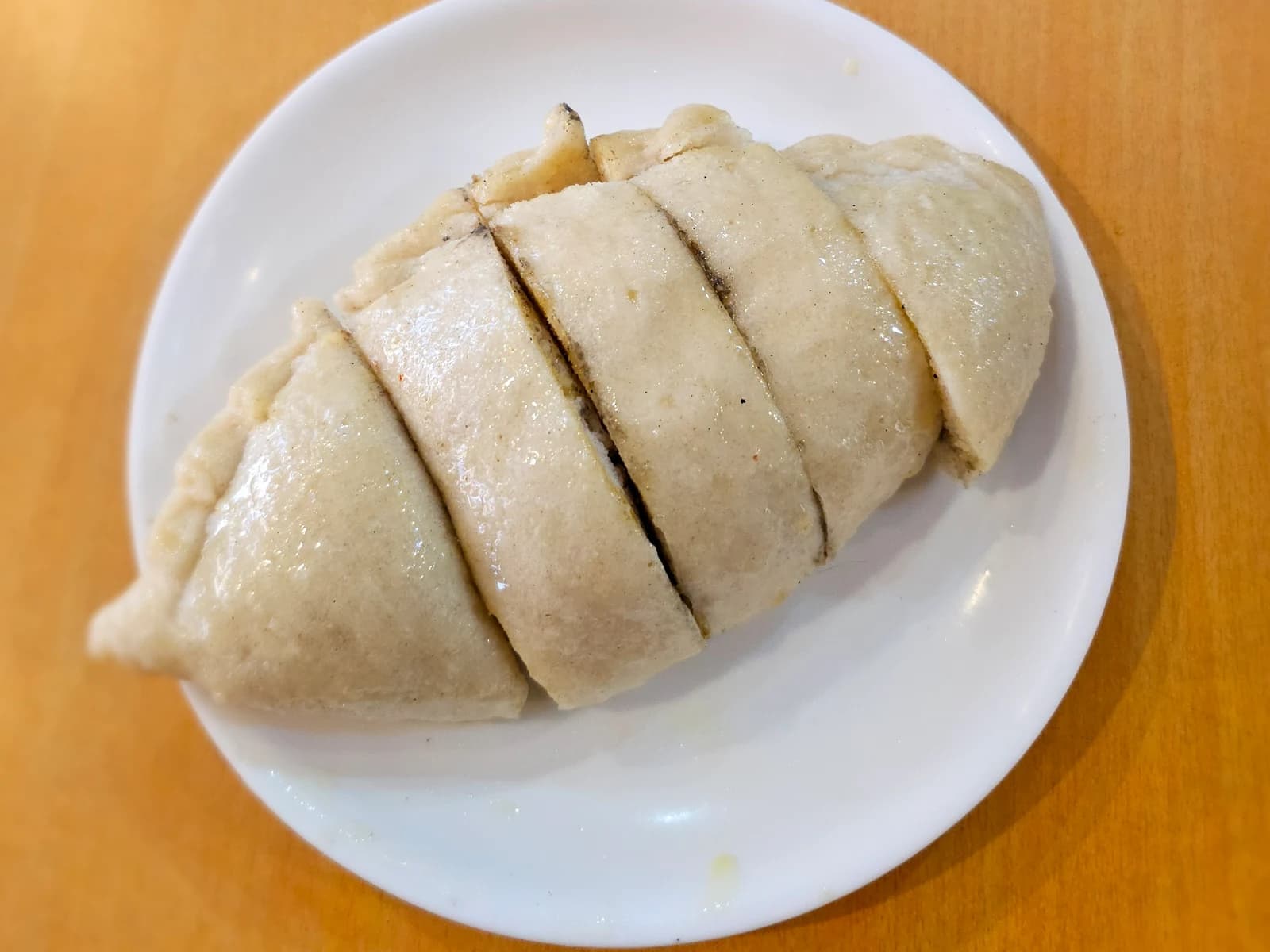
Photograph: Gannu03 / CC BY-SA 4.0 / Siddu; ingredients in this serving are not confirmed
Vegetarian food in Himachal can contain ghee, curd or butter, so a vegan meal needs an ingredient check before you order. A chickpea curry may have yoghurt cooked into its gravy; a steamed bread may arrive with ghee poured over it. Those need different conversations with the kitchen.
You can still look for regional food rather than ordering the same familiar meal throughout your trip. Start with how a dish is prepared, then ask whether the kitchen can make the version you need. A menu name or a photograph cannot settle that for you.
Explain the ingredients you do not eat
When ordering, explain that you do not eat meat, fish, eggs, milk, butter, ghee, curd, cream or paneer. If you also avoid honey, mention it when choosing drinks, breakfast or sweets. Saying only “vegetarian” leaves dairy unanswered.
You might ask: “Can you make this with vegetable oil, without ghee, butter, milk or curd?” Then ask whether any of those ingredients are already in the preparation. Give the person taking the order time to check with the cook rather than accepting a guess based on the dish's name.
It helps to choose one or two dishes the kitchen can confirm, instead of requesting changes to a large mixed plate after it has been served.
Dham and madra need a dish-by-dish decision
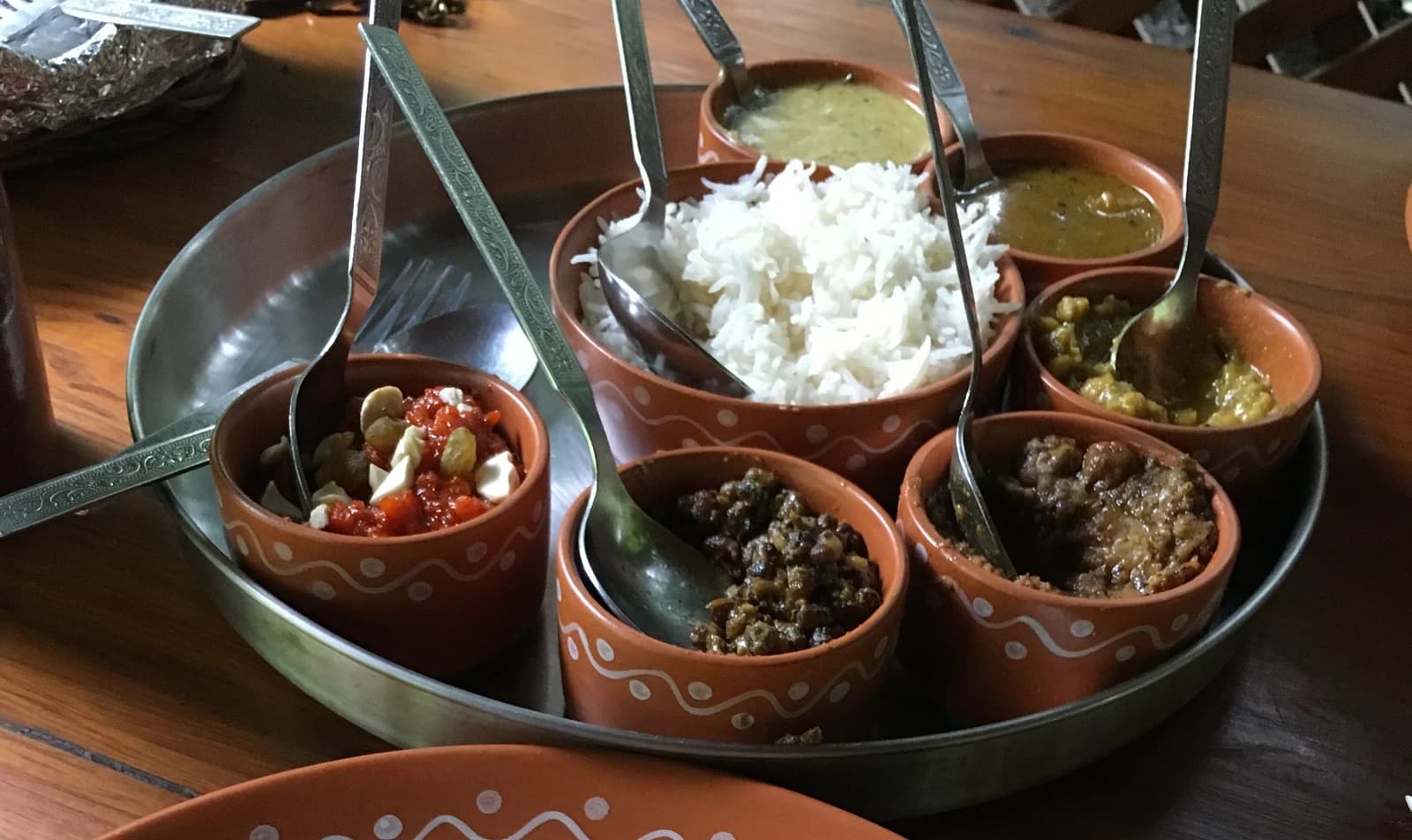
Himachali Dham is a feast of rice and several dishes, with different menus across the state. A vegetarian Dham is not automatically a vegan meal.
Madra is made with a yoghurt-based gravy. Chickpeas or kidney beans do not make that gravy dairy-free. If it is already prepared, asking the server to leave off the ghee will not remove the curd cooked into it.
Dal needs its own question. Ghee can be added as a finishing step, but that does not mean every kitchen has a dairy-free pot waiting. Ask whether the dal has already been finished, and whether a separate portion is possible before choosing it.
For a restaurant Dham or thali, ask about each included dish and the sweet course. Choose from the parts the kitchen can confirm rather than assuming that removing one bowl makes the whole plate suitable. At an invited family meal, explain your needs to the host beforehand so they have time to discuss the menu.
With siddu, separate the bread from its accompaniments
Siddu is steamed stuffed wheat bread. Lentil, walnut and poppy-seed fillings are among the versions you may encounter. The filling and the food served alongside it are separate things to ask about.
Confirm the dough and filling, then ask for any ghee or butter to be left off before the bread is plated. If dal or chutney accompanies it, check those separately too. A lentil filling inside the bread does not tell you how the dal in a side bowl was cooked.
In Mandi, ask about dal-filled siddu by name. In Manali, check what a café actually makes rather than assuming that every menu has the same version. This is a dish to investigate with the cook, not a guaranteed vegan order.
Check Tibetan dumplings and soups beyond the vegetables
In McLeod Ganj, momos come with several kinds of filling. A vegetable mixture can differ from a cheese-and-vegetable one. Ask about the wrapper, filling, seasoning and dipping sauce, and say that you need no egg, dairy or meat-based stock.
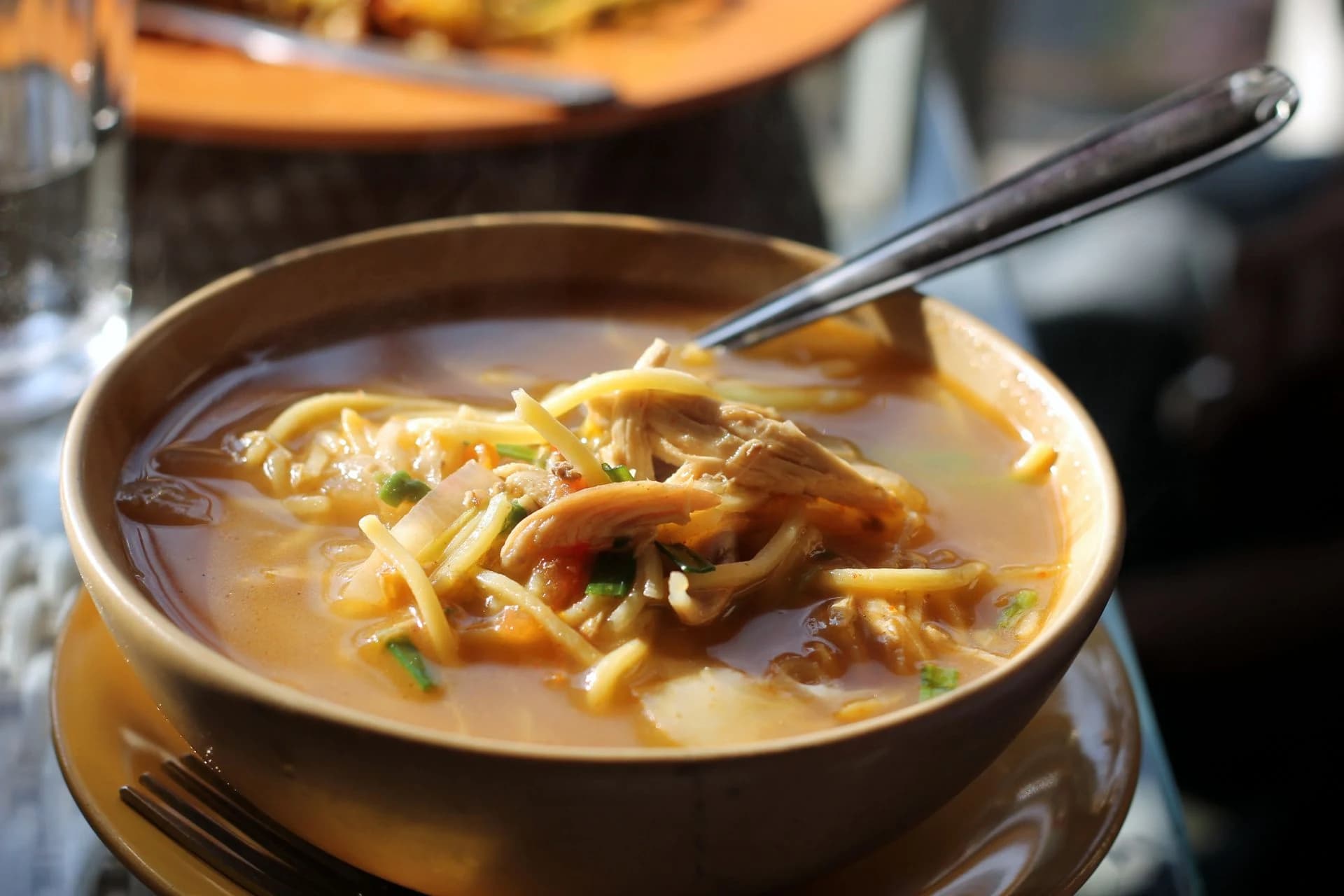
For thukpa or thenthuk, ask whether the soup uses vegetable stock, meaning the liquid base, and whether any meat or dairy has already been added. Noodles and vegetable toppings are only part of the bowl.
Tibetan recipes include versions made with flour-and-water dough, vegetables and vegetable bouillon. They also include meat and cheese versions. That variety gives you useful questions to ask; it does not establish the recipe at a particular restaurant.
Settle meals before choosing a stay
If breakfast or dinner is included with your room, discuss the actual meals before booking. Ask what the kitchen can prepare without dairy, eggs, meat or fish, and whether you need to give notice each day. A promise of vegetarian food does not answer the dairy question.
This matters especially when you intend to eat at your accommodation rather than choose a restaurant for every meal. Agree a few workable dishes and tell the host when you expect to arrive. Do not assume that buying a room with meals includes a separate menu on demand.
For a Dharamshala trip, the choice between McLeod Ganj and lower-town stays also affects where you will spend your evenings. Choose the location and meal arrangements together, without relying on an old café list as proof of today's menu.
Frequently asked questions
Is a vegetarian Dham suitable for someone eating vegan?
Check the individual dishes. Madra uses yoghurt, and ghee or other dairy may appear elsewhere in the meal. Ask before the food is prepared; removing a topping cannot change an ingredient already cooked into a gravy.
Can I simply ask for siddu without ghee?
That is a useful first request, but also confirm the dough, filling and accompaniments. The absence of a final spoonful of ghee does not establish the full recipe.
Should I ask my homestay about food before booking?
Yes, especially when meals are included or you plan to eat there regularly. Describe the ingredients you avoid and ask what the cook can actually prepare, how much notice is needed and what will be available on arrival.
Photograph: Siddu by Gannu03, taken on 2 November 2024 in Himachal Pradesh. It illustrates the bread, not a confirmed vegan serving or a recommended restaurant. Resized, cropped and converted to WebP for 2050 XP under CC BY-SA 4.0; the adaptation retains the same licence.