Kangra Fort from Its Gates to the Temple Courtyard
By 2050 XP · · 3 min read
Photograph: Ajay Kumar / Wikimedia Commons / CC BY-SA 4.0
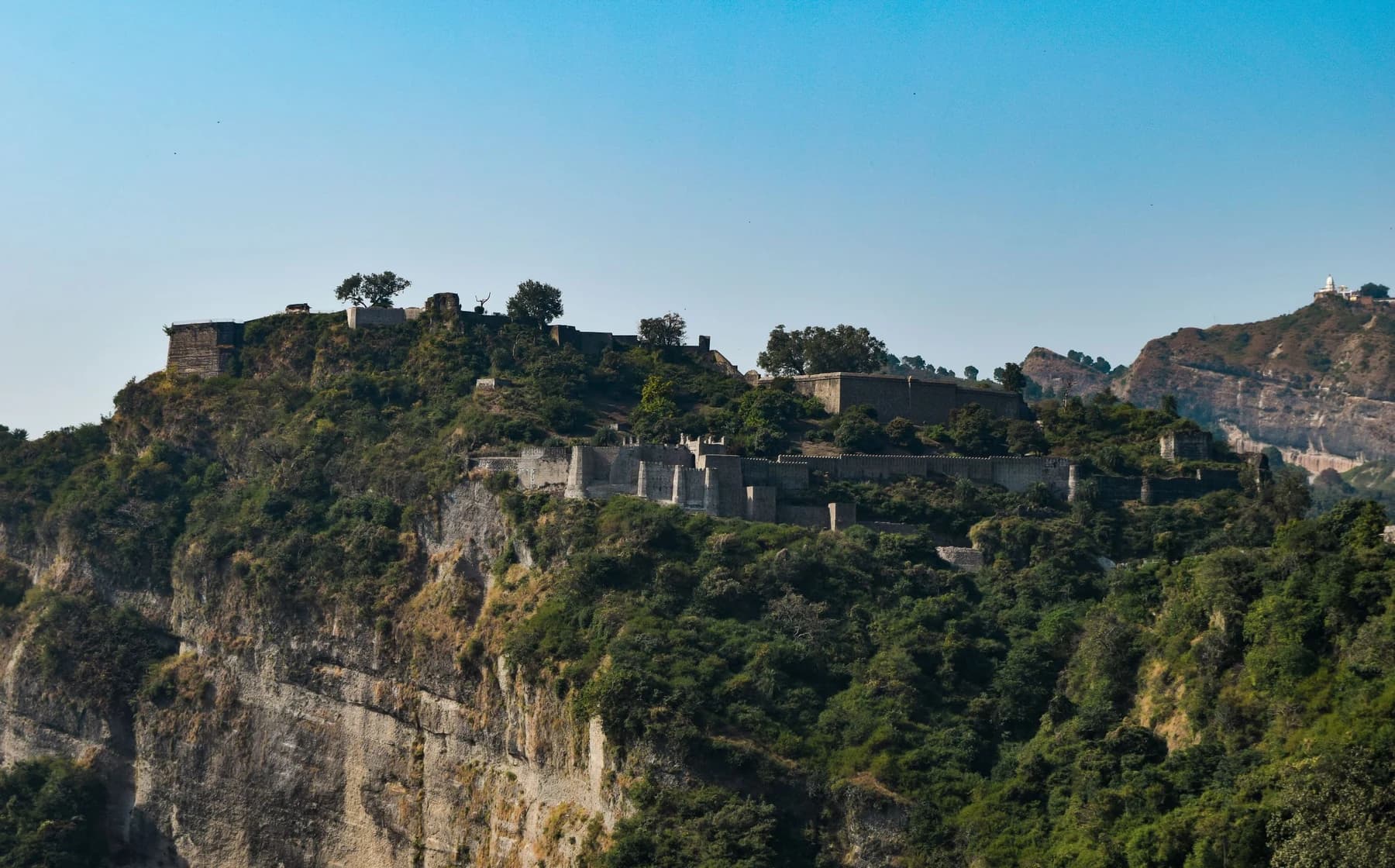
Kangra Fort stands on a rocky hill in Old Kangra. Inside its walls, the visit takes you through a series of gateways to a courtyard with Hindu and Jain shrines. Come for these surviving structures and their setting, rather than expecting a palace with furnished rooms.
The fort is associated with the Katoch rulers, but its gateways also carry names from later periods of Mughal and Sikh control. You do not need to remember every ruler to enjoy the visit. The entrances, carvings and temple spaces give you specific things to look for as you walk.
Through Kangra Fort's gateways
The approach begins at Ranjit Singh Darwaza, followed by Ahni and Amiri Darwazas, then Jahangiri Darwaza. Darwaza means gate. Look for these names as you make your way through the fort's successive entrances.
There are uphill paths and steps between the fort's different levels, so allow for a walk through the complex. Follow the visitor route marked at the site, as some passages may be closed.
At Darshani Darwaza, look at the carved figures flanking the entrance. They represent the river goddesses Ganga and Yamuna. This gateway leads towards the temple courtyard, a different part of the complex from the defensive entrances below.
The temples within the fort
The courtyard area includes shrines dedicated to Lakshmi Narayan, Shitla Mata and Ambika Devi, as well as Jain shrines associated with Adinath. Some temple structures survive as ruins. Their religious significance is still part of the place, so give anyone offering prayers space and ask before photographing worshippers.
Allow yourself time to look at the carved doorways rather than passing straight through the courtyard. Before entering a shrine, check whether visitors are permitted inside.
Why so much of Kangra Fort is in ruins
The earthquake of 4 April 1905 severely damaged the fort. It is an important part of understanding the broken structures you see today, alongside the walls and gateways that survived.
From outside, the fort's walls rise above a steep rocky hillside. Inside, the changes in level and successive gates make that defensive setting easier to understand. Stay on the designated visitor paths rather than climbing damaged walls for a photograph.
Finding the right place in Kangra
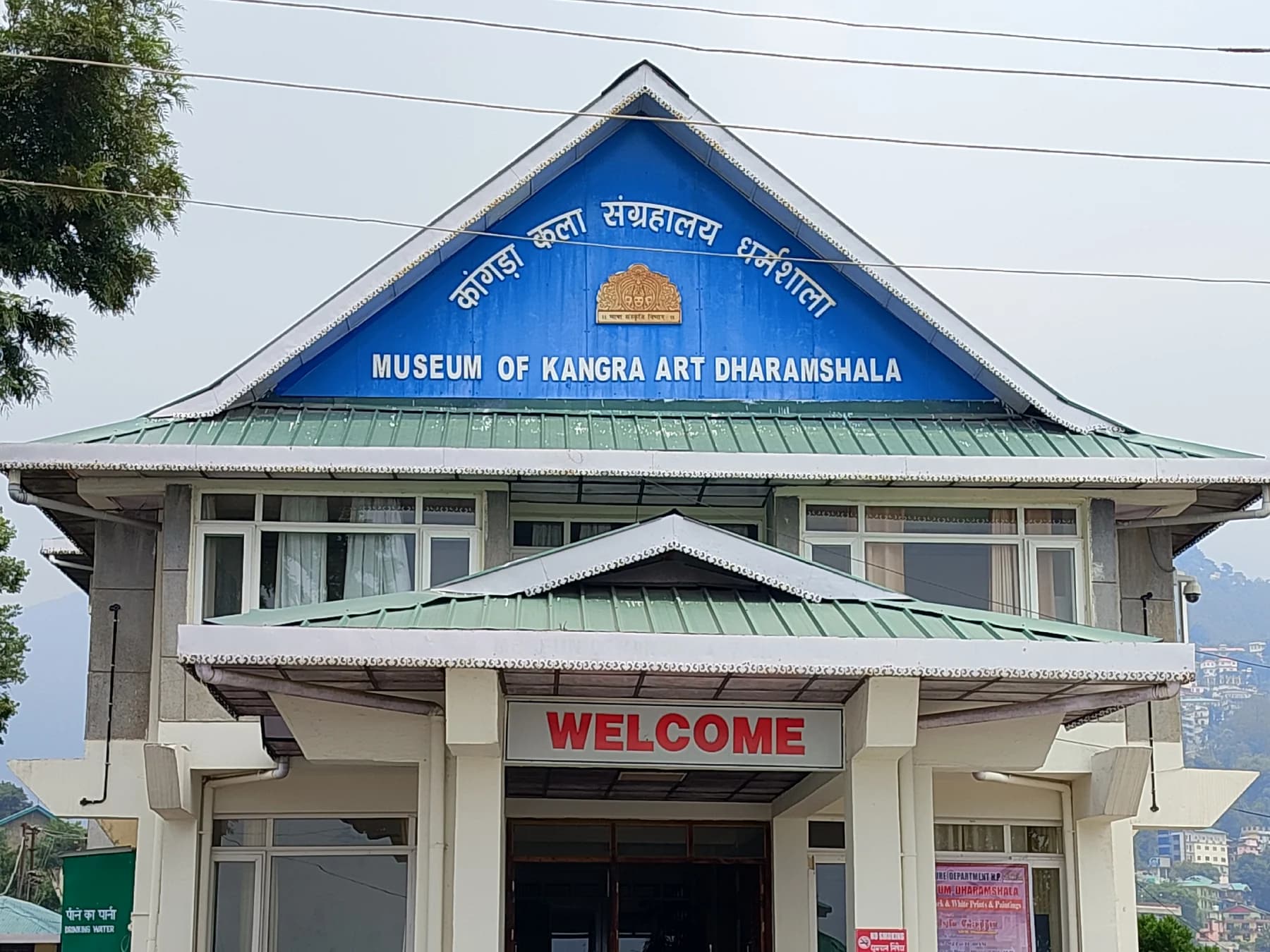
Use Kangra Fort, Old Kangra when arranging your visit. The Kangra Art Museum in Kotwali Bazaar, Dharamshala is a separate attraction, with miniature paintings and other regional collections.
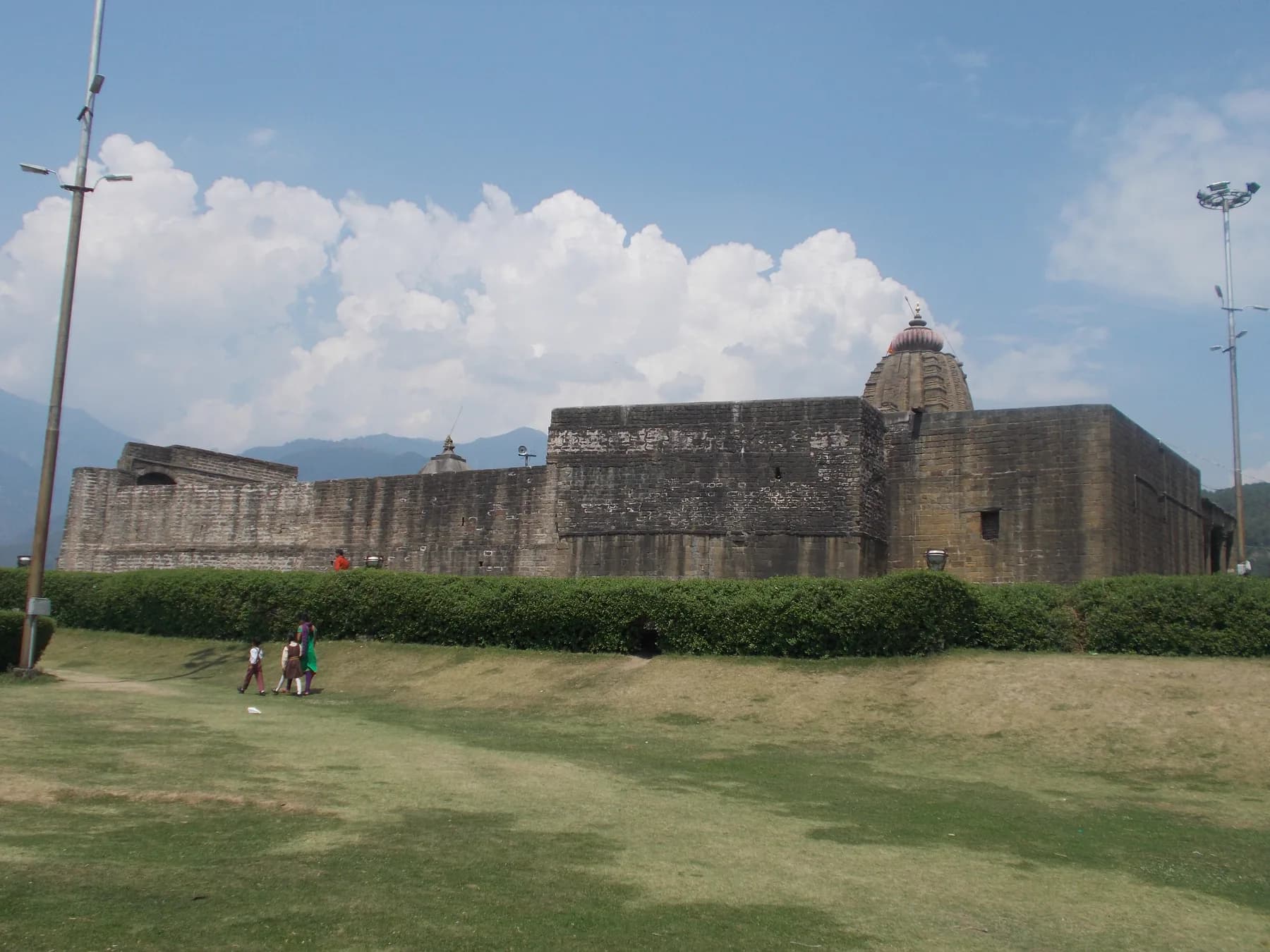
For another heritage outing in Kangra district, Baijnath Temple offers a visit centred on worship of Lord Shiva, with a Nandi pavilion and carved temple walls.
Before setting out, check the current visiting arrangements with the Archaeological Survey of India. If steps are difficult for someone in your group, ask specifically about access through the fort's different levels before making the journey.
Photograph: Kangra Fort View, Ajay Kumar, 28 October 2016. Resized and converted to WebP for 2050 XP; image shared under CC BY-SA 4.0.