Rolla Trek in GHNP: A First-Timer's Guide
By 2050 XP · · 6 min read
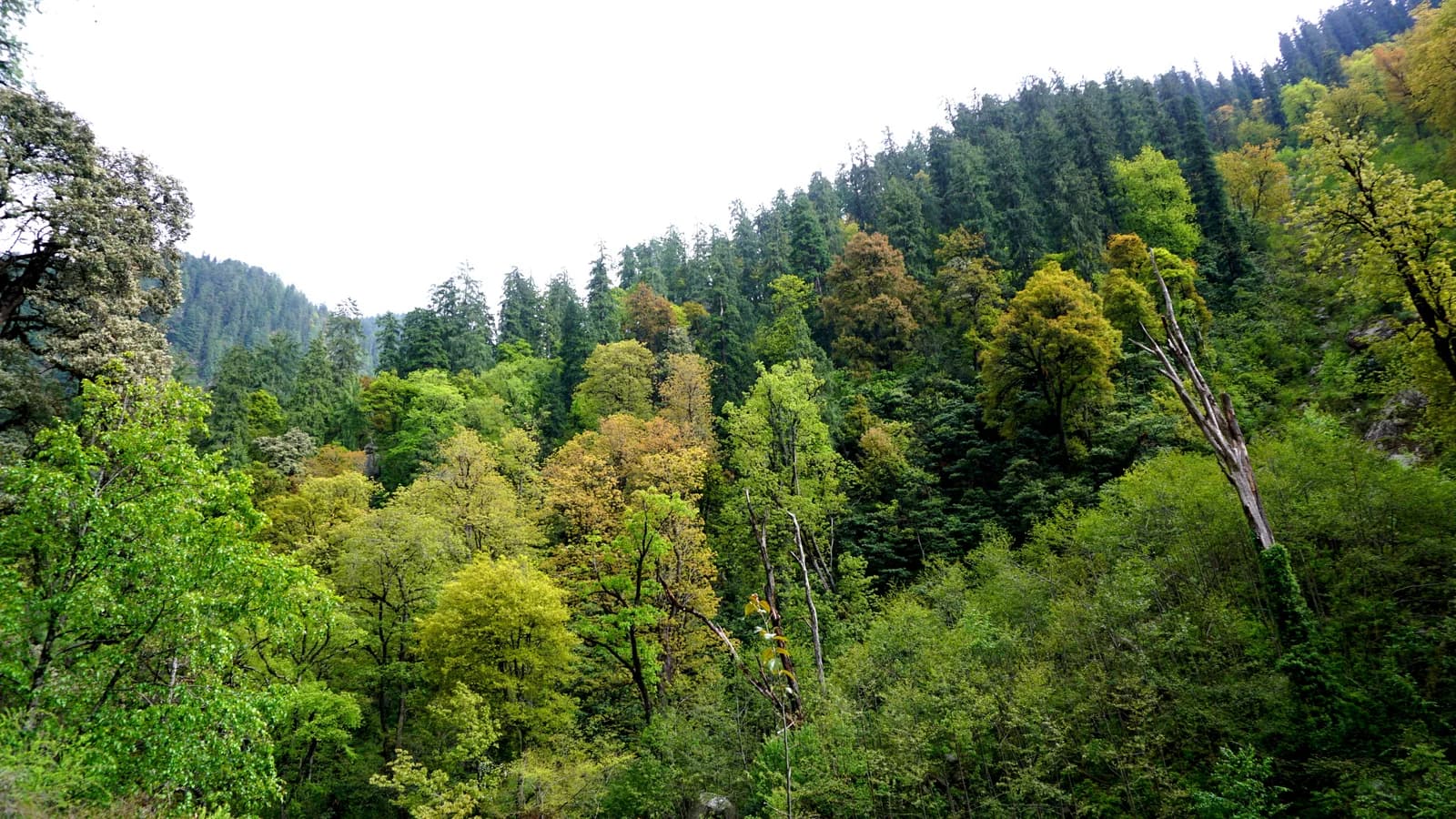
Photograph: Vishrutpanday / CC BY-SA 4.0
The Rolla trek takes you into Great Himalayan National Park from the Tirthan Valley side, following the river towards a forest campsite beyond the park entrance. If you want to try an overnight Himalayan trek without setting aside a whole week, Rolla is worth considering. Give it two days, with a night in camp, and arrive in the valley before your walking day.
It is still a trek, not a short sightseeing walk. The distance depends on where your vehicle drops you, and a comfortable trip begins with knowing that starting point. This guide will help you decide whether Rolla suits your group and what to arrange before leaving your stay.
Getting to the starting point
Gushaini is the village to plan around on the Tirthan approach. From Aut, the road runs through Larji and Banjar, then past Shai Ropa towards Gushaini. Settle into your accommodation the previous evening so you have time to meet your organiser, check your equipment and discuss the next morning. GHNP approach information.
Some organised trips now take a vehicle beyond Gushaini to Ropa, where the walking begins. Himalayan Ecotourism describes this start in its Rolla itinerary. This is Ropa on the Tirthan side, not the similarly named permit-office location in Sainj Valley. Confirm the exact meeting and drop-off points with your organiser. Rolla starting-point details.
Ask what happens if the vehicle cannot reach the planned drop-off point. An extra stretch on foot needs to be included in the day's plan, along with the return pickup. There is no vehicle safari inside the park.
How far is Rolla, and how difficult is the trek?
The park's itinerary lists Gushaini to Rolla as 9 km on foot, one way. Returning along the same route makes about 18 km across the two days. Rolla is listed at roughly 2,100 metres. These figures describe the Gushaini start, not a shorter walk after a vehicle transfer. Official Gushaini to Rolla stage.
An organiser starting from Ropa should give you the distance for that particular trip. Ask for walking time that includes your group's pace, rests and lunch, rather than planning around the fastest estimate you find online.
Rolla is often offered as a beginner trek, but the label does not tell you how your group will feel after several hours on a trail. Consider whether everyone is comfortable walking on uneven ground, carrying their day bag and spending a night in a tent. Tell your organiser about any walking limitations before booking so the plan can be discussed honestly.
For a first trek, choose a steady pace over a packed itinerary. You do not need to add a higher campsite to make an overnight forest visit worthwhile.
A one-night, two-day Rolla plan
This plan follows the overnight format described in Himalayan Ecotourism's Rolla itinerary. Your guide should adjust the day's timing to the agreed starting point and conditions.
Day 1: Walk to Rolla and settle into camp
Have breakfast before meeting your trekking team. Confirm that permissions, food and camping equipment are arranged, then travel to the agreed walking start.
From Ropa, the route passes Kauncha and continues towards the park gate, with Rolla beyond it. Keep time for pauses along the way rather than treating the campsite as a deadline to race towards.
Once you reach camp, get your sleeping arrangements sorted while there is daylight. Keep a warm layer handy and spend the evening resting for the return walk. Follow your guide's advice around the river; being beside the water does not make it suitable for swimming.
Day 2: Return by the same trail
After breakfast, pack your belongings and take all your litter back with you. Return along the outward route to your agreed pickup point.
Arrange the onward journey with room for a slower descent or a delayed pickup. If you have a tightly timed bus to catch, discuss that before booking the trek. Staying in Tirthan after the walk gives you more breathing room than planning a rushed departure.
Keep this outing focused on Rolla. Longer GHNP routes need their own time, preparation and permissions, rather than being added casually once you are at camp.
When to plan your trek
For an initial shortlist, look at April and May, or October and November, then confirm conditions for your dates. The Rolla operator's seasonal guidance includes these windows, while warning that September can still bring rain and overgrown sections. Rolla seasonal guidance.
Do not assume that the start of autumn means the trail is ready. The park warns that monsoon and winter conditions can affect roads and trekking access. Check with the park and your organiser before travelling, and understand what happens to your booking if the route cannot be used. Official weather and access advice.
Permits, guides and camping arrangements
Entry into the park requires permission. Core-zone permits are handled by the park's Shamshi office and range offices at Shai Ropa in Tirthan and Ropa in Sainj. Routes require range-officer approval, and the published rules require multi-day trekkers to engage certified guides and porters. Confirm the latest fees when arranging your trip. GHNP visitor rules.
Before paying for a package, ask for a written list of what is included:
- Permits, guide and porter arrangements
- Transfers to and from the walking start
- Tent, sleeping bag and sleeping mat
- Meals and drinking-water arrangements
- Toilet arrangements at camp
- Weather-related changes, cancellation terms and any extra costs
A low headline price is difficult to compare until you know what you will need to arrange yourself. Do not assume that a campsite name means a room, a staffed kitchen or a ready-made bed will be waiting.
What to pack
Wear familiar walking shoes with dependable grip. Bring a waterproof layer, warm clothing, spare socks and a water bottle. Pack your clothing so it stays dry, and confirm how food and drinking water will be supplied. The park's packing guidance includes warm layers, rain protection and overnight equipment.
Ask which bag you will carry yourself and what, if anything, a porter will carry. Agree on sleeping equipment before departure; a booking described as a camping trek should still spell out what is provided.
Keep the forest quiet, leave plants where they grow and bring your rubbish back. Wildlife sightings are a possibility, never something a guide can promise.
If an overnight trek does not suit your group
You can still spend time learning about the park at Shai Ropa's interpretation centre and small museum, subject to visitor access and opening hours. It is a separate outing, not a visit to Rolla. Shai Ropa visitor information.
For a holiday built around day outings and a room each evening, use our three-day Jibhi and Tirthan itinerary. If you are still choosing where to stay, the Jibhi or Tirthan Valley comparison will help you place the trek within the rest of your trip.
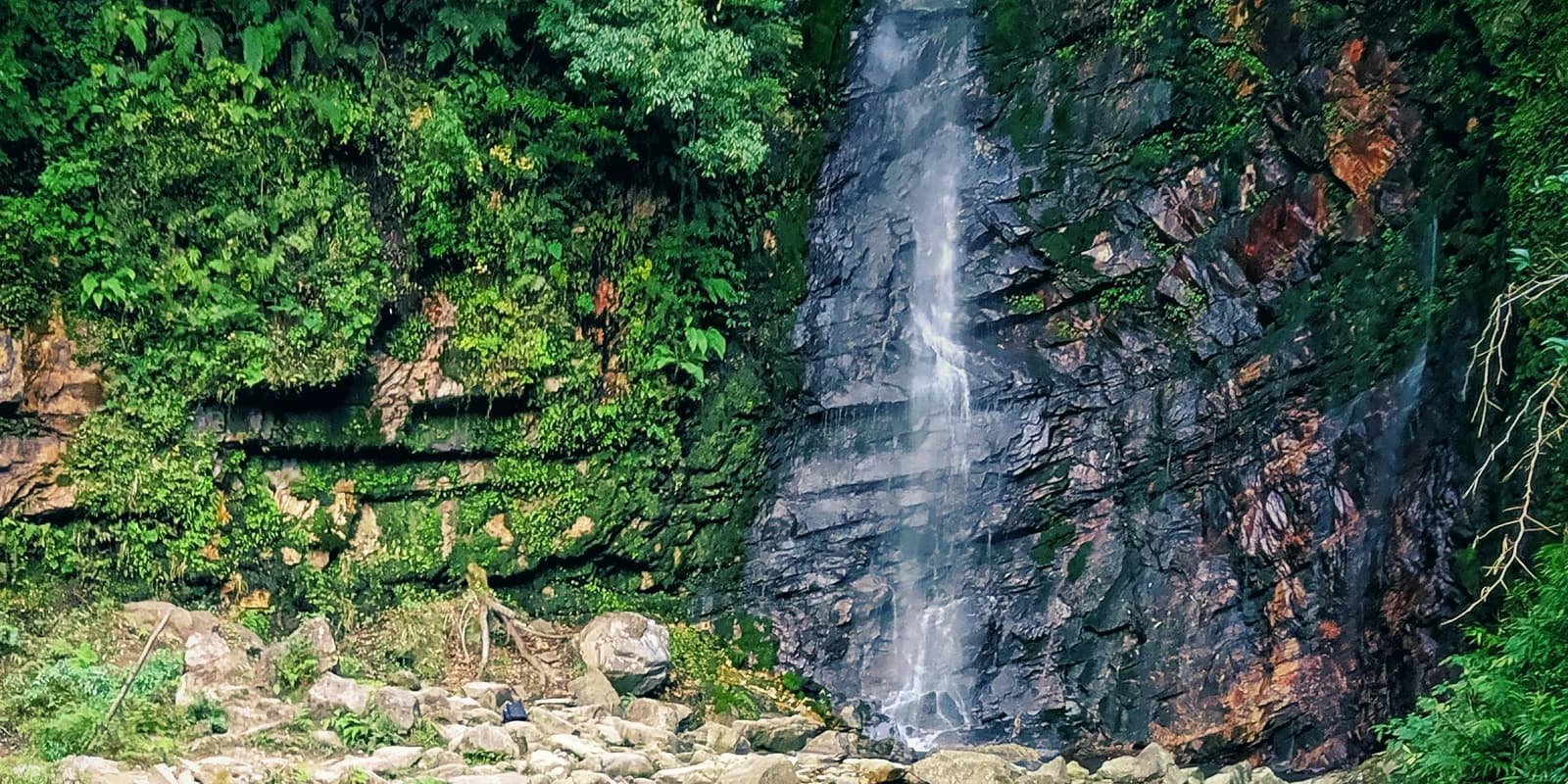
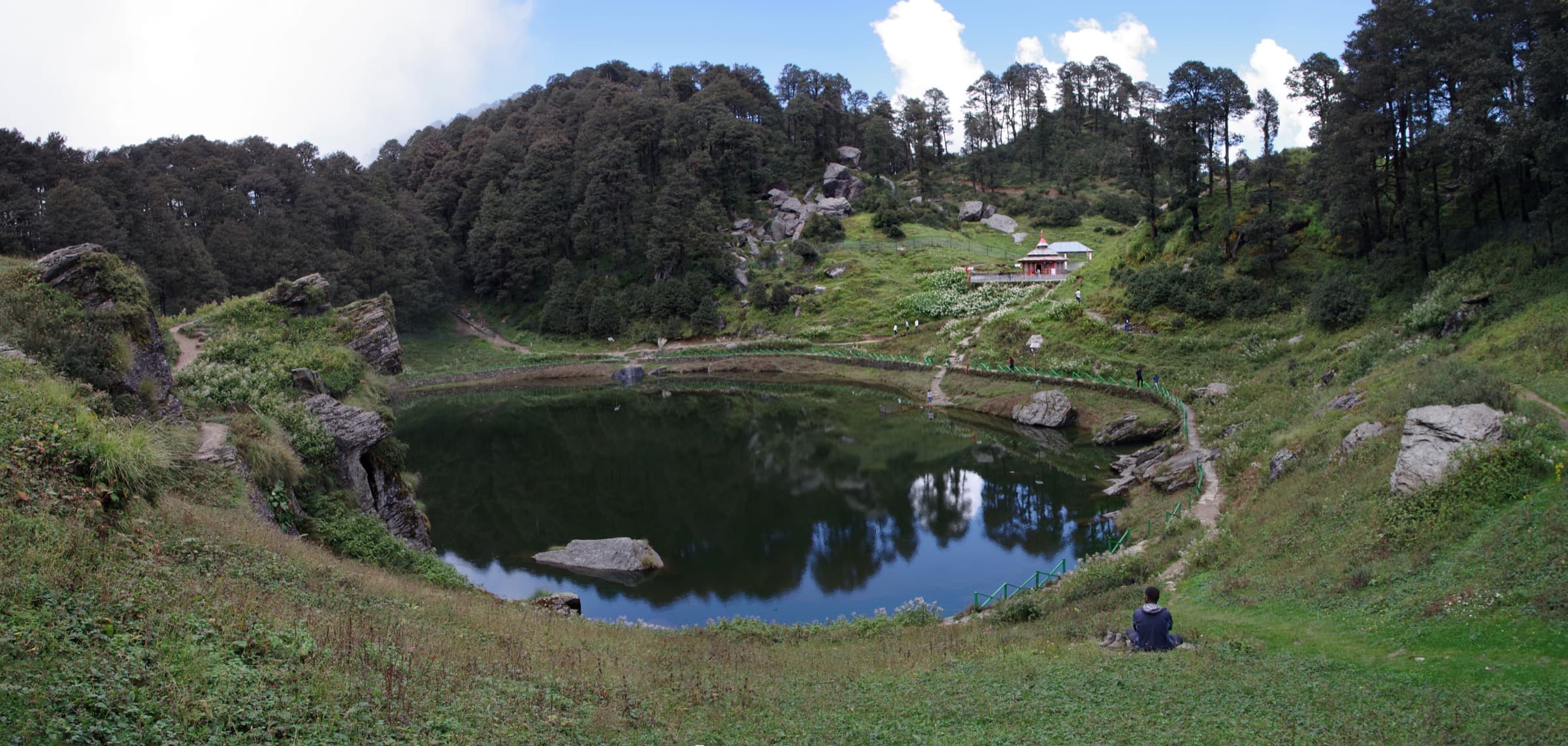
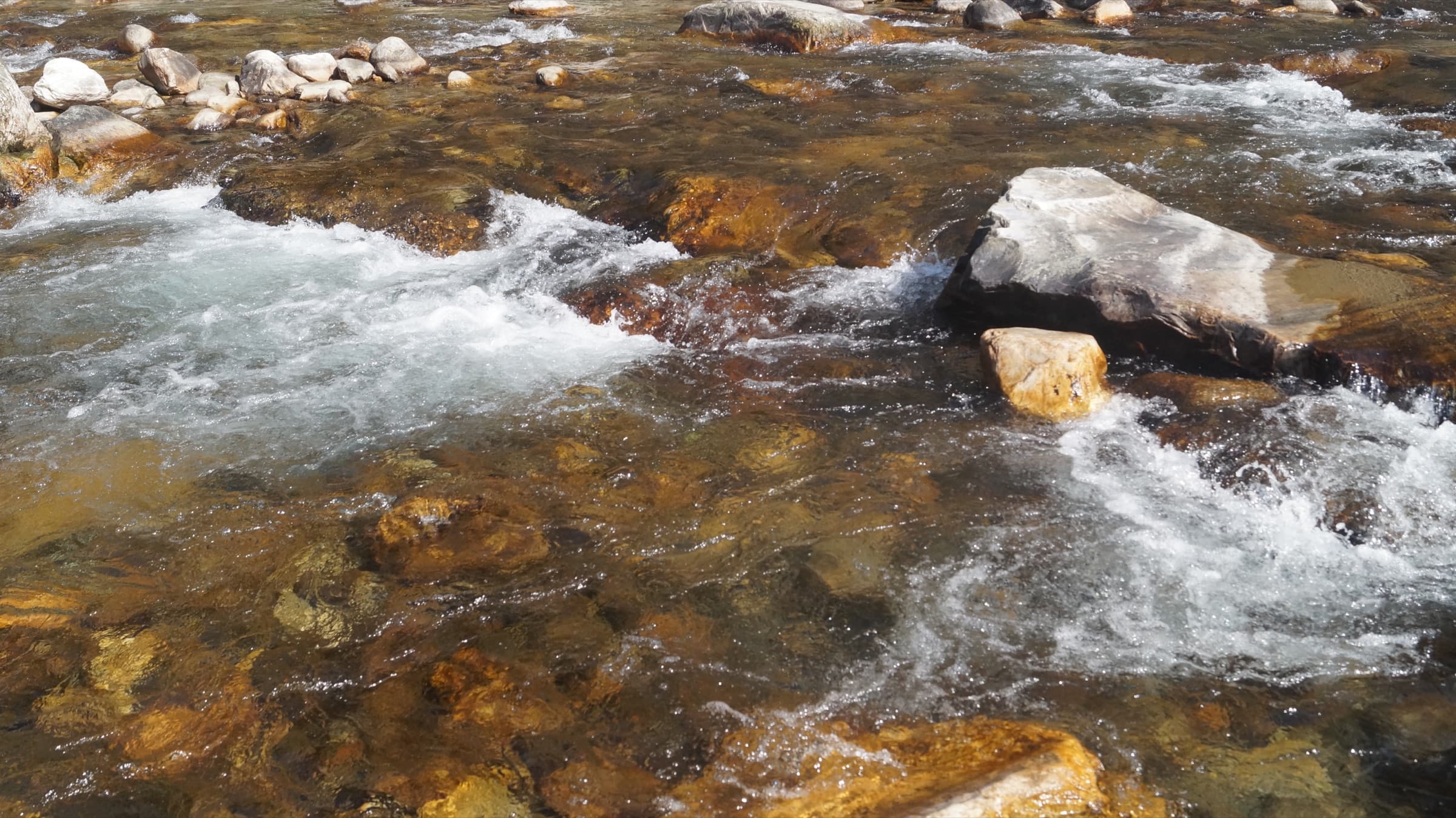
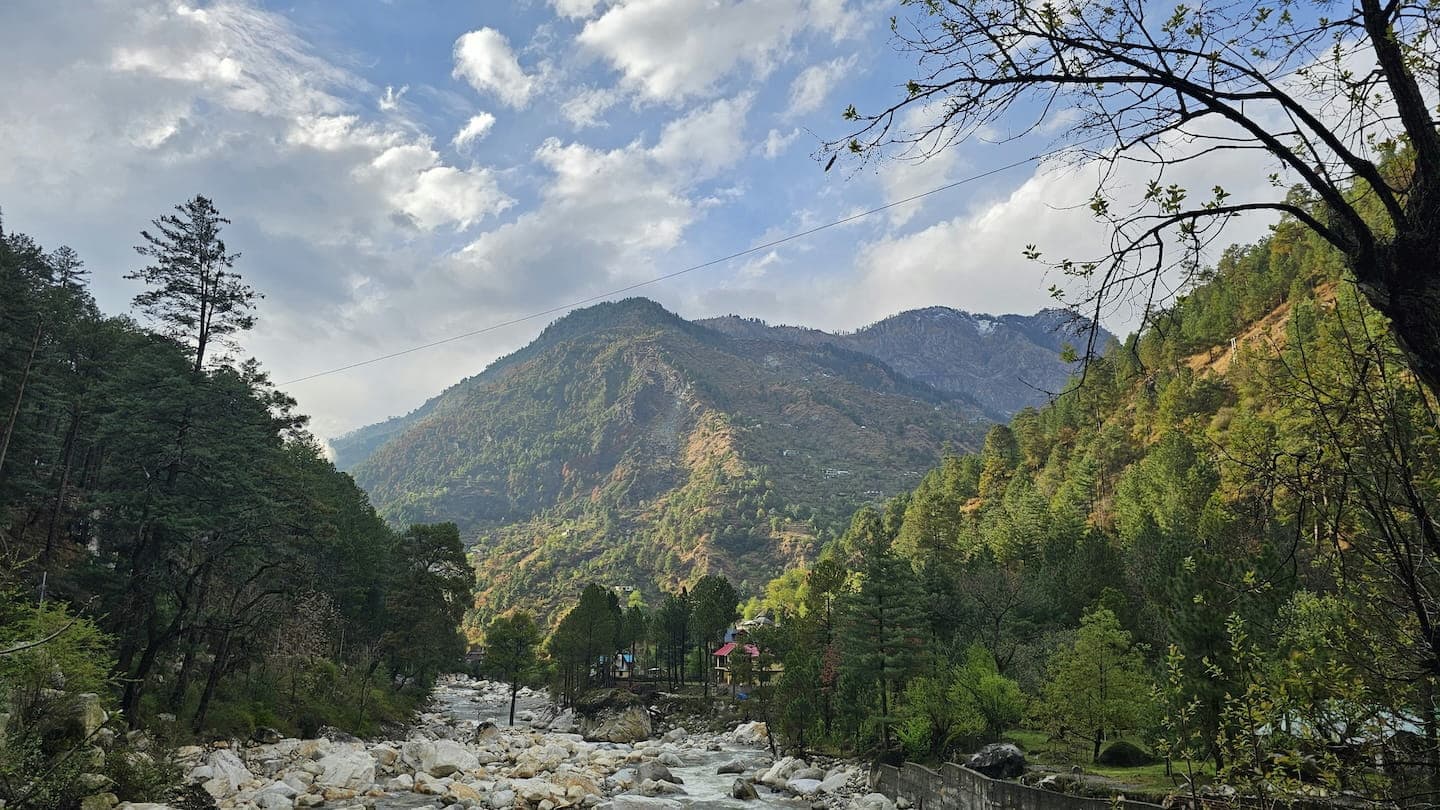
Photograph
Forest cover in Great Himalayan National Park, photographed by Vishrutpanday, used under CC BY-SA 4.0. Resized, converted to WebP and cropped by the page layout; the adapted photograph remains under the same licence. This is a park landscape, not a photograph identifying the Rolla campsite.