A Practical 3 Day Jibhi and Tirthan Valley Itinerary
By 2050 XP · · 8 min read
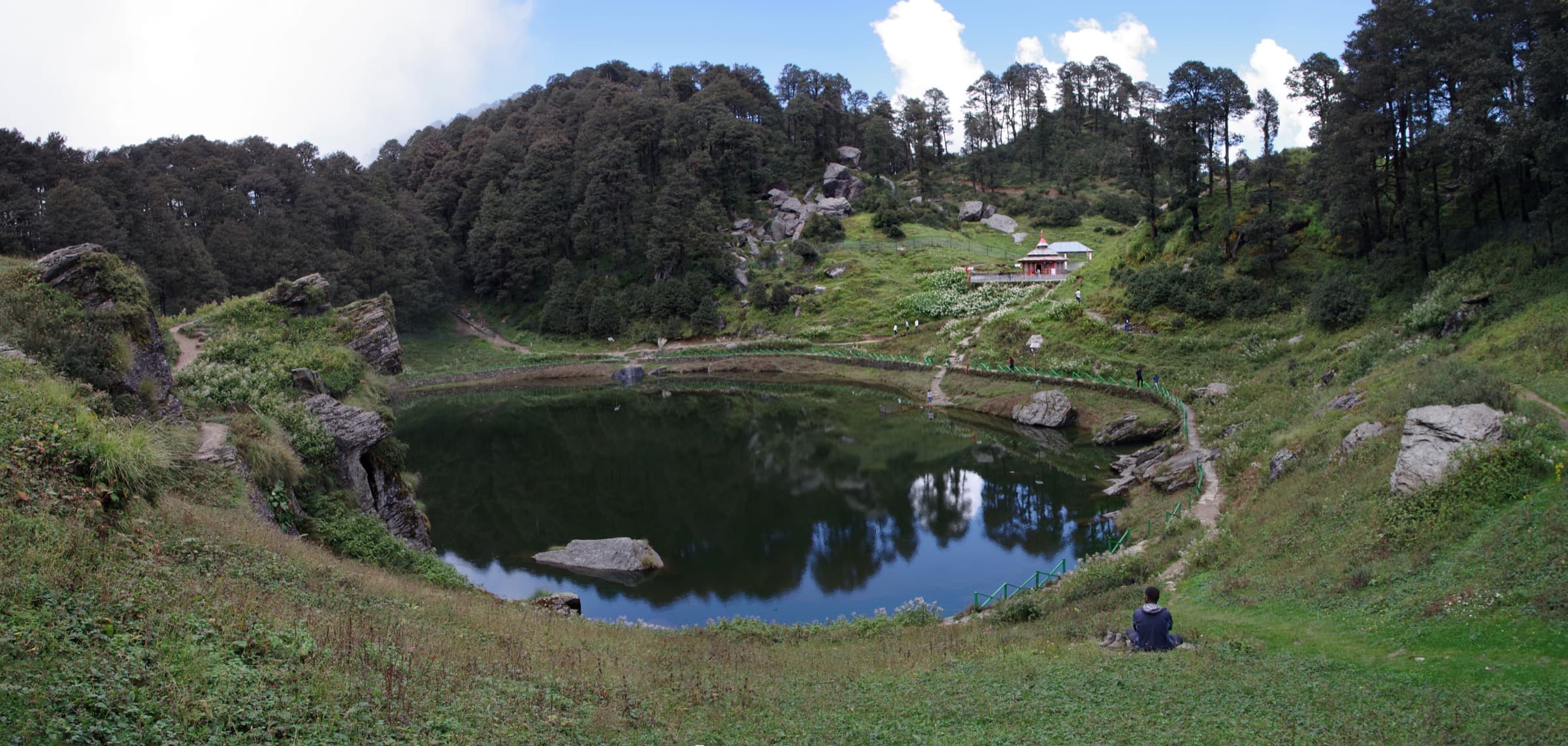
Photograph: Phototraveller1 / CC BY-SA 4.0
Three days are enough to enjoy Jibhi and the Tirthan side when those are three full days in the valley. Arrive the evening before, keep one comfortable base, and leave the morning after your third day.
Give your first day to Jibhi, your second to Jalori Pass and one forest walk, and your third to Gushaini and Shai Ropa. If arrival and departure are included in your three days, choose either Jalori or the Tirthan side. Trying to fit everything into two partial days will leave very little time for the place itself.
For help choosing your base, begin with our guide to Jibhi or Tirthan Valley.
Before day one, choose one base
For this itinerary, changing hotels is usually more trouble than it is worth. Jibhi and Gushaini are about 18 km apart by road through Banjar, so either side can be visited during the day.
Stay in Jibhi if Jalori Pass is the part of the trip you care about most. The pass is about 13 km from Jibhi by road, and the village gives you a convenient place to return to after the walk.
Stay near Gushaini or Shai Ropa if you would rather wake beside the Tirthan River or want your trip to feel more connected to the Great Himalayan National Park. You can still visit Jibhi, but the Jalori day will begin with a longer drive.
Whichever side you choose, look at the exact map pin before booking. A property name can mention Jibhi or Tirthan Valley even when the final approach includes a narrow road, steps, or a steep walk. If anyone in your group has limited mobility, ask the host whether a vehicle reaches the entrance and how many steps stand between the parking area and the room.
Day 1: Let Jibhi welcome you slowly
Keep the first morning gentle, especially after an overnight journey. Have breakfast, settle into your stay, and leave space for an easy walk around Jibhi rather than beginning with a long list of stops.
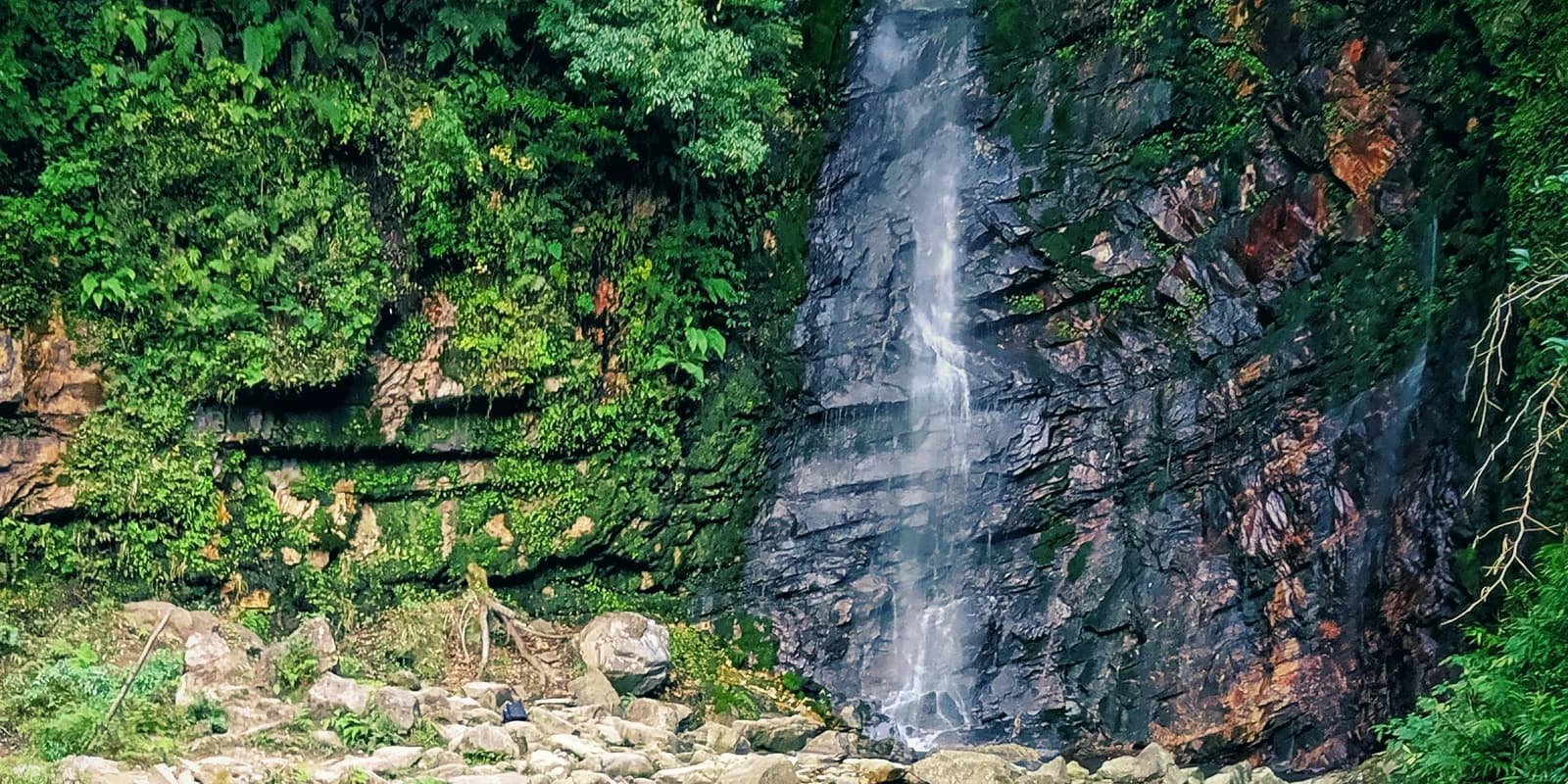
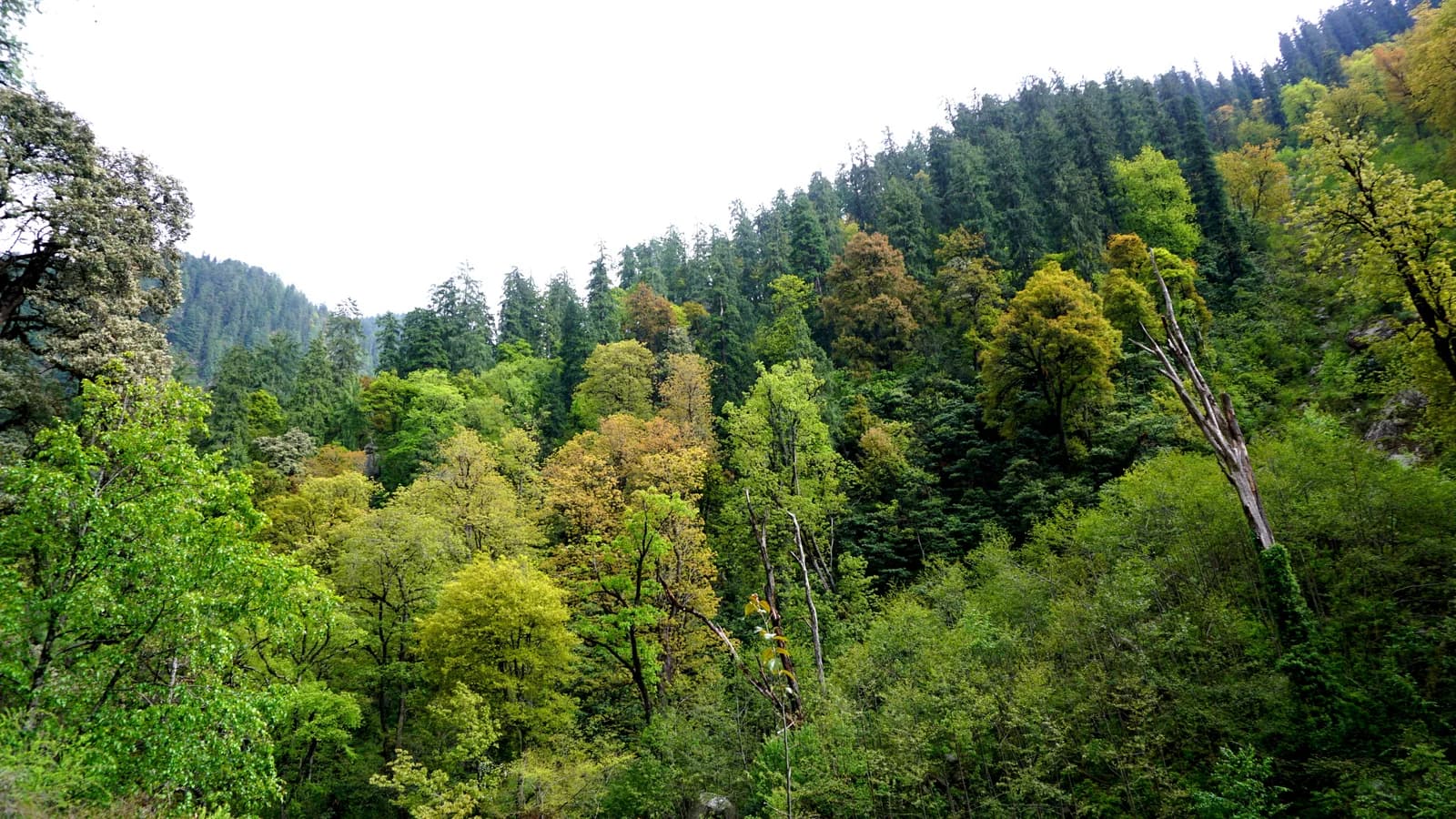
The pleasure of this day is having nowhere urgent to be. Walk only as far as the weather, light, and everyone’s energy allow. Stop for lunch without watching the clock. If your host suggests a nearby path or waterfall, ask about the present condition of the approach before setting out. Rain can make even a short forest path slippery.
Use the afternoon to prepare for Jalori. Arrange a local vehicle if you do not want to drive the steep mountain road yourself. Confirm the latest road conditions, discuss a sensible departure time, and decide whether Serolsar Lake suits the walking ability of your group.
If you are arriving in Jibhi during the day, this quieter plan is still worthwhile. It is kinder to begin with a warm meal and a short walk than to reach tired and immediately chase a viewpoint.
Day 2: Jalori Pass and one good walk
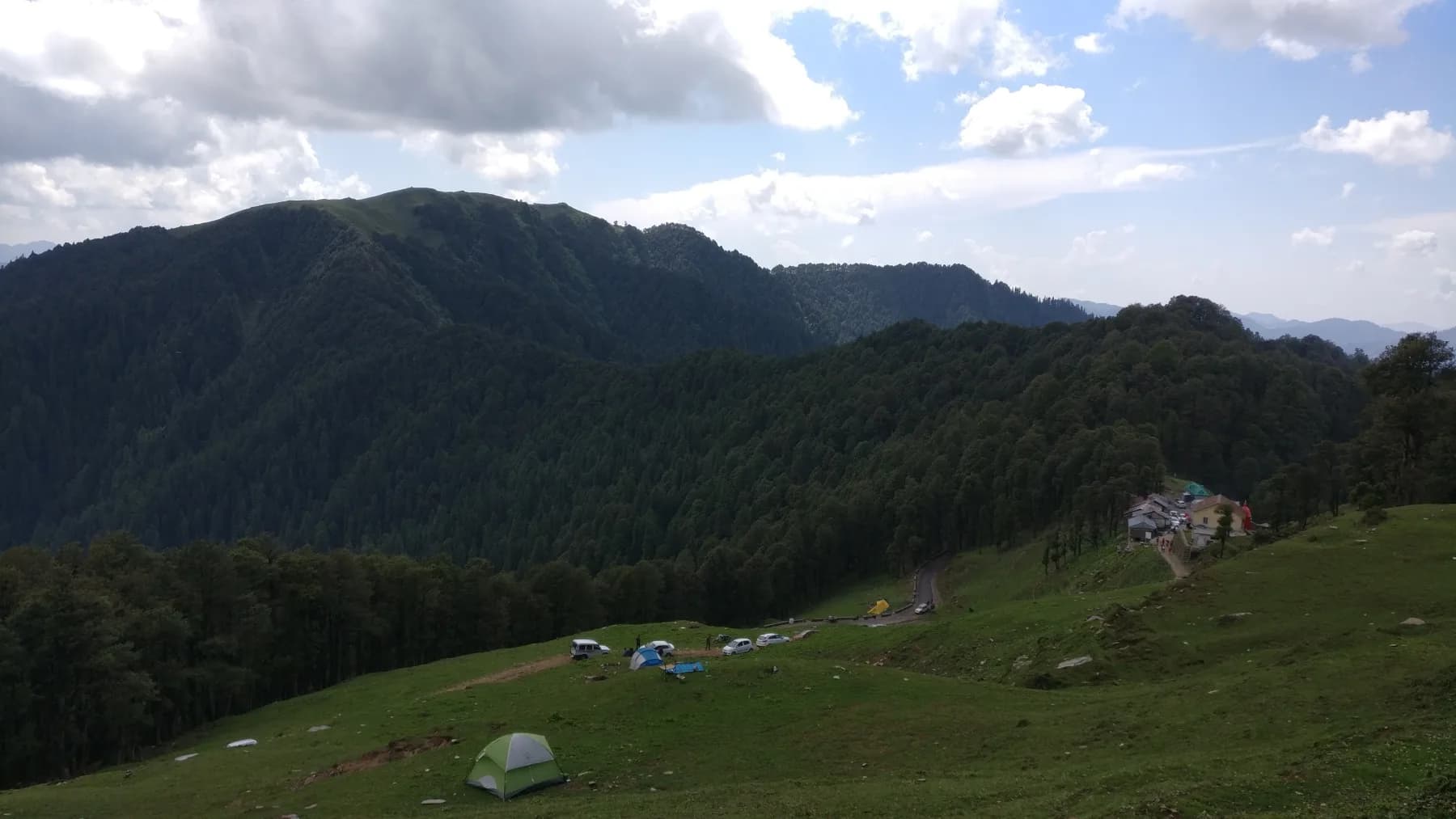
Set aside the whole day for Jalori Pass. From Jibhi, the road distance is about 13 km, but mountain weather, traffic, and road work can change how the journey feels. A short distance on a map is not a promise of quick access.
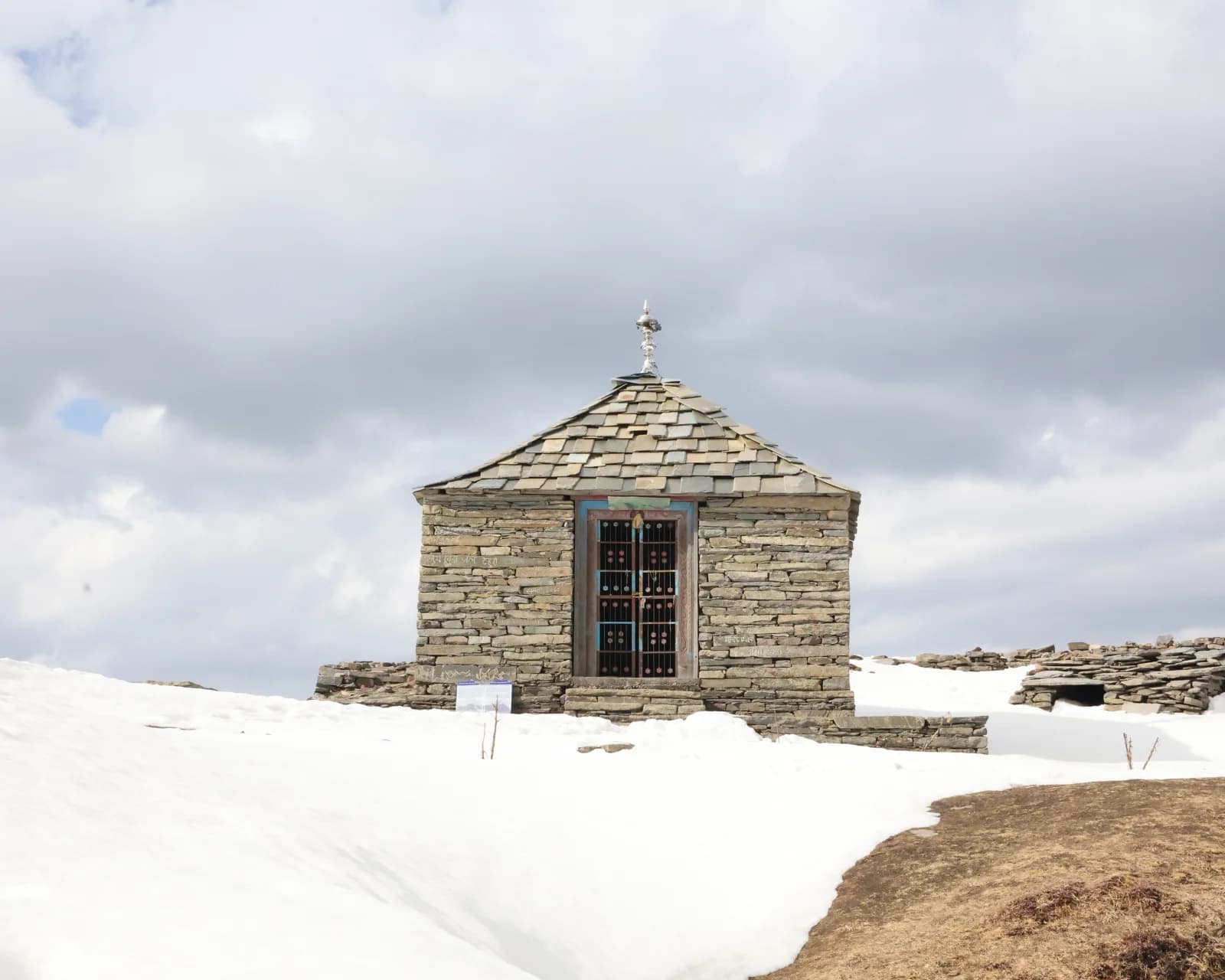
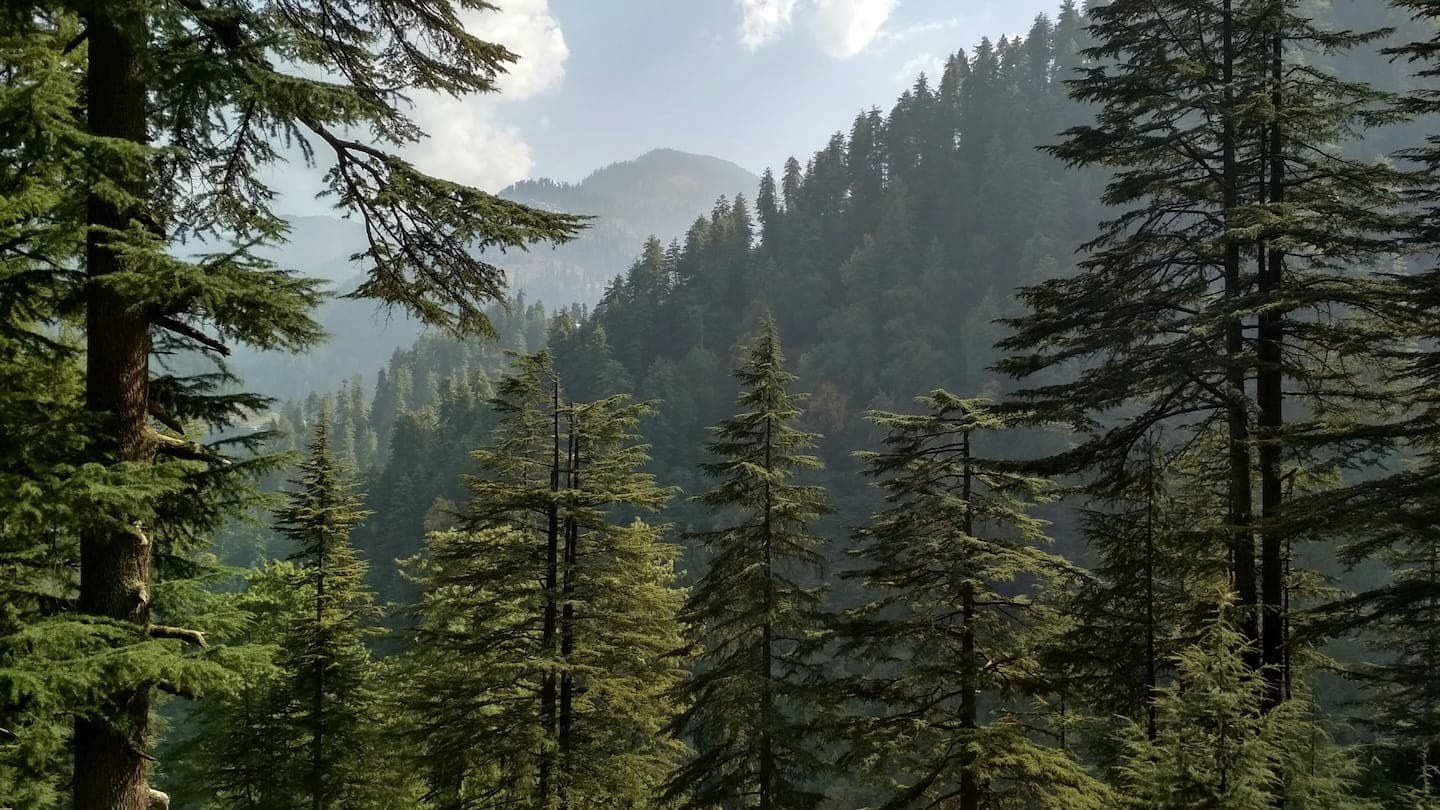
At Jalori, choose one main walk. Serolsar Lake is roughly 5 km from the pass on foot, making the return outing about 10 km. Allow enough daylight, carry water and a layer for changing weather, and wear shoes with dependable grip. The route may be too much for young children, older family members, or anyone who is uncomfortable on an uneven forest trail.
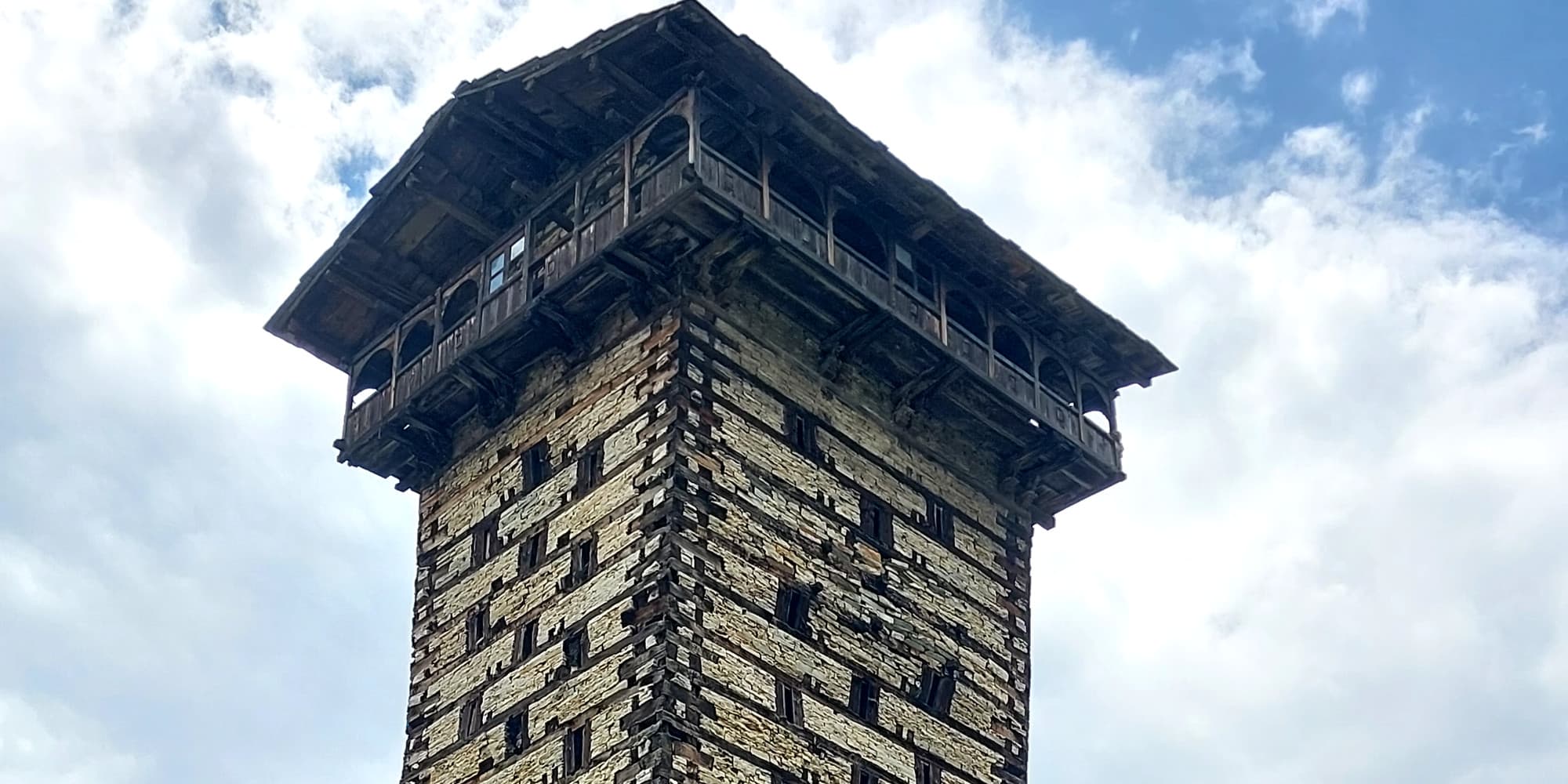
Raghupur Fort lies in the other direction from the pass. It deserves its own outing. Combining Raghupur and Serolsar on the same day may look efficient on a list, but it is unlikely to feel like a restful mountain holiday.
If the pass road or trail does not feel right that morning, let it go. Spend the day around Jibhi or Shoja instead. The mountains will still be there, and an unhurried change of plan keeps the day comfortable.
Before leaving, check the latest forecast from the India Meteorological Department, ask your host about the road, and follow notices from the Kullu district administration. In winter and during unsettled weather, access can change quickly.
Day 3: Gushaini, the Tirthan River, and Shai Ropa
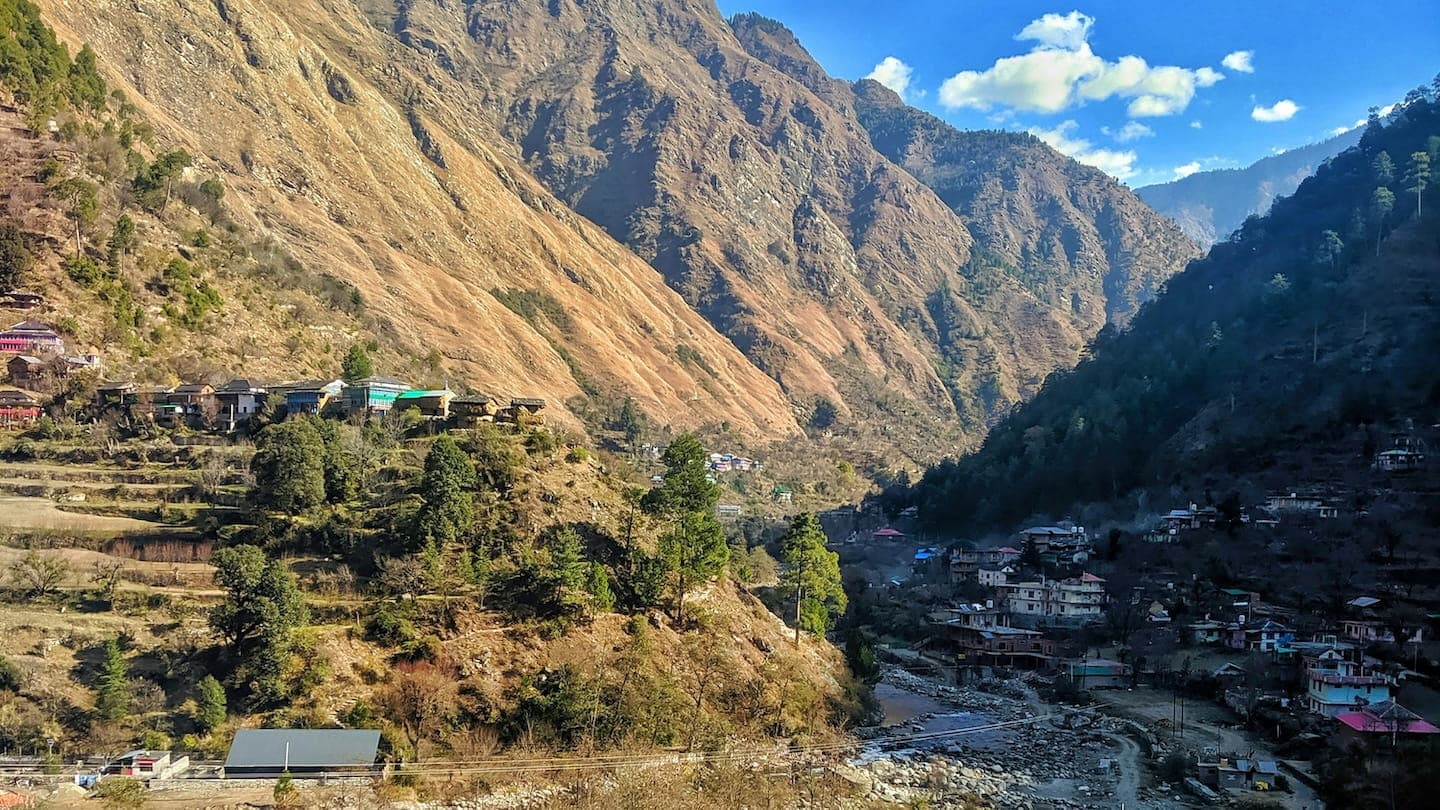
Let the final day show you the other side of the valley. Travel through Banjar towards Gushaini and Shai Ropa, keeping the day open enough for a riverside pause, a relaxed meal, and the slower pace that suits Tirthan.
Shai Ropa is home to the Great Himalayan National Park interpretation centre. It is a useful place to understand the landscape, wildlife, and communities around the park before planning anything more demanding.
GHNP is not a roadside sightseeing stop. Entry requires permission, activities inside the park are on foot, and its longer routes need proper preparation. If a walk inside the park or ecozone matters to you, speak with the park office in advance and arrange an appropriate route and guide. Confirm current requirements through the official GHNP rules.
For a three-day first visit, there is no need to force a park trek into this afternoon. Time around Gushaini and Shai Ropa offers a warm introduction to the Tirthan side and gives you a good reason to return for a longer stay.
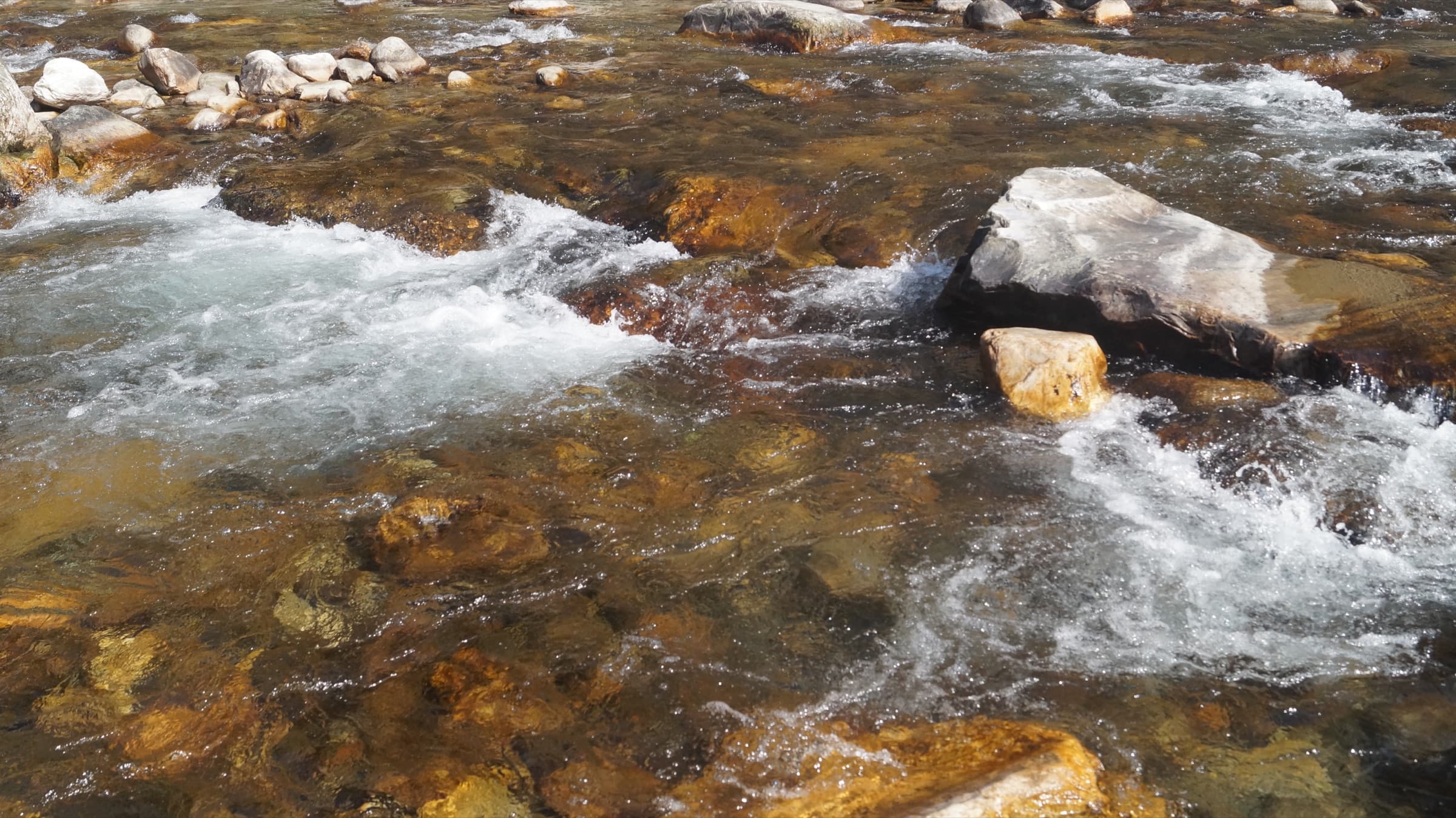
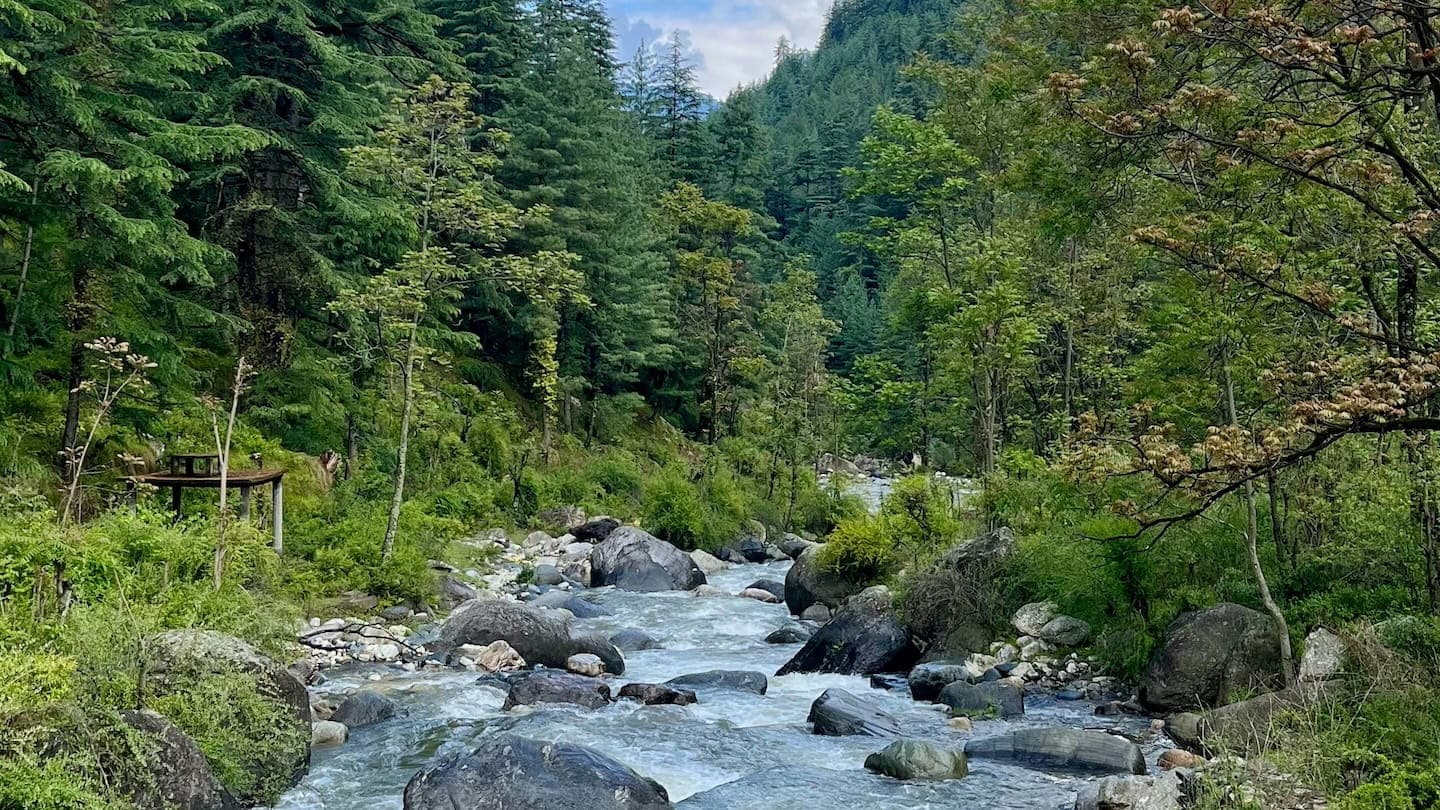
Enjoy the river from a safe bank and follow local guidance. Mountain water can be colder, faster, and stronger than it appears, particularly after rain. Keep children close and do not step into the water simply because one stretch looks calm.
If you only have two nights and three calendar days
A two-night trip is different from three full days. If you arrive around midday on day one and must leave on day three, keep one main outing and protect some time to rest.
Choose this version when Jalori is your priority:
- Day 1: Arrive in Jibhi, have a relaxed meal, and take a short local walk
- Day 2: Visit Jalori Pass and choose Serolsar only if the road, trail, daylight, and your fitness all suit the walk
- Day 3: Enjoy a quiet breakfast and leave without adding Tirthan in a hurry
Choose this version when the river and GHNP side matter more:
- Day 1: Arrive near Gushaini or Shai Ropa and settle into your stay
- Day 2: Spend an unhurried day around the Tirthan side and follow a park-office plan if arranged in advance
- Day 3: Visit Jibhi briefly on the way out only when your onward timing comfortably allows it
This shorter choice is not a lesser holiday. It simply respects the time you truly have.
Who should soften the itinerary
Make the plan lighter if you are travelling with small children, older parents, anyone recovering from an injury, or anyone unused to a 10 km forest walk. The Serolsar day is the first part to reconsider.
You can still enjoy Jalori Pass without completing the full walk when the road is accessible. You can also replace the outing with a slower day near your stay when conditions are uncertain. A flexible plan is especially valuable during rain or snow.
Carry a light waterproof layer, warm clothing, drinking water, sun protection, any personal medicine, and shoes suitable for uneven ground. Keep a little food with you, but do not leave wrappers or waste along the trail. Serolsar is also a place of local faith, so give the lake and temple the same quiet respect you would hope to receive in your own place of worship.
Plan the journey around the holiday
Long road travel can quietly consume the first and last day. Read the guides to reach Jibhi and reach Tirthan Valley before booking your nights. If an overnight journey leaves you with three full mornings, this itinerary has room to breathe. If not, use the shorter version with confidence.
A thoughtful plan here is not the one with the most stops. It is the one that gives you a safe walk, a comfortable base, a little time by the river, and enough calm to notice where you are.
Photograph by Phototraveller1, sourced from Wikimedia Commons, and licensed under CC BY-SA 4.0. The photograph was resized by 2050 XP.