Jibhi or Tirthan Valley: Which Is Better for Your Trip?
By 2050 XP · · 6 min read
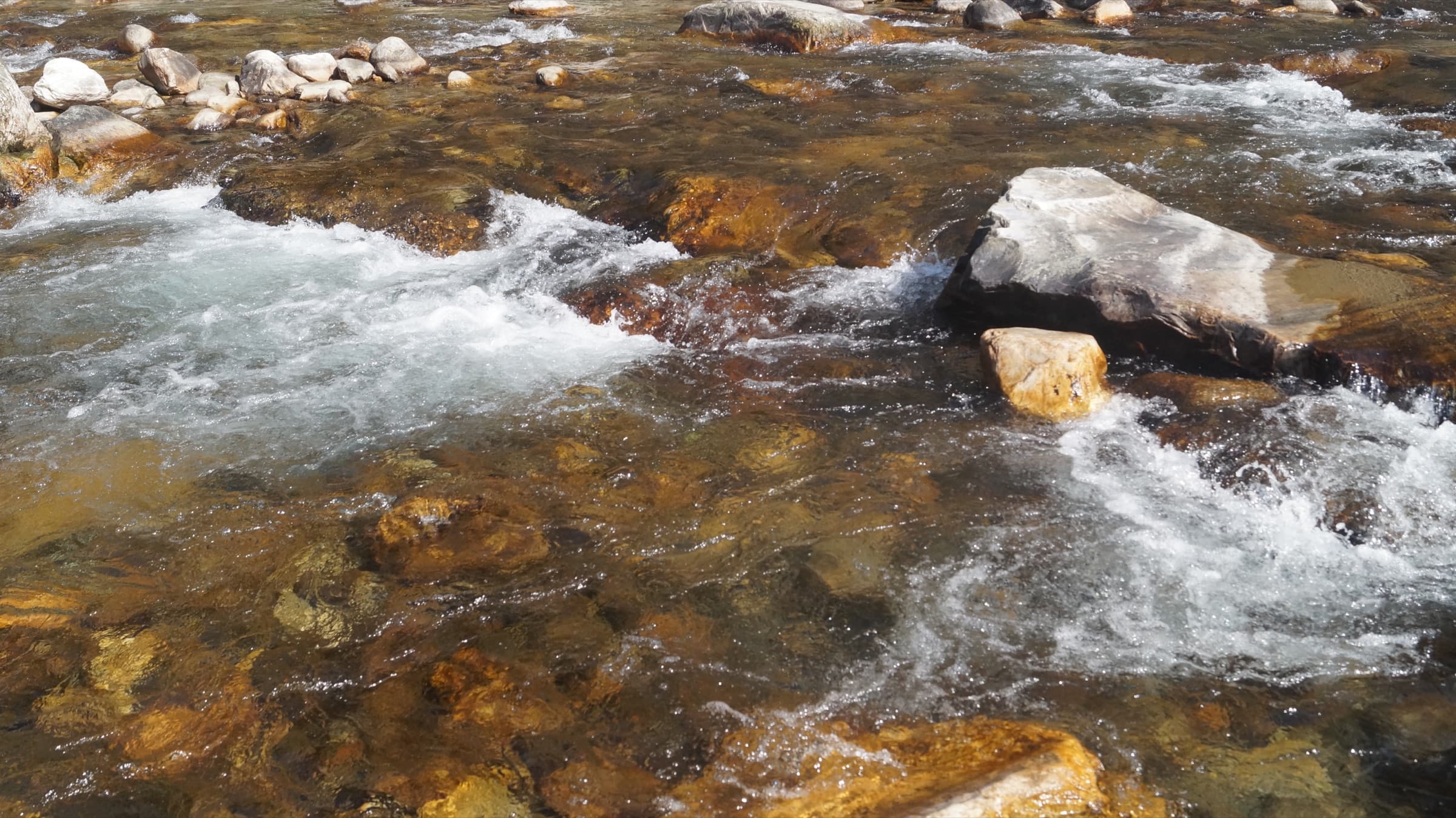
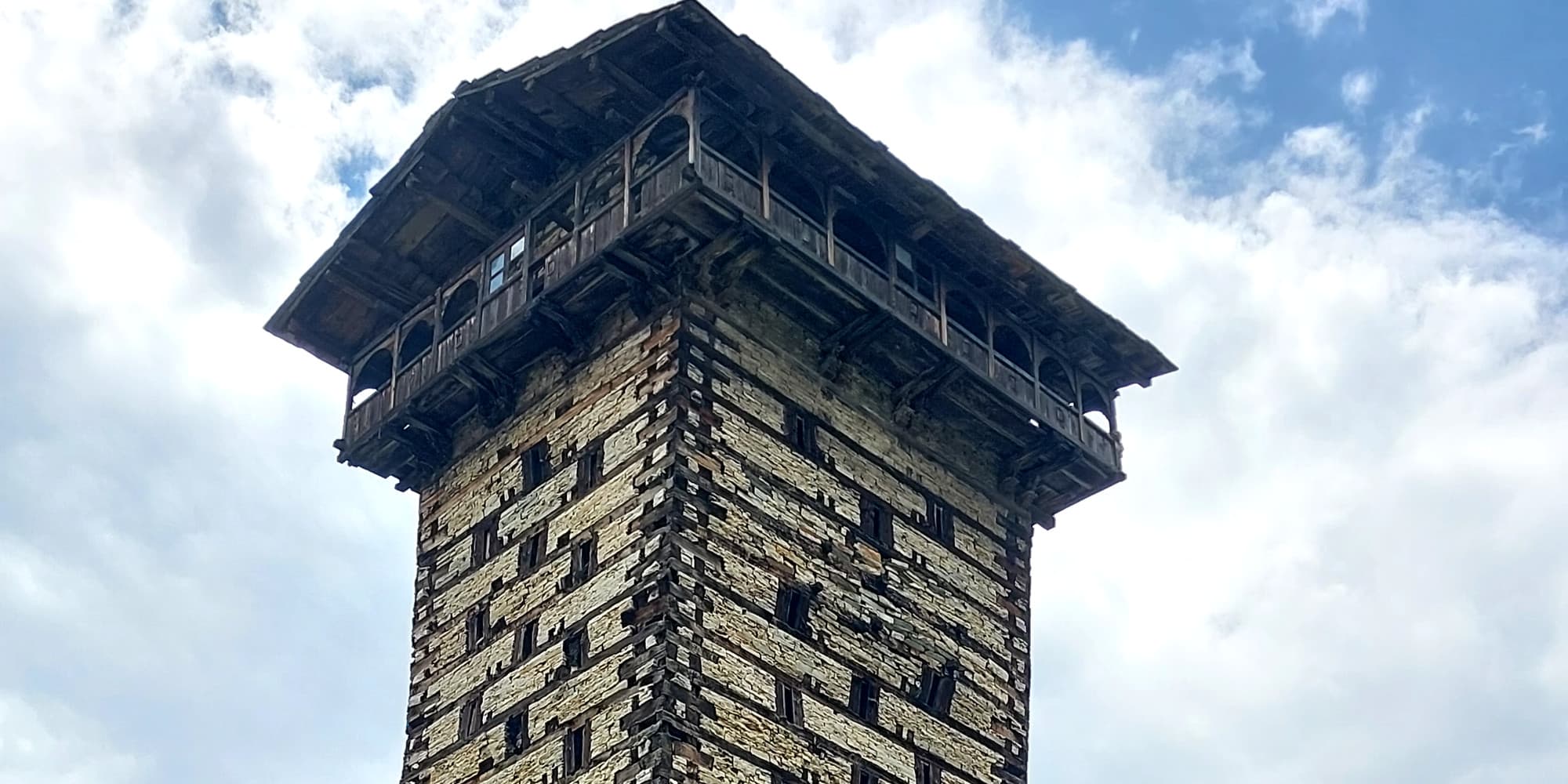
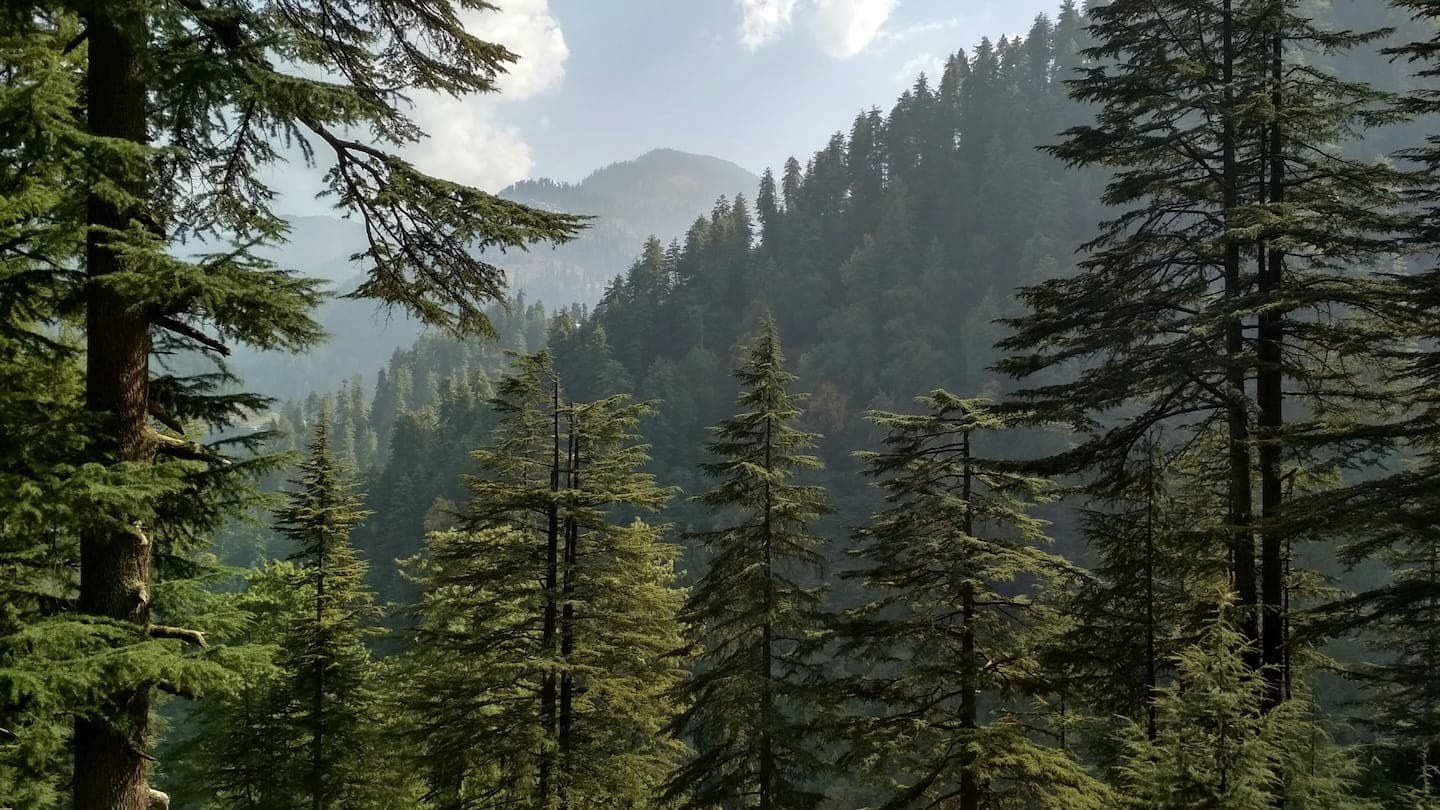
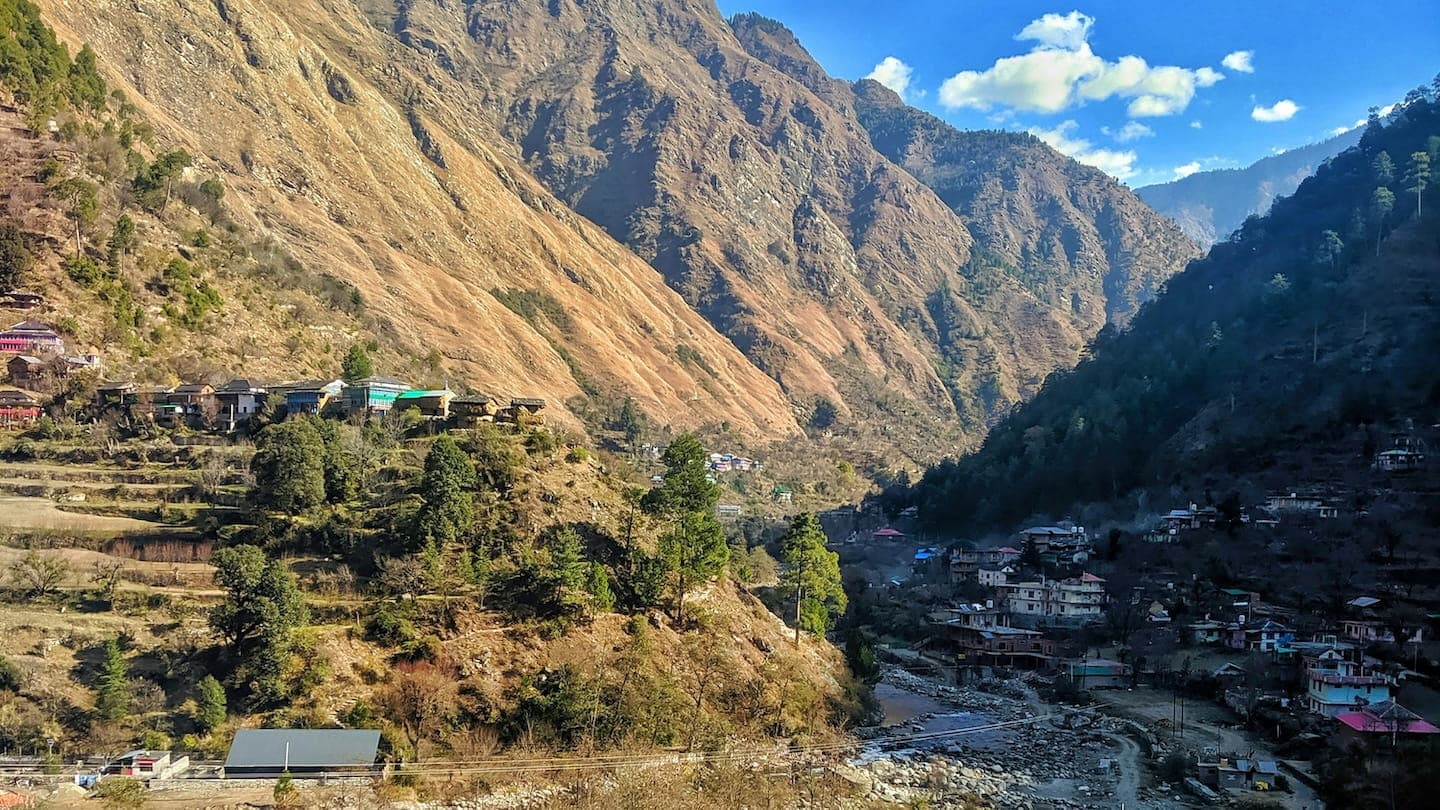
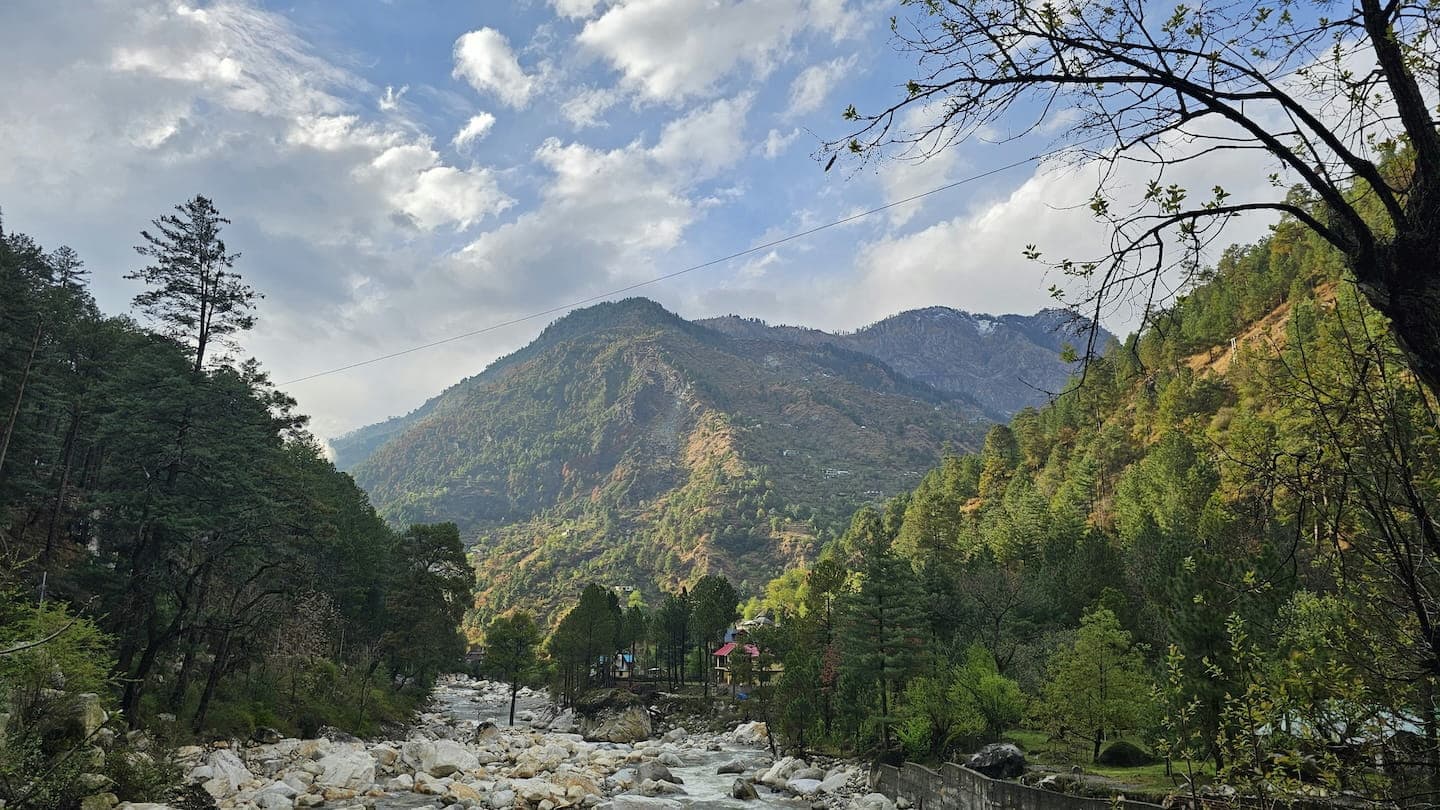
Photograph: Debashritaiitmandi / CC BY-SA 4.0
If you are choosing one place to stay, let the purpose of the trip decide.
Choose Jibhi when Jalori Pass, a compact village base, and the freedom to step out for a meal matter most. Choose the Gushaini or Shai Ropa side of Tirthan Valley when you would rather stay close to the river or plan your time around the Great Himalayan National Park.
Jibhi and Gushaini are only about 18 km apart by road, so a short trip does not usually need two hotels. One well-chosen base can give you time on both sides without making the holiday feel rushed.
For a broader introduction, read the Jibhi destination guide and the Tirthan Valley destination guide.
How Jibhi and Tirthan fit together
Jibhi and Tirthan Valley are often presented as two separate destinations, although they belong to the same wider corner of the Banjar region.
Jibhi is a specific village in the Banjar region of Kullu district. Tirthan Valley is a larger river valley with several possible bases. When travellers say they are staying in Tirthan, they may mean Gushaini, Nagini, Shai Ropa, or another settlement along the river.
When this guide mentions the Tirthan side, it uses Gushaini to keep the distances clear. Gushaini is a recognised place to stay, while Tirthan Valley itself covers several villages along the river.
The road from Jibhi first descends towards Banjar, about 7.5 km away. From Banjar, Gushaini is another 10.5 km along the Tirthan side. Altogether, the journey is about 18 km.
That may sound close, but mountain journeys rarely follow the clock perfectly. Traffic through Banjar, rain, road repairs, and the exact location of your accommodation can all add time. Before booking, open the property map pin rather than relying only on a name that includes “Jibhi” or “Tirthan Valley”.
Choose Jibhi when Jalori Pass matters most
Jibhi is the more practical base for a trip centred on Jalori Pass and the walks that begin around it.
Jalori Pass is about 13 km by road from Jibhi village. From Gushaini, it is closer to 30 km because the journey comes back through Banjar, passes Jibhi, and then begins the climb towards the pass.
Road access near Jalori can change with snow, rain, repairs, and local conditions. Treat the distance as a planning reference, not confirmation that the road is open. Ask your host or a local transport operator before leaving, and allow enough daylight for the return.
Jibhi also suits a traveller who wants a more concentrated base. The village has stays, shops, and places to eat within a relatively small area. That does not make every Jibhi property walkable. Check the exact map pin, the slope from the road, and the distance from the village centre before booking.
Jibhi is usually the simpler choice when:
- Jalori Pass is your main day trip
- You have only two or three nights
- You want to leave your stay for meals or a short village walk
- You prefer one base and a half-day visit to the Tirthan side
The tradeoff is that a stay in Jibhi does not place you beside the Tirthan River or close to the main GHNP side of the valley.
Choose the Tirthan side for the river and GHNP
Use Gushaini, Nagini, or Shai Ropa as your base when the river is the point of the stay or when you want to plan time around the Great Himalayan National Park.
Shai Ropa has a GHNP range office. The park’s official guidance says permits for the core zone can be obtained there, and activities inside the park are conducted on foot rather than by motor safari. Permit rules and fees can change, so confirm them with the official GHNP office before planning a trek.
The Tirthan side is likely to suit you when:
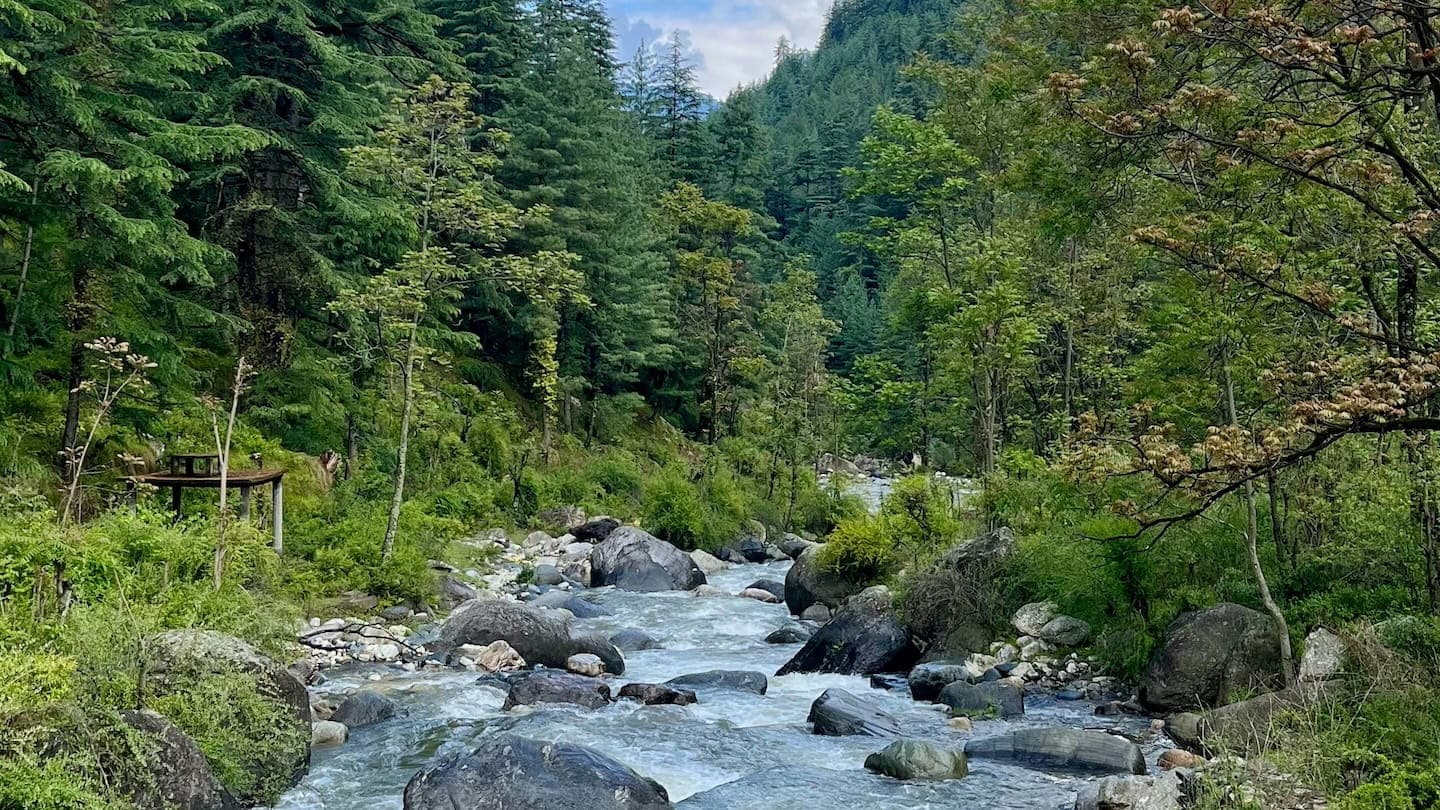
- You want to stay close to the Tirthan River
- A visit or trek connected to GHNP is central to the trip
- You are comfortable eating most meals at your stay
- You prefer unhurried days close to your stay and do not need Jalori Pass nearby
Before choosing a riverside property, ask how many steps lead from the road, whether the final approach is comfortable for everyone in your group, and how close guests are allowed to get to the water. Photographs do not always show the full approach.
Himachal Tourism warns that mountain river currents can be strong and deceptive. A calm-looking edge is not an invitation to enter the water. Keep children supervised and follow instructions from the property and local authorities.
Think about the stay itself
It is common to see Jibhi described as a couples destination and Tirthan as a family destination. In practice, the right choice depends far more on the property and the needs of the people travelling with you.
A family with a toddler may value level access, parking, and meals at the property. Another family may prefer being near shops and independent restaurants. A couple may want a quiet riverside stay, while another may want to walk between cafes.
Before confirming a stay, ask:
- Can the vehicle reach the property entrance?
- How many steps or how much uphill walking are required?
- Are meals available at the stay?
- Is there a safe open area for children?
- How far is the nearest market or pharmacy?
- Does the property have power backup and the connectivity you need?
A thoughtful property choice can matter more than the destination label.
One base or two?
For two or three nights, settle into one base. Changing accommodation will take time without adding much to the trip.
Stay in Jibhi if Jalori Pass is the priority. Visit the Gushaini side during the trip if road conditions and daylight allow.
Stay near Gushaini or Shai Ropa if the river and GHNP are the priority. Visit Jibhi as a shorter outing, and treat Jalori Pass as a separate day rather than a quick add-on.
For four or five nights, splitting the stay can make sense when both sides contain an important early start. Two nights near Gushaini followed by two or three nights in Jibhi avoids repeating the Banjar transfer and gives each part of the trip a different purpose.
Do not split the stay simply to say you covered both destinations. If one side matches most of your plans, use it as the base and travel lighter.
Which side suits your trip?
Choose Jibhi if your first priority is:
- Jalori Pass
- Staying close to cafes and village life
- More flexibility to step out for food
- A short first visit to the region
Choose Gushaini or Shai Ropa in Tirthan Valley if your first priority is:
- The Tirthan River
- Time connected to the Great Himalayan National Park
- A stay where the property itself is part of the experience
- Slower days centred around your stay
Choose one base and visit the other if you have up to three nights. Consider splitting the stay when you have at least four nights and a clear reason to be close to both GHNP and Jalori Pass.
For arrival planning, use the separate guides to reach Jibhi and reach Tirthan Valley. Confirm current road and transport conditions close to your travel date.
Before you travel
Treat the distances in this guide as a helpful planning guide rather than a promise. Weather, traffic, repairs, and the location of your stay can change the time required. A quick confirmation with your host close to the travel date can make the arrival much smoother.
Photograph by Debashritaiitmandi, sourced from Wikimedia Commons, and licensed under CC BY-SA 4.0. The photograph was resized by 2050 XP.