The Himalayan Bulbul's Crest and White Cheeks
By 2050 XP · · 3 min read
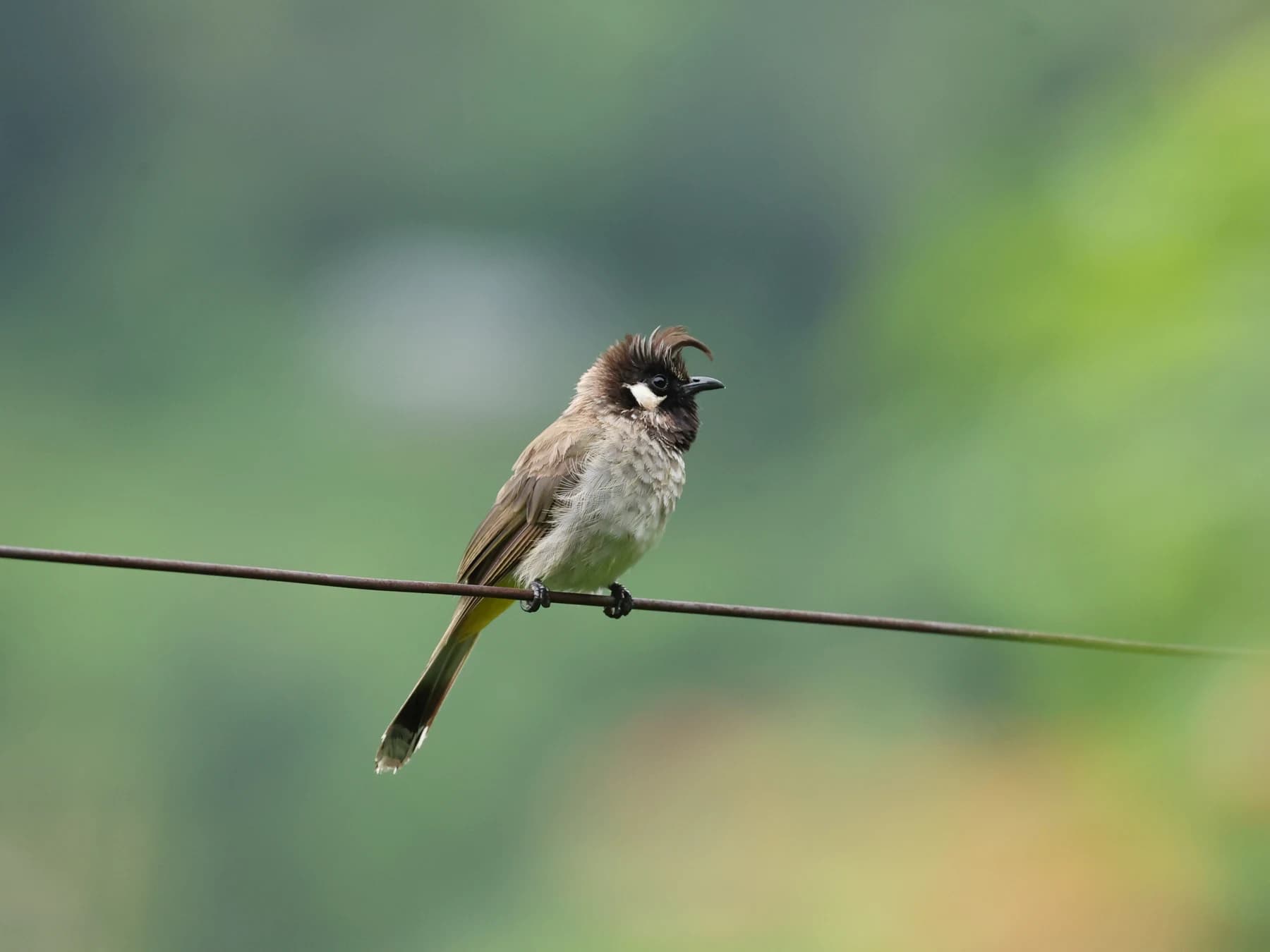
Photograph: Gannu03, Himachal Pradesh, 2024 / CC BY-SA 4.0; cropped
A curved brown crest, white cheeks and a yellow patch beneath the tail are the features to look for on a Himalayan bulbul. The crest is the tuft of feathers rising from its head. Against the bird's dark face and throat, the white cheek patches are particularly noticeable.
A bird may give you only a side view before it moves into a shrub. Start with the head, where the shape of the crest and the placement of the white patch are often visible together. Save the under-tail colour for when it turns.
The crest and cheeks are easiest to see in profile
Look for the tall tuft curving forwards above the bill, with brown feathers continuing down the back of the head. The face and throat are dark, while a white patch sits on each cheek. A side view helps separate that patch from the paler feathers lower down the body.
The back is brown and the belly is whitish. These quieter colours matter too: the bird is not black all over. In shade, however, colour can be difficult to judge. Give it time to turn rather than moving closer for a better angle.
The photograph above shows the combination on a bird photographed in Himachal Pradesh: the crest curves over the forehead, the white cheek stands beside the dark face, and the long tail extends below the wire.
The yellow patch sits beneath the base of the tail
Bird guides call this area the vent. On a Himalayan bulbul, the bright yellow feathers are underneath the body where the tail begins. They are separate from the long tail feathers, whose ends have white markings.
You may see the yellow clearly when the bird is perched sideways, but miss it when looking down from above. Not seeing it in one photograph does not mean it is absent. Nor does yellow alone settle the identification: look back at the crest and cheeks as well.
Use the head and tail to narrow down similar birds
If the face was all you saw, compare the crest and the patch on the cheek before looking at body colour. A white-eared bulbul can also show a large white patch and yellow beneath the tail. Look for the Himalayan bulbul's taller, curved crest. When the crown is hidden, a white cheek on its own leaves the two hard to separate.
A red-vented bulbul has brown feathers with pale edges that give its body a scaly pattern. It lacks the bold white cheek, and the patch below the tail is red. If the bird looks mainly slate-grey or blackish and you can see a red bill, compare it with a black bulbul. The red on that bird is in a different place.
Use the next clear look to test the first clue. A dark silhouette might show the crest, but it can hide both a red bill and the yellow feathers beneath the tail. A side view in better light can settle a comparison that a more distant front view cannot.
Watch from the path during your Himachal visit
The Himalayan bulbul occurs around Manali, and gardens and scrub are among the habitats it uses. You need not restrict your attention to dense forest. A bird pausing on a shrub or wire may give you a clearer view of its head and tail than one moving through foliage. A particular garden or park is never a guaranteed sighting.
Stay on the path, respect private gardens and use binoculars or your camera's zoom. Leave recorded bird calls off, keep away from nests and let the bird choose its perch. A photograph is useful when it records the cheek, crest and under-tail area without disturbing the bird.
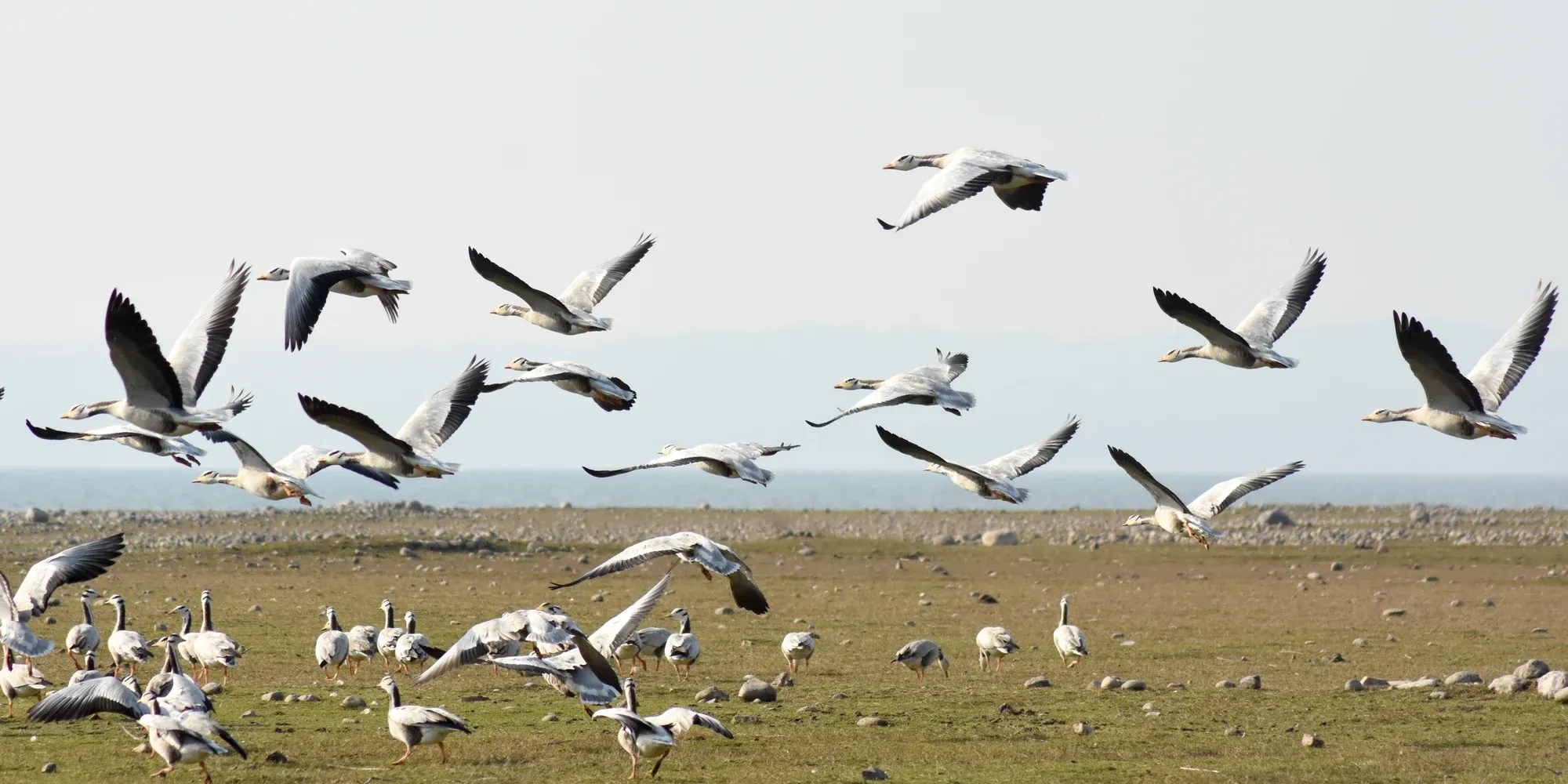
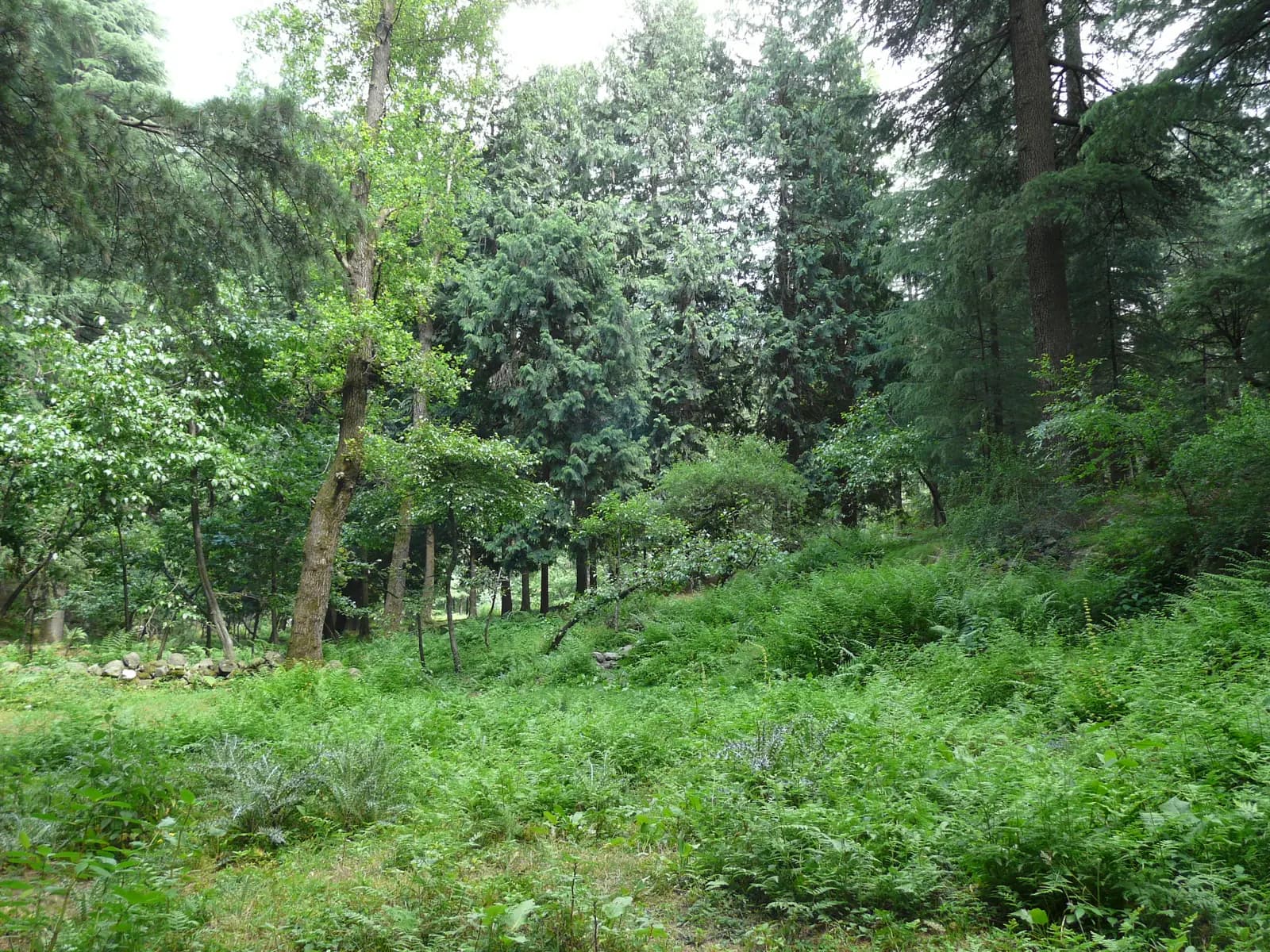
For another detail to notice during a woodland walk, look for deodar's needle tufts and upright cones. The winter flocks at Pong Dam Lake offer a different kind of observation, where the way a bird feeds can help you identify it.
Frequently asked questions
Is yellow under the tail enough to identify the Himalayan bulbul?
No. The white-eared bulbul can also have yellow there. Look for the Himalayan bulbul's prominent crest and the white cheek beside the dark face and throat.
Photograph: Himalayan bulbul in Himachal Pradesh, by Gannu03, photographed on 29 August 2024 (CC BY-SA 4.0). Cropped, resized and converted to WebP for 2050 XP; this adaptation retains the same licence. The exact town is not identified.