How to Recognise Deodar Trees in Himachal
By 2050 XP · · 3 min read
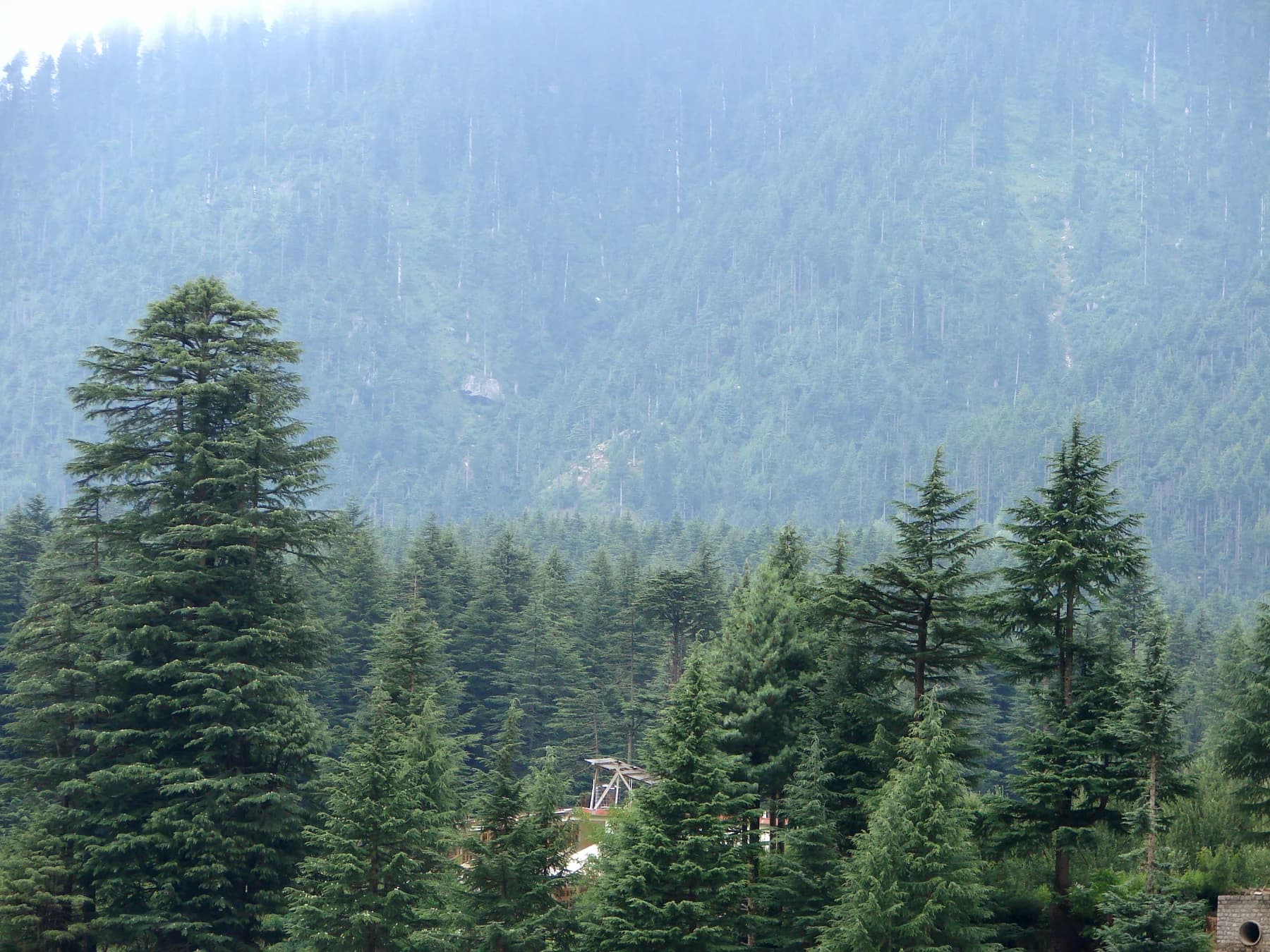
Photograph: Shahnawaz Siddiui / Wikimedia Commons / CC BY 2.0
Deodar is a Himalayan cedar, not a pine. Its botanical name is Cedrus deodara. During a woodland walk in Himachal, look for dense tufts of needles along the twigs, young branch tips that often droop, and large seed cones standing upright when they are visible.
A distant canopy photograph may not show enough detail to identify the species. Start with an attached twig you can see without pulling a branch down, then compare its needles with the tree's overall shape.
Look at how the needles join the twig
On a deodar, many needles radiate from short, woody side shoots along the branch. From close by, they look like little tufts attached at intervals. Younger, longer shoots can also carry needles individually, so do not expect every part of the branch to look identical.
Pine needles commonly grow in much smaller bundles, often of two, three or five. Look at the point where the needles attach, rather than trying to identify the tree from the loose needles underfoot. The small bundle on a pine and the dense tuft on a deodar are easier to compare than their overall colour.
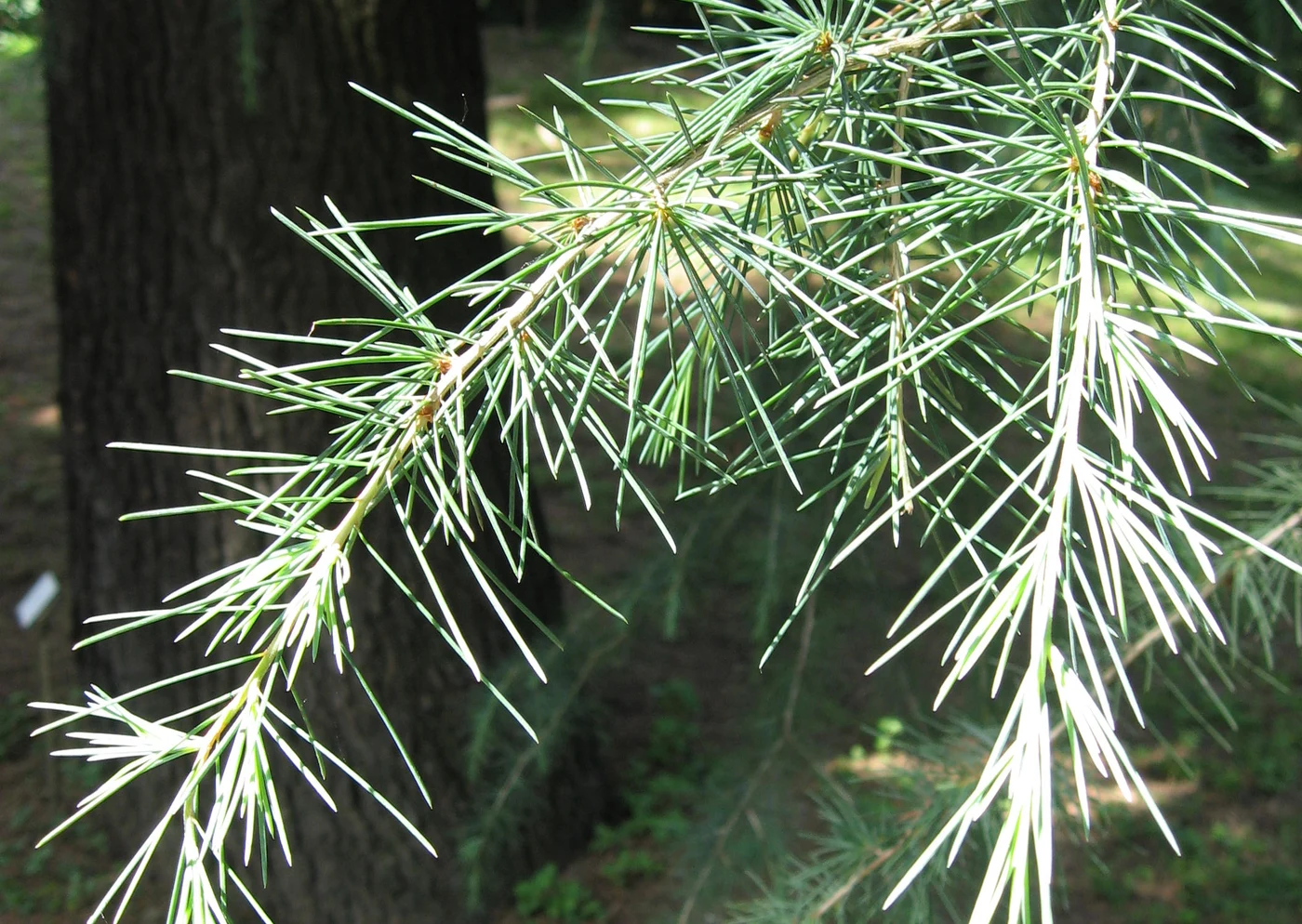
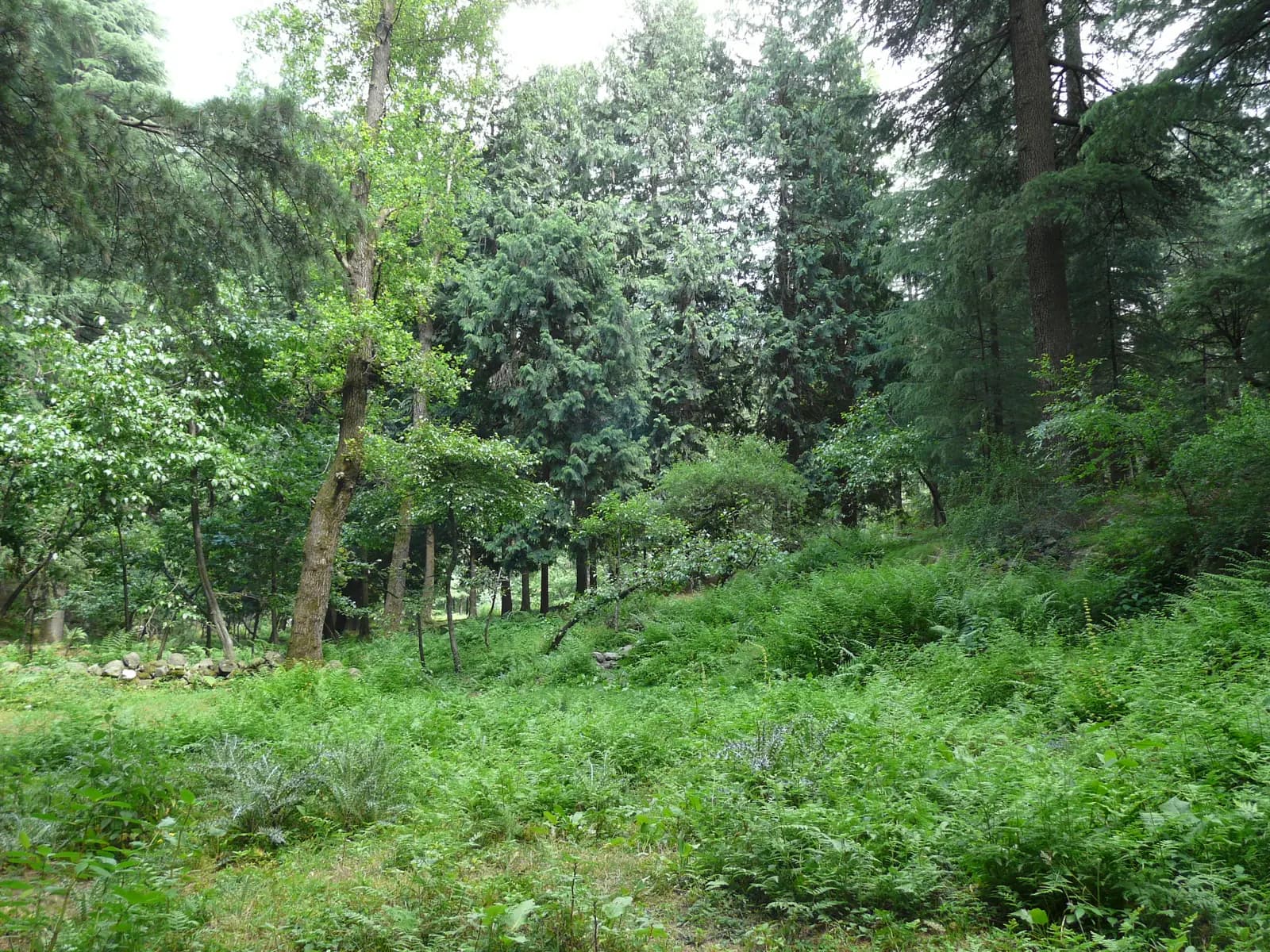
The close-up shows the needle tufts on a deodar growing at the Giardino dei Semplici botanical garden in Florence, Italy. It illustrates the leaf arrangement; the landscape photograph at the top of this article was taken in Manali.
Drooping tips and the shape of an older tree
Step back and look at the ends of the branches. Deodars often have downward-curving young tips, including a drooping tip at the top of a younger tree. The longer branches can spread out in layers.
A young deodar may have a fairly pointed outline, while an older tree can develop a broader, flatter crown. That change is one reason two deodars need not look alike from a distance. Branch shape is a useful supporting clue, not a reliable identification on its own. Other cedars have clustered needles too.
Look for seed cones on the tree
The larger, barrel-shaped seed cones sit upright rather than hanging down. When ripe, they break apart on the tree to release their scales and seeds. You may therefore never find an intact seed cone beneath the tree you are looking at.
Deodars also produce smaller pollen cones, which can fall to the ground. A slim fallen cone does not automatically mean you have found a different species. Equally, finding a cone beneath a mixed canopy does not tell you which tree it came from. Compare the needles on an attached twig before giving the tree a name. If the larger seed cones are out of sight, use the other clues without climbing or pulling down a branch.
Noticing deodars during a Manali visit
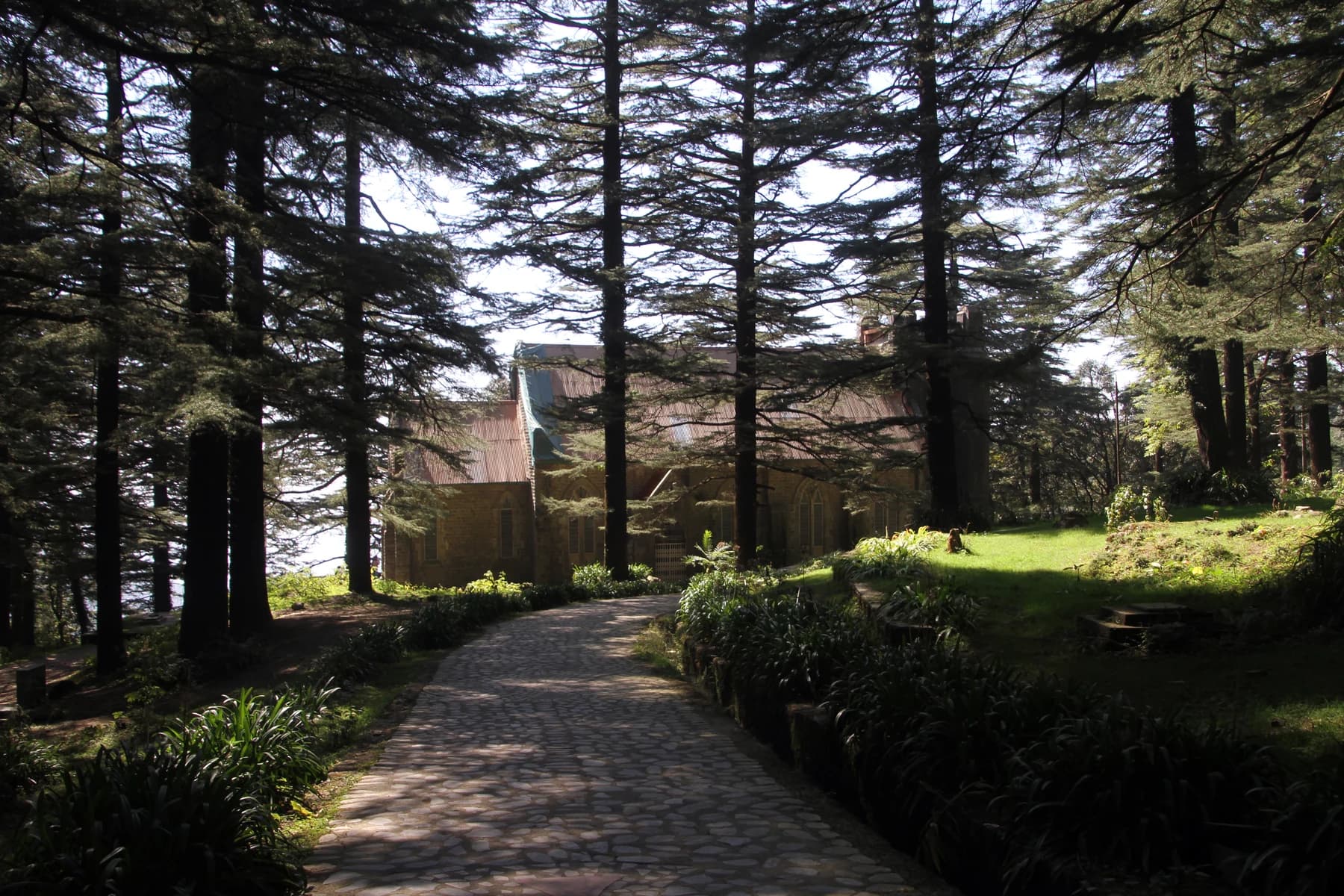
Woodland around Manali includes deodar alongside other trees. For a town-centre woodland stop, read about Van Vihar beside Mall Road. You can practise looking for needle tufts and branch tips during the park visit without arranging a separate forest excursion.
Leave needles, cones and bark where they are. If you are unsure of a tree's identity, take one photograph of its overall shape and another of an accessible twig, without breaking it. Those two views give a knowledgeable guide more to work with than a distant canopy photograph alone.
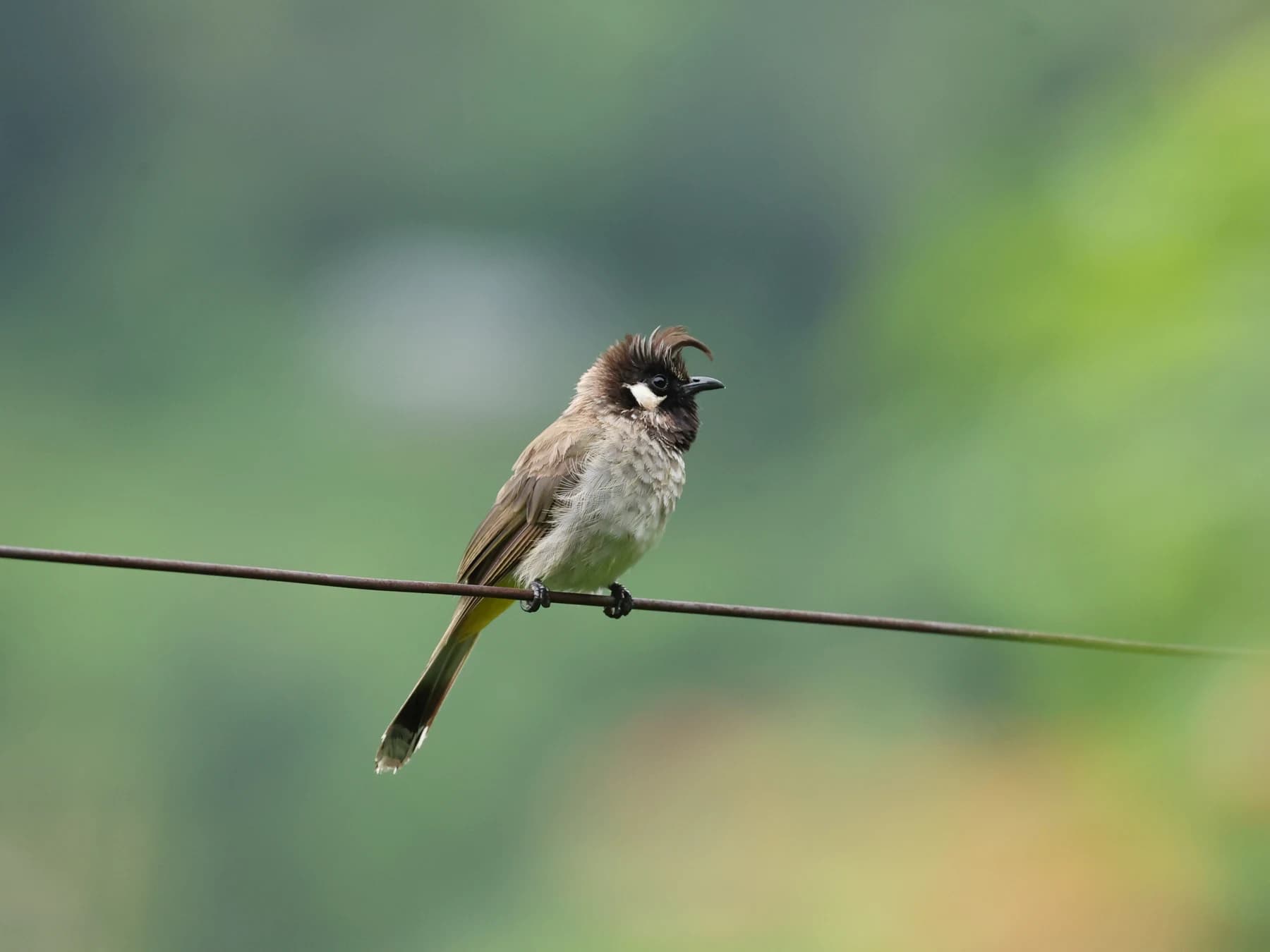
If a crested bird catches your attention during the walk, our Himalayan bulbul identification article explains the white cheeks and yellow patch beneath its tail, with comparisons to two other bulbuls.
If the timber in Himachal's older buildings also interests you, our introduction to Kath Kuni architecture explains the wooden beams and rows of stone. A beam's appearance alone cannot identify its wood, but the timber bands and corners can help you understand how the building was made.
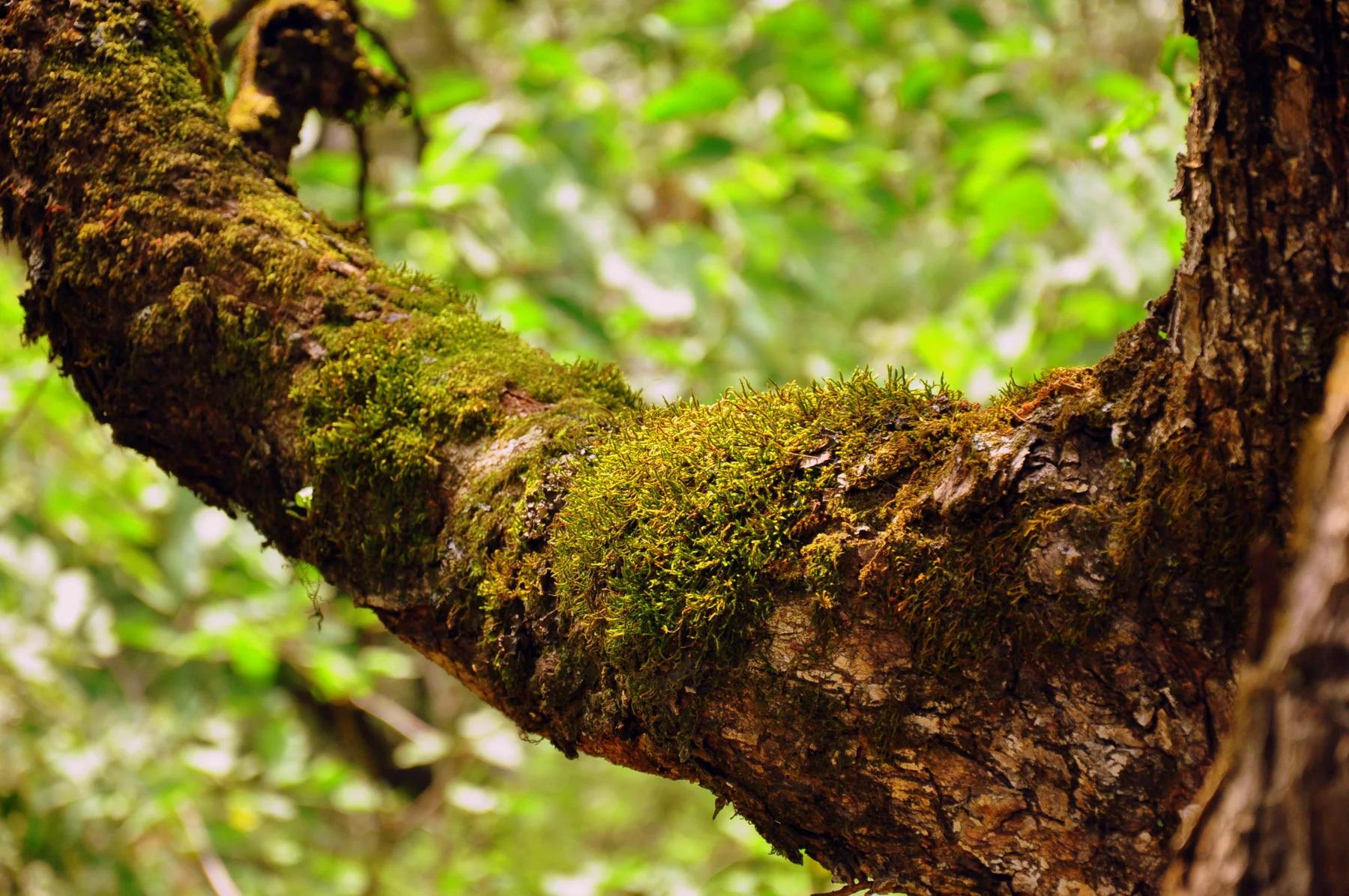
For a wider view of how different trees and undergrowth support wildlife, read about the forests of Great Himalayan National Park. Deodar is one part of a landscape that also includes oaks, firs, shrubs and smaller growth on bark.
Photographs: deodars in Manali, by Shahnawaz Siddiui, photographed on 23 July 2006 (CC BY 2.0); and deodar needles in Florence, by Liné1, photographed on 17 June 2007 (CC BY-SA 3.0). The Manali source had previously been slightly brightened. Resized and converted to WebP for 2050 XP; the needle photograph was also cropped, and its adaptation retains the ShareAlike licence.