Kangra Art Museum and Its Miniature Paintings
By 2050 XP · · 4 min read
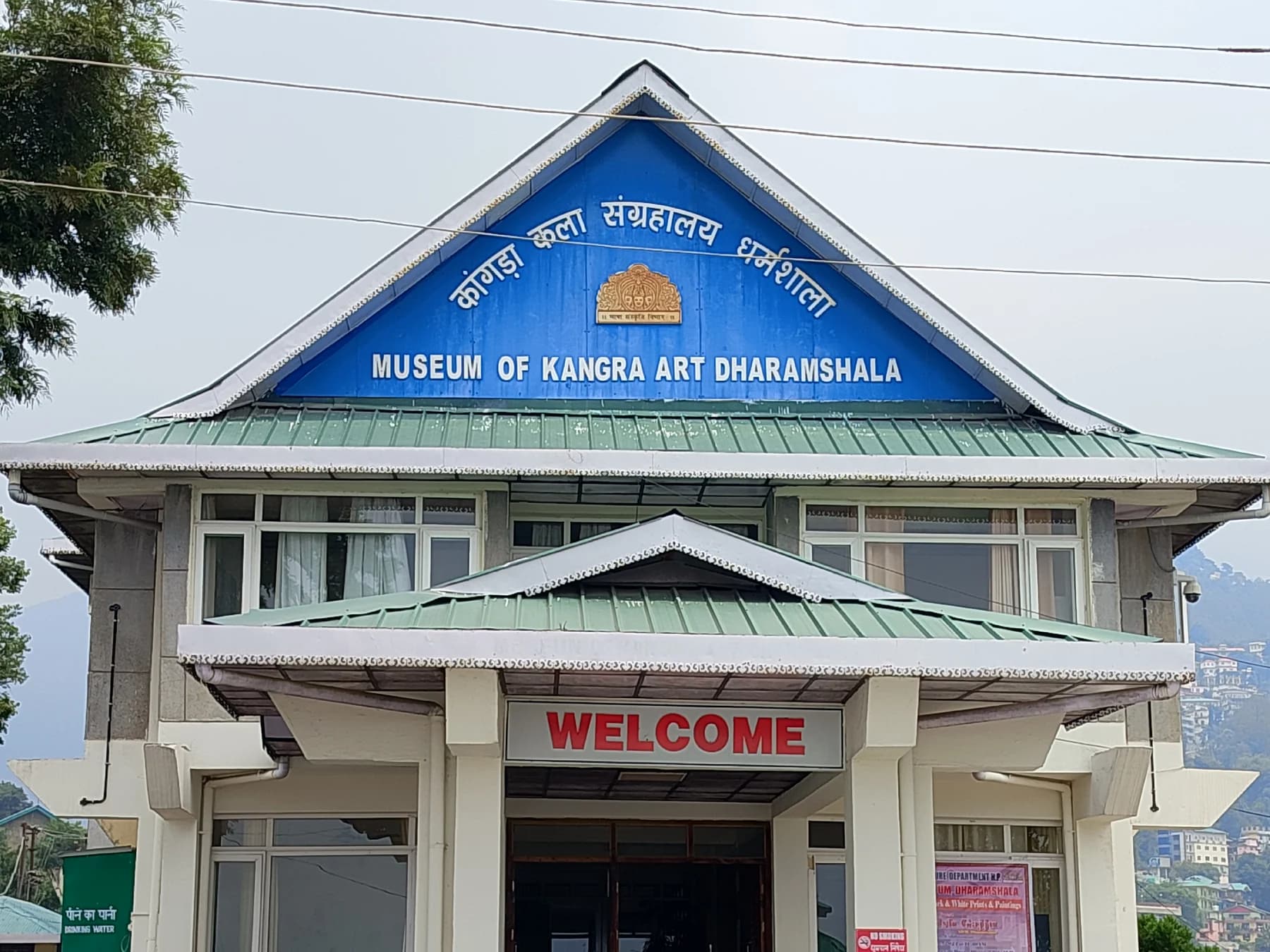
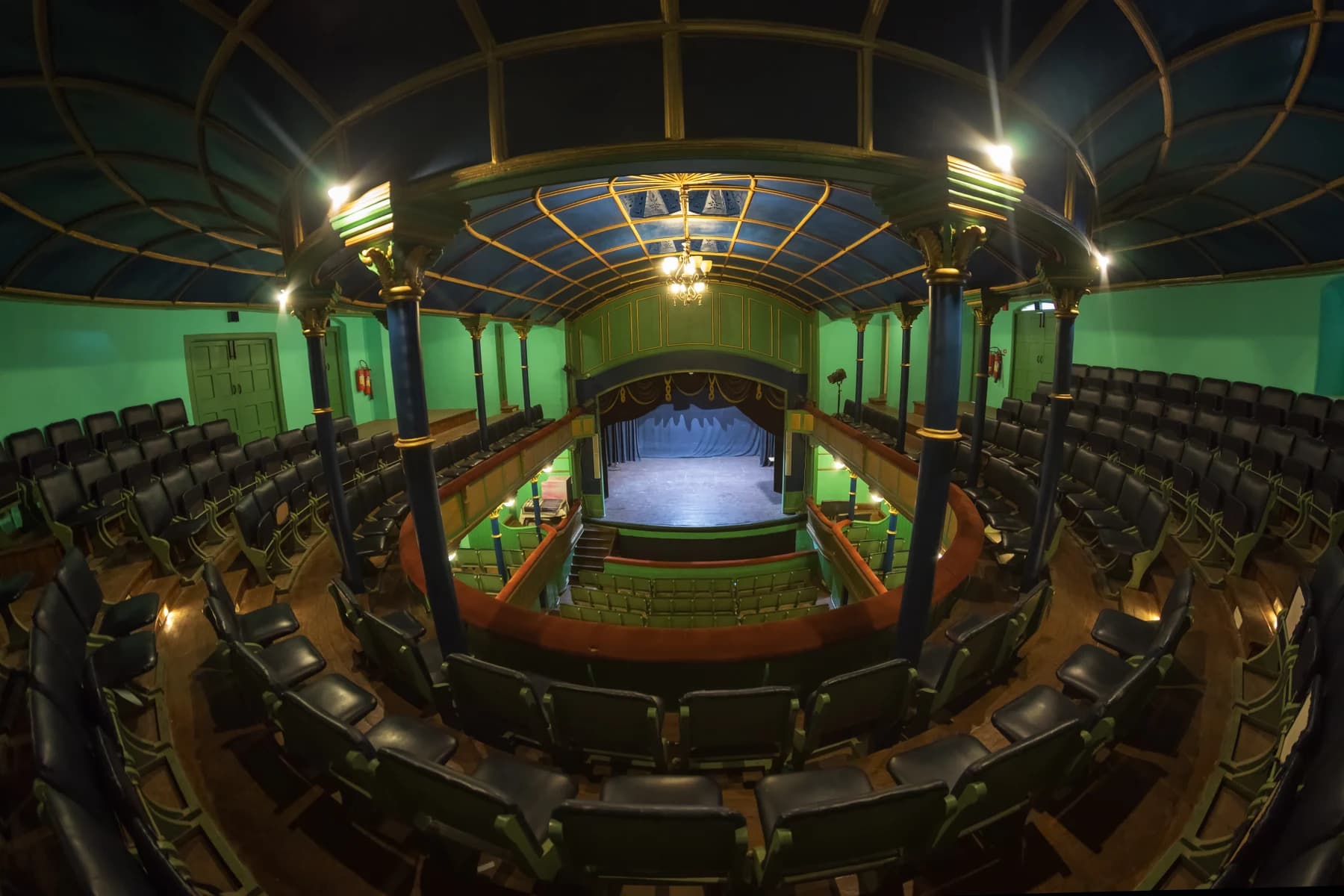
Photograph: Brahmavadini / Wikimedia Commons / CC BY-SA 4.0
Kangra Art Museum is in Kotwali Bazaar in lower Dharamshala. Start with the miniature paintings, then choose the jewellery, textiles or archaeological collection according to what interests you.
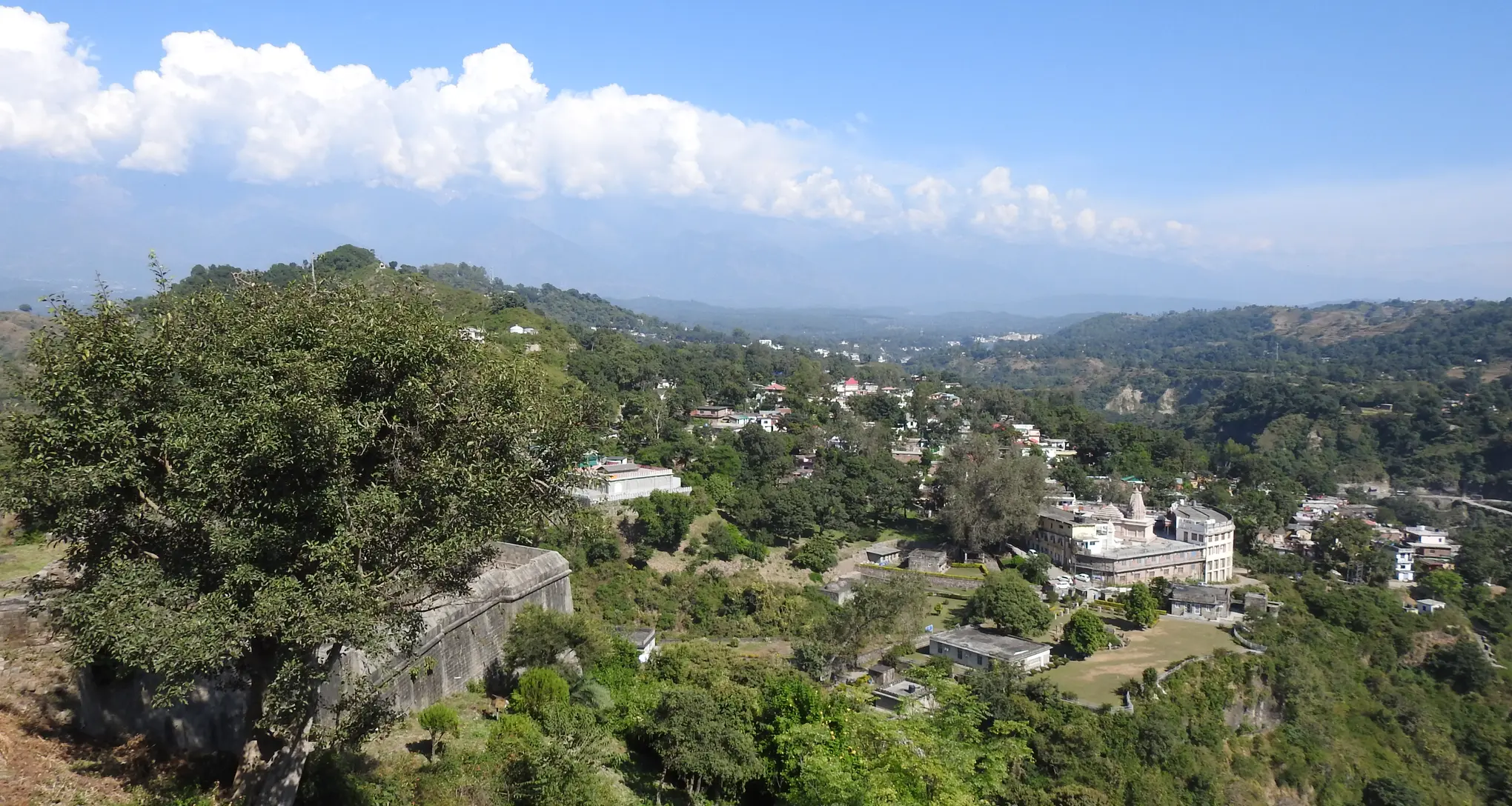
The Maharaja Sansar Chand Museum is beside the fort. If you are heading for Kangra's bazaar and the rebuilt Shri Bajreshwari Devi Temple, you are going to a different town from Dharamshala.
Looking closely at the miniature paintings
Miniatures are small, finely detailed paintings. You do not need an art-history background to enjoy them, but it helps to choose a few works and spend time with each, rather than move straight past every frame.
A label gives you the subject, date and regional painting style, often called a school. Kangra belongs to the wider Pahari tradition of the Himalayan hills and developed in close association with Guler. Reading the label first helps you place a picture before exploring its details.
Scenes of Radha and Krishna, drawn from devotional and literary stories, are central to the Kangra tradition. Once you know the subject, look at the figures' gestures and their arrangement within the scene. The label is more useful than trying to identify every figure from clothing alone.
Fine outlines are a feature of the style. Compare the way two artists draw a face, the edge of a garment or a decorative border. Then step back and see how much room each artist gives the setting around the figures.
Two paintings in online collections show what that can change. In Krishna Lifting Mount Govardhan at the Cleveland Museum of Art, find Krishna's raised little finger. Follow it up to the mountain, then look down at how closely the people and cattle gather under it. The mountain almost becomes a roof across the picture. Above it, Indra rides a white elephant through the storm.
In Rama, Lakshmana, and Hanuman Rest in the Forest at the Michael C. Carlos Museum, the figures occupy a small part of the picture. Give the trees a moment of their own. The forest has the space and stillness that the crowd under the mountain lacks. Neither painting is at the Dharamshala museum, but you can ask the same question of the ones you see there. What would the story lose if you took away the landscape?
Choose a second gallery after the miniatures
If you enjoy looking at clothes and ornaments, go to the jewellery or textile collection next. The jewellery includes work from different communities, among them Gaddis from Bharmour and Pangwals from Pangi. Use the labels to see where a piece comes from before comparing its design with another. Those details are easy to miss when everything is described simply as Himachali jewellery.
If you would rather see work in clay or stone, choose the archaeological collection for its terracotta and sculpture.
If you are interested in how painted scenes appear in other crafts, see how Chamba rumal embroidery uses silk stitches to form pictures on both sides of a cloth.
Before visiting Kangra Art Museum
Check the museum's visiting arrangements before leaving your stay. If you hope to watch an artist at work, confirm that separately rather than assume a demonstration comes with admission. Follow the gallery signs, keep your hands away from exhibits and ask before taking photographs.
Coming from McLeod Ganj? The guide to where to stay in Dharamshala explains how to fit the lower-town museum into a stay centred on the upper town.
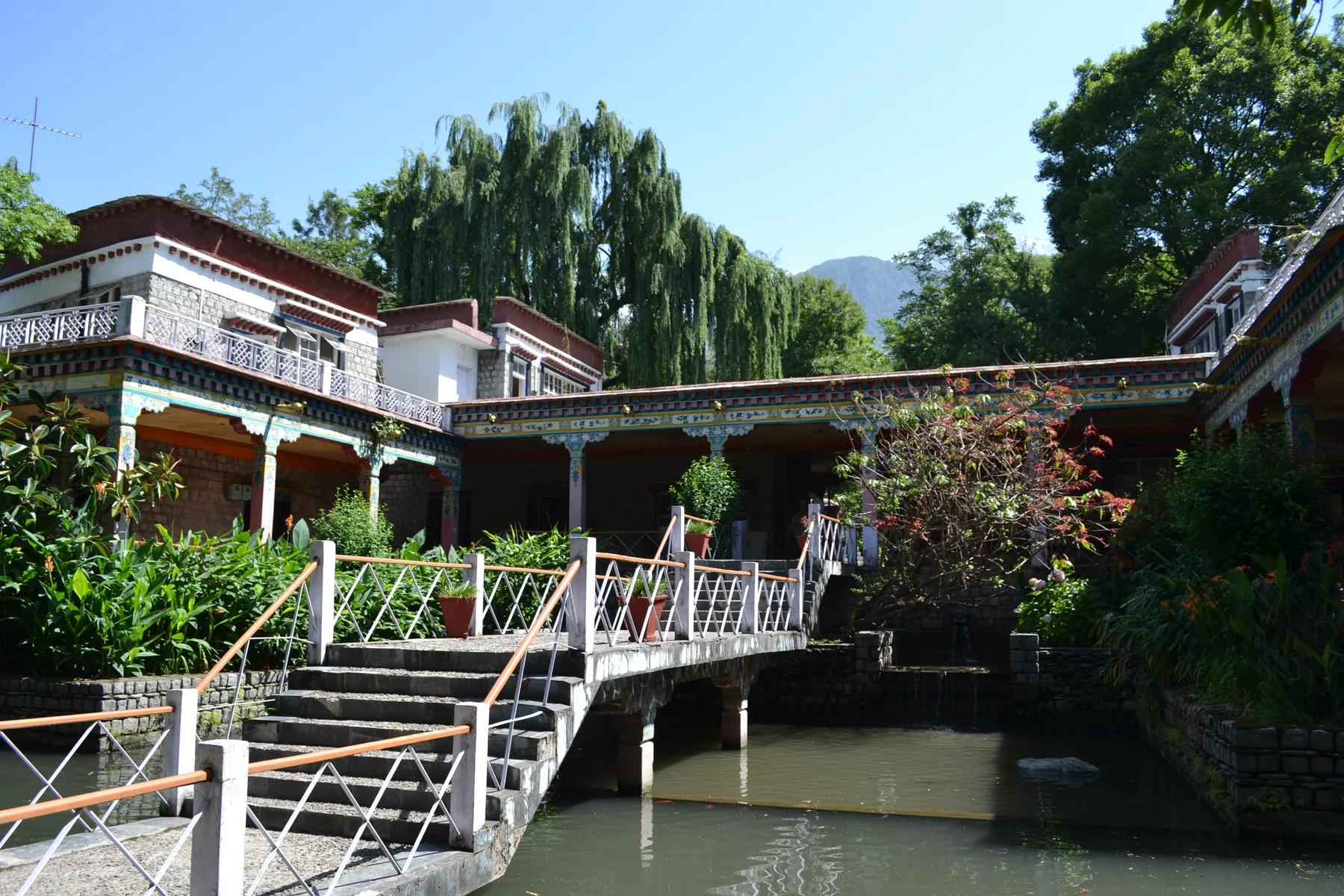
For Tibetan craft studios rather than a collection gallery, Norbulingka Institute in Sidhpur has traditions of thangka painting, silk appliqué, woodcarving and statue-making. Check its visitor arrangements separately from the museum's.
Frequently asked questions
Is Kangra Art Museum next to Kangra Fort?
No. Kangra Art Museum is in Kotwali Bazaar in lower Dharamshala. Maharaja Sansar Chand Museum is the one beside the fort in Old Kangra.
What can I see besides miniature paintings?
The museum collects jewellery and textiles from the region, as well as sculpture and terracotta. Choose a second gallery according to which kind of work you want to see.
Photograph: Museum of Kangra Art in Dharamshala, taken by Brahmavadini on 26 June 2024. Original photograph, cropped, resized and converted to WebP for 2050 XP. The photograph and this adaptation are available under CC BY-SA 4.0.