Tibetan Craft at Norbulingka Institute
By 2050 XP · · 4 min read
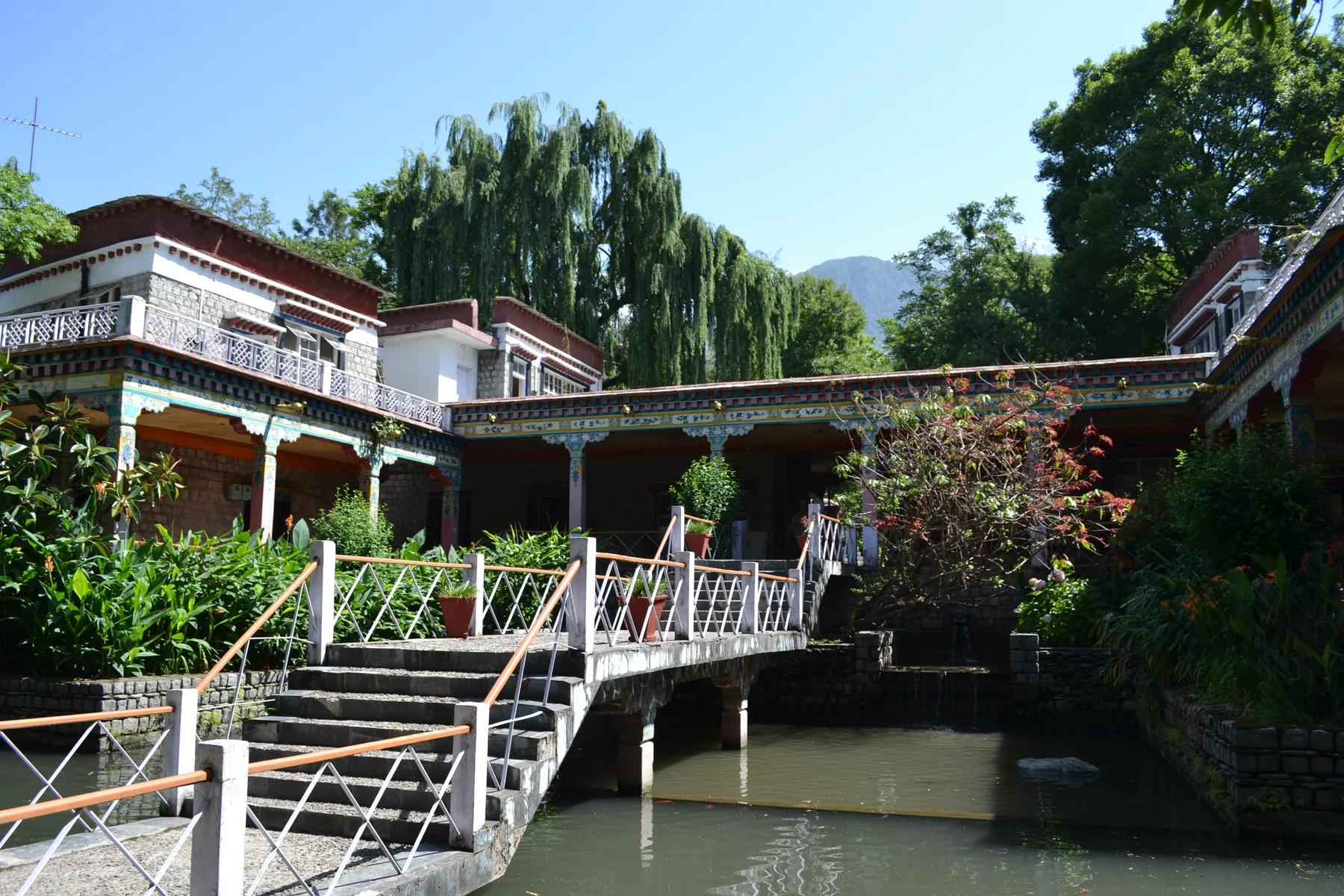
Photograph: Japleenpasricha / CC BY-SA 4.0
At Norbulingka Institute in Sidhpur, Tibetan painting, silk appliqué, woodcarving and statue-making are part of an ongoing craft-training tradition. The Deden Tsuklagkhang Temple brings several of these arts together in its murals, gilded Buddha statue and silk work.
This is a useful stop during a Dharamshala stay if you want to understand how the artwork is made. The Losel Doll Museum adds a different subject: clothing from Tibetan regions and traditions, carefully reproduced in miniature.
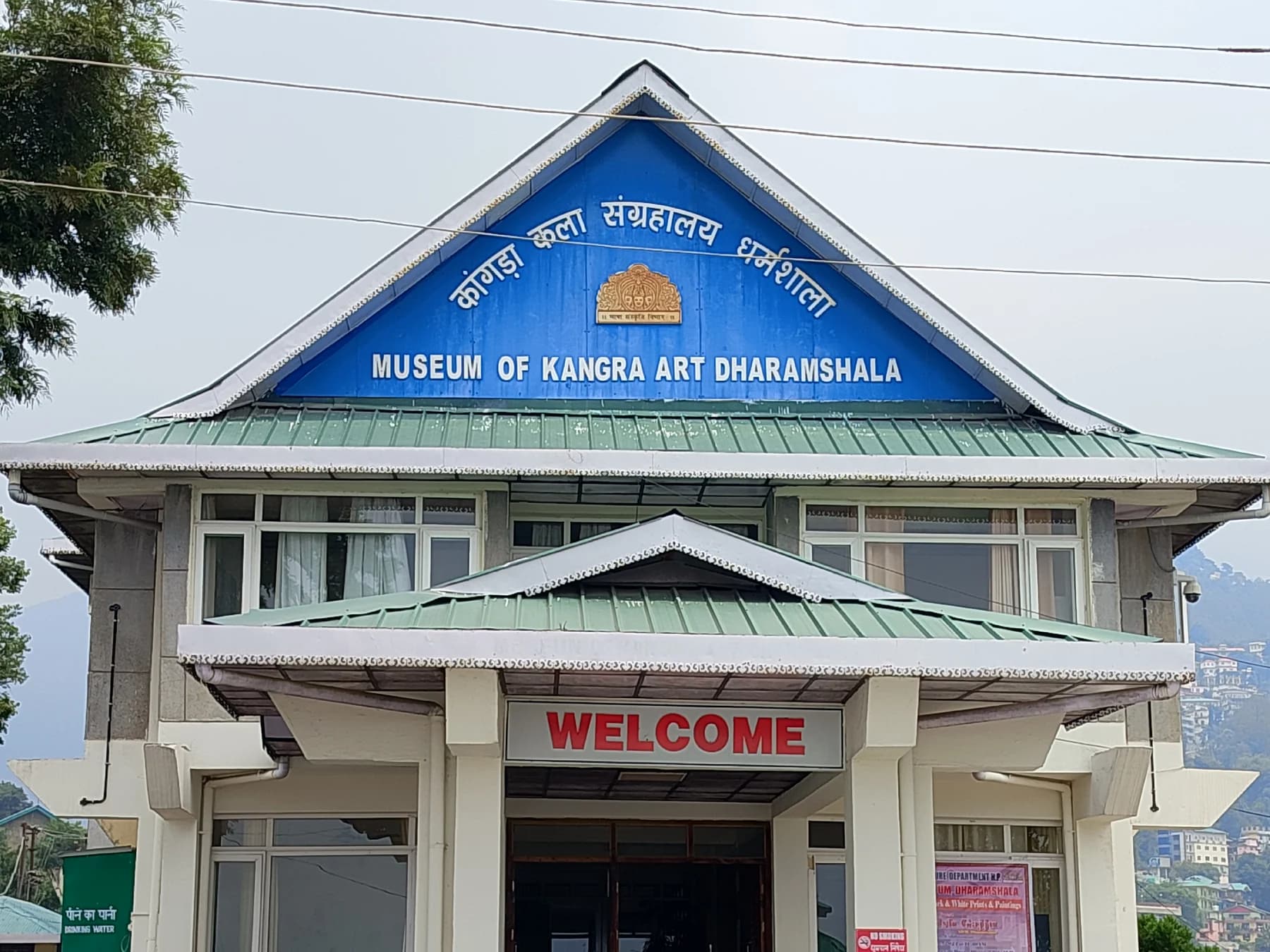
Use the institute's Sidhpur, Dharamshala address when arranging your journey. Norbulingka is not the Dalai Lama Temple complex in McLeod Ganj, and it is separate from Kangra Art Museum in Kotwali Bazaar.
Painted thangkas and sewn silk
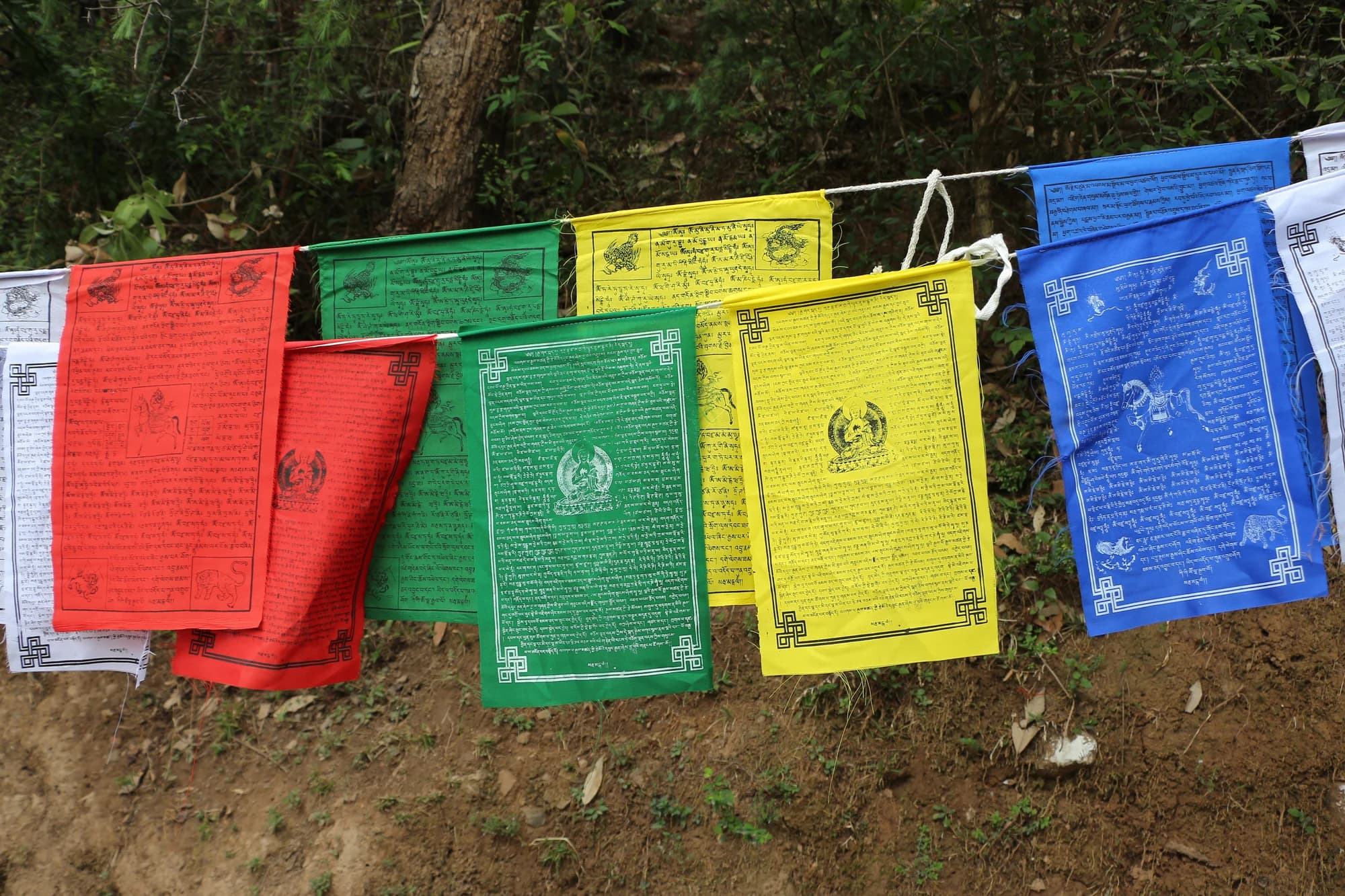
A thangka is a Tibetan Buddhist religious image. Paintings often place a principal figure at the centre, surrounded by related figures or scenes. The arrangement has religious meaning, so it is better to ask about the subject than to guess who each figure represents.
Norbulingka also makes thangkas using silk rather than paint. This technique is called appliqué: separately worked pieces of fabric are assembled and sewn onto a base to form the image. The outlines and layers that appear painted from a distance can therefore be made from thread and cloth.
The outline of a silk piece has its own construction. Horsehair wrapped in silk thread forms a fine cord around the shapes. The individually worked pieces are then assembled and sewn onto a base. A line that looks painted can therefore be a cord, while an area of colour is a separate piece of cloth.
Look for the edge of a shape as well as its colour. That is where the difference between a painted image and a sewn one becomes easier to follow. Wait for an invitation before approaching unfinished work, and leave materials and tools untouched.
How a drawing becomes carved wood
Woodcarving begins with a design transferred onto a flat piece of wood. A fret saw cuts openings, and chisels shape the design from the front and back to give it depth.
Flowers, clouds, mountains and Buddhist symbols are among the motifs used in Tibetan carving. Look at the spaces cut between the forms as well as the raised design itself. This helps you see the difference between a pattern painted onto wood and one carved into it.
The institute's woodcarving introduction explains the drawing, tools and training behind the craft. It is helpful reading if this is the studio you are most interested in.
The artwork in Deden Tsuklagkhang Temple
The temple is a place of worship as well as a setting for the institute's craftsmanship. Its copper-gilded Buddha statue was made by Norbulingka's statue-making team, while the thangka painters created the murals.
Paintings on the walls beside the Buddha recount twelve deeds in the life of Buddha Shakyamuni. A large silk-and-brocade appliqué depicting the Sixteen Arhats hangs from the balcony. These details connect the different crafts: worked metal, painted walls and assembled textile each have a place in the prayer hall.
Give worshippers space and follow the signs for visitors. Ask before photographing the interior rather than assume that being able to enter also means every photograph is permitted.
Tibetan dress in the Losel Doll Museum
The Losel Doll Museum in the institute's West Wing holds 160 figures representing Tibetan dress. They include clothing from different regions alongside official, monastic and opera costumes. These are different contexts for clothing, rather than a single outfit repeated with new colours.
Look at the cut of a robe, its sleeves and the headwear, then read the label for the setting it represents. An opera costume serves a different purpose from everyday regional dress. Knowing that purpose makes the figure more meaningful than its size or decorative detail alone.
Monks from Drepung Loseling researched and made the dolls over a project lasting about twenty years. The final dolls were made in 2003. The collection preserves the results of that work; do not expect to find the original doll-making project continuing as a visitor demonstration.
Visiting the gardens and studios
Ponds, streams, trees and stonework form part of the institute's gardens. Leave time to enjoy the grounds as well as the art. If a particular studio is the reason for your journey, confirm that it will be open to visitors on your date; grounds opening and craft activity are different arrangements.
Practical art workshops begin at one day, with longer study also available. If you want to practise a craft yourself, arrange that study in advance and give it the time it needs. A short visit does not include joining an artisan's work.
For a fuller cultural outing, visit the Tibet Museum in the morning and Norbulingka in the afternoon. The museum is at Gangchen Kyishong and needs a separate road journey; a practical craft course is better given its own day.
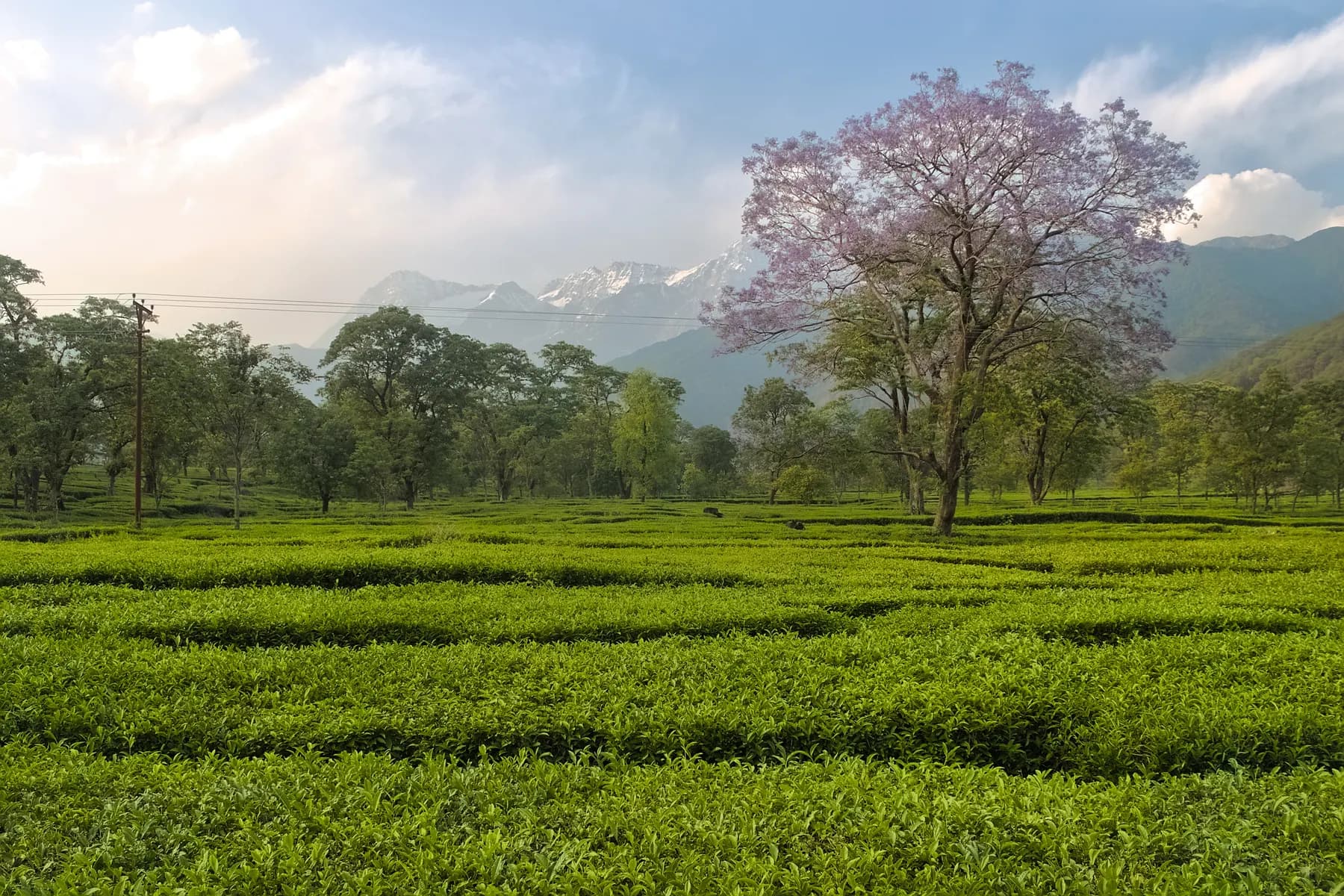
For a collection-based art visit in Dharamshala, Kangra Art Museum has miniature paintings and regional craft objects. If your trip also includes Palampur, you can set aside time for a Kangra tea tasting.
When choosing a Tibetan noodle soup during your stay, understand how thenthuk's hand-pulled pieces fit within the thukpa family. The noodle style and the broth ingredients are separate questions to ask before ordering.
Frequently asked questions
Are all the religious images at Norbulingka painted?
No. Some are painted, while others are assembled from sewn silk pieces. Worked metal, carved wood and textiles also contribute to the finished artwork in the temple. The material and the method matter as well as the subject.
Can I join a craft lesson during a short visit?
Norbulingka's practical workshops start at one day and need their own arrangements. Visiting an open studio or seeing a finished artwork does not include a hands-on lesson.
Photograph: Norbulingka Institute's water garden by Japleenpasricha, taken on 2 June 2014. Resized and converted to WebP for 2050 XP; the header is cropped to fit the screen. The photograph and this adaptation are available under CC BY-SA 4.0.