Tasting Kangra Tea in Palampur
By 2050 XP · · 4 min read
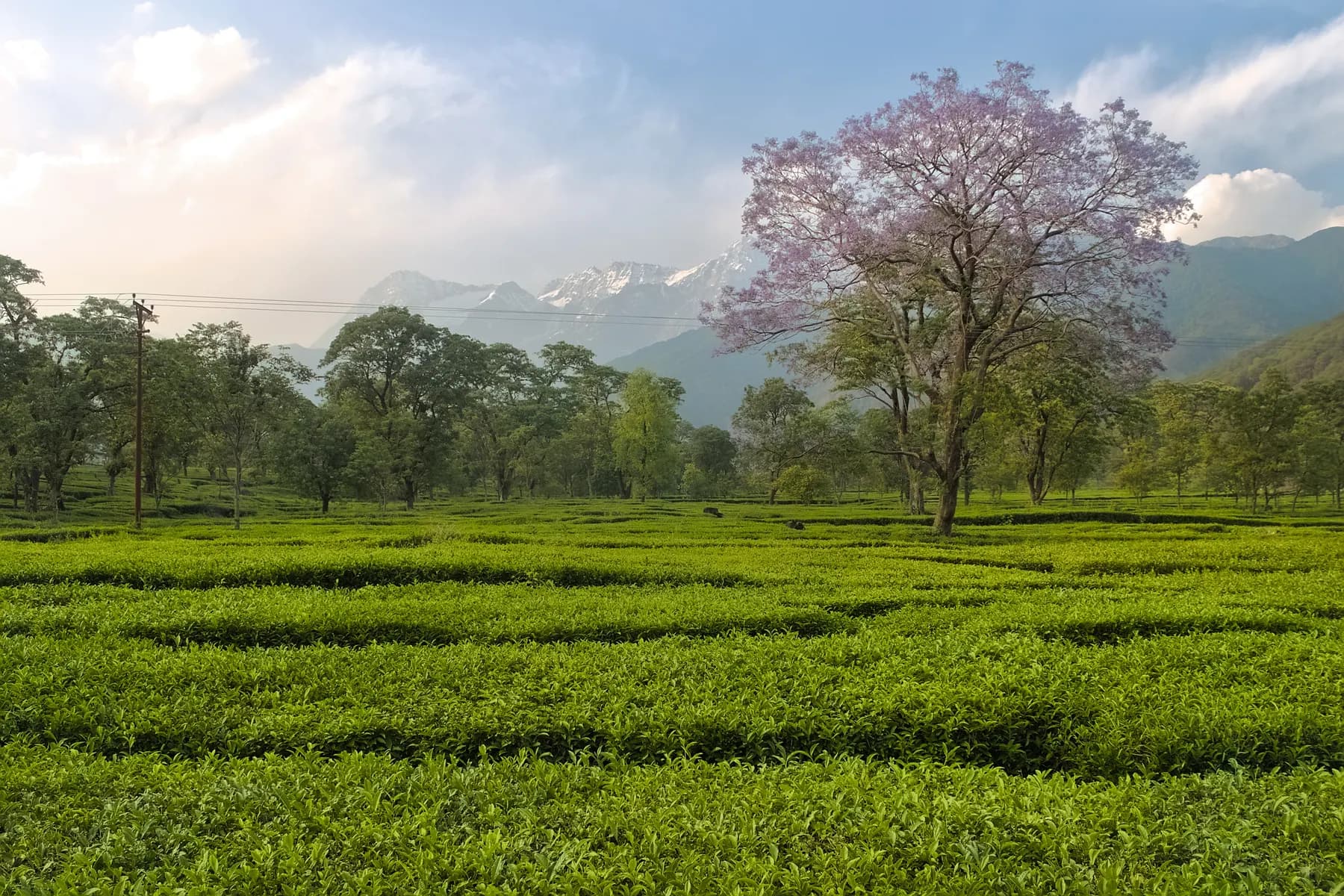
Photograph: UnpetitproleX / Wikimedia Commons / CC BY-SA 4.0
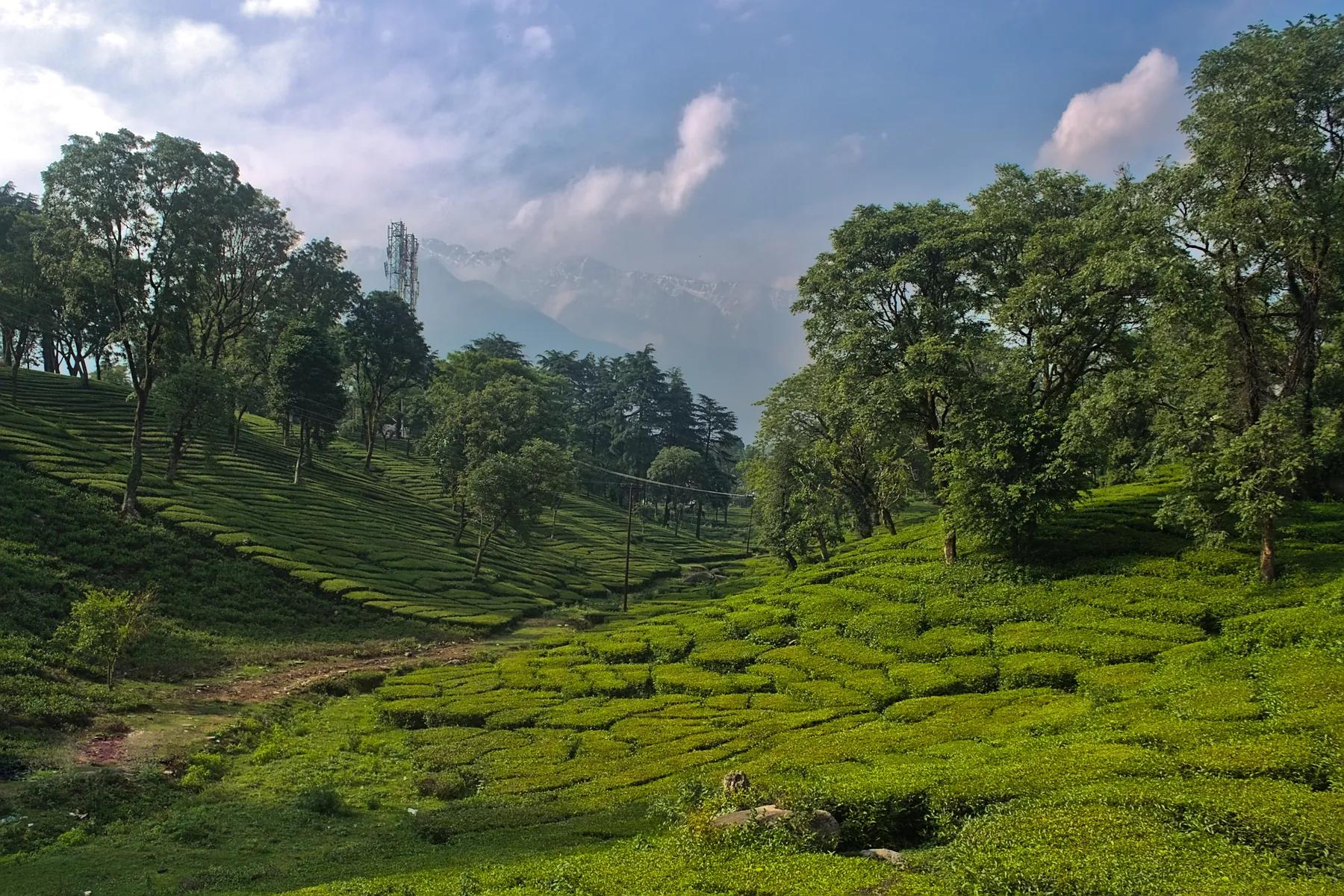
Kangra tea comes in both black and green varieties, and a tasting near Palampur lets you compare them before choosing a packet. The gardens give you the setting beneath the Dhauladhar mountains. A hosted estate visit adds the making: how green leaves become teas with different colours, aromas and flavours.
Choose the outing around that interest. A view of the bushes may be enough if you want time outdoors; a tasting is more rewarding if you want to understand what ends up in your cup.
Choose the garden view or the making of the tea
Wah Tea Estate is one option for a hosted visit, on Panchrukhi Road in the Deogran area near Palampur. Its advertised tour brings together the garden, tea museum, factory and guided tasting. The Wah tea tour details explain the current format; use the estate's own location details to reach the right entrance.
The garden demonstration introduces the selection of young leaves and a bud. What you see depends on the work taking place: winter visits may focus on pruning rather than plucking, and a tour does not mean every machine will be operating. Confirm the session arrangements before travelling and keep the journey separate from time at the estate.
Why black and green tea taste different
The same tea plant can supply leaves for black or green tea. What matters is how those leaves are treated after picking.
For black tea, withering reduces the leaf's moisture and makes it more flexible. Rolling shapes and breaks the leaf, exposing its contents to oxygen. The resulting oxidation changes its colour and aroma before drying stops the process. On a factory tour, the term “fermentation” may be used for this oxidation stage.
Green tea receives heat earlier, limiting that change. At Wah, the producer describes heating its green tea in woks. A factory visit can make these stages easier to understand, even when a particular operation is not running during your session.
Try the teas with that difference in mind. Black Kangra tea is associated with a sweet, lingering aftertaste, while green Kangra tea has a delicate woody aroma. These are starting points for noticing a cup, not flavours that every batch must reproduce exactly.
Compare the cups before choosing a packet
Smell the tea before taking a sip, then notice what remains after swallowing. You do not need a professional vocabulary: deciding which cup you would enjoy drinking again is a useful result in itself.
You may hear first flush mentioned during a tasting. This is the early-season picking, and Kangra's first-flush tea is associated with a fruity character. The term refers to a particular picking, not the whole region's production. It is worth finding out which tea is actually in your cup before looking for the same one on a shelf.
Try the samples plain first if that is how they are offered. Milk, sugar and spices change the drink, so a plain comparison helps you notice the tea itself. Afterwards, choose a style that suits how you want to prepare it at home.
Brewing the tea you take home
Match the packet to the sample you liked, checking whether it is black, green or a flavoured blend. A small packet is a sensible way to get to know an unfamiliar tea without buying more than you will use.
Follow its brewing instructions rather than applying one chai recipe to everything. Wah's brewing advice, for example, says most of its teas should be steeped in hot water rather than boiled. Steeping means leaving the leaves in the water for the stated time, then removing them. The packet's guidance on quantity, temperature and time belongs with that particular tea.
Frequently asked questions
Does a tea-garden visit always include a factory tour or tasting?
No. A garden view, a walk and a hosted estate experience are different arrangements. Choose a session whose stated format includes the making and tasting if those are the reasons for your visit.
Is every Kangra tea a first-flush tea?
No. First flush refers to the early-season picking. Kangra tea is the regional identity; a packet can come from another picking or be a different tea style.
Give the visit its own place in your Palampur day
In working gardens, keep to the paths the estate permits and leave plucking to the demonstration. Ask before taking close photographs of workers.
For another hands-on interest, Andretta Pottery's wheel and slip decoration offer a different craft experience near Palampur. Baijnath Temple, in Baijnath town, suits an interest in stone architecture; Kangra Art Museum is a separate outing in Dharamshala for miniature paintings and regional craft.
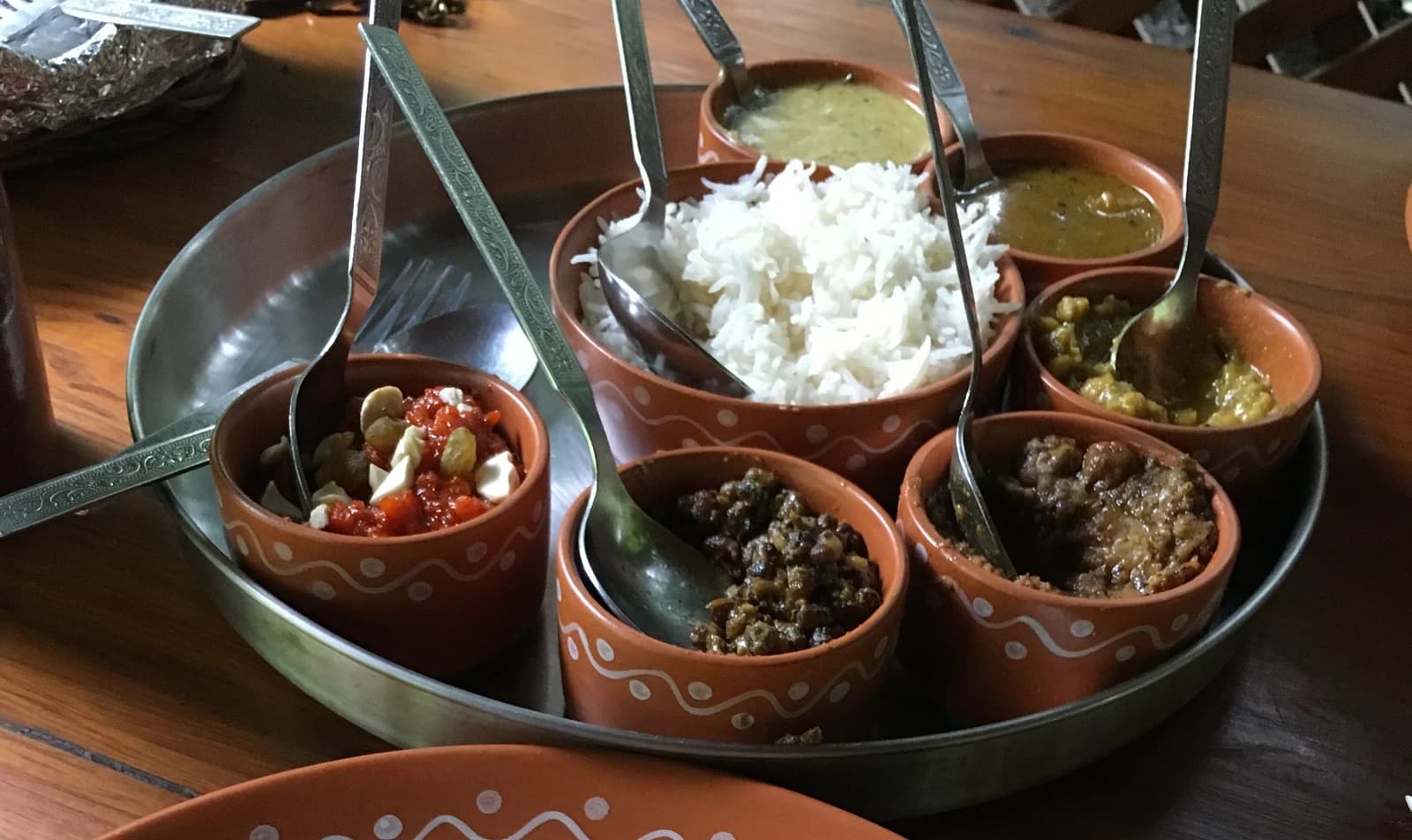
Palampur's town, gardens and nearby outings can help you choose how much to include. If you also want to try Kangri Dham, treat that regional rice-based feast as a separate meal, not something a tea tasting necessarily includes.
Photograph: a tea plantation at Nagri near Palampur, taken by UnpetitproleX on 12 May 2026. It shows the Kangra tea-growing landscape, not Wah Tea Estate. Original photograph, resized and converted to WebP for 2050 XP. The photograph and this adaptation are available under CC BY-SA 4.0.